Texas floodwaters can increase health risks that could last for months: Experts
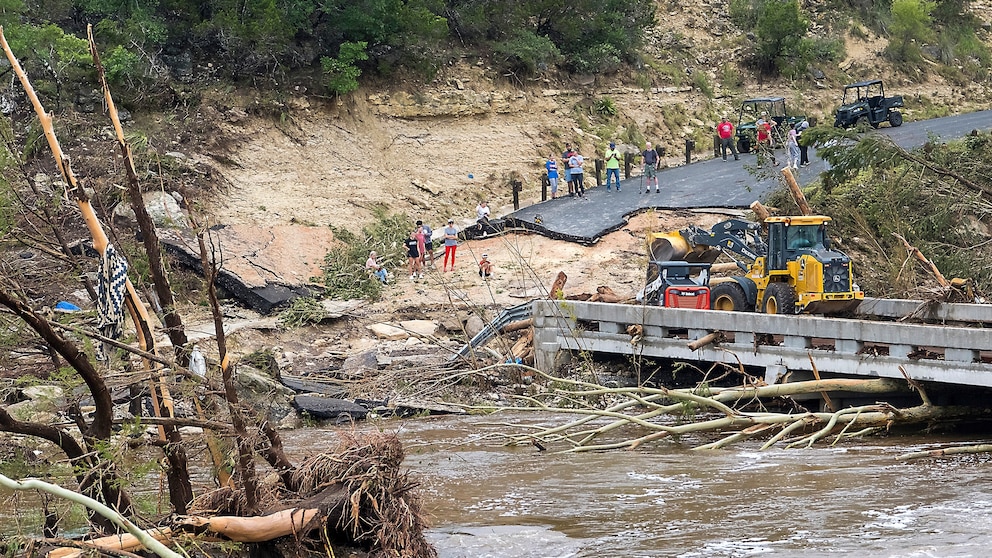
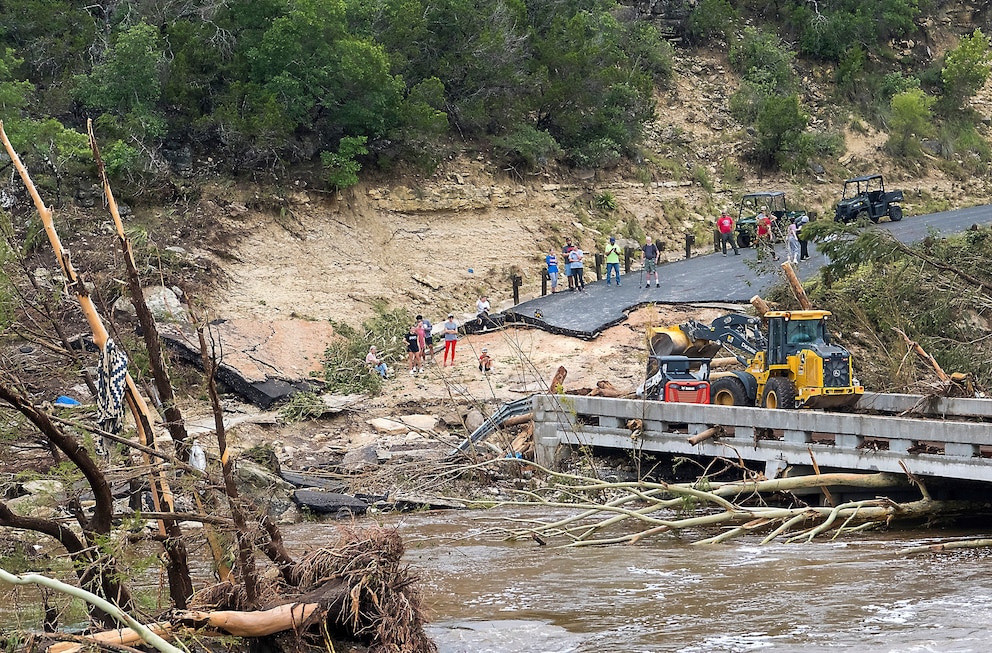
Central Texas is continuing to recover from one of the deadliest floods in the state's history, which killed more than 120 people, many of whom were children.
While there is an economic toll from floods due to the damage it causes to property, commerce and transportation, there is a risk to public health as well.
Although rainwater is not harmful, flooding increases the risk of injury, illness and death. Heavy rainfall can cause waterways to overflow and overwhelm sewer and septic systems, environmental health experts told ABC News.
Floodwaters can be contaminated with debris, as well as high levels of bacteria, chemicals, waste and other pollutants, which can cause prolonged health risks, the experts said.
Floodwaters can be "filled with lots of different pathogens that can get in from having lots of backed-up sewage, septic tanks that overflow," Natalie Exum, an assistant professor in the department of environmental health and engineering at the Johns Hopkins Bloomberg School of Public Health, told ABC News.
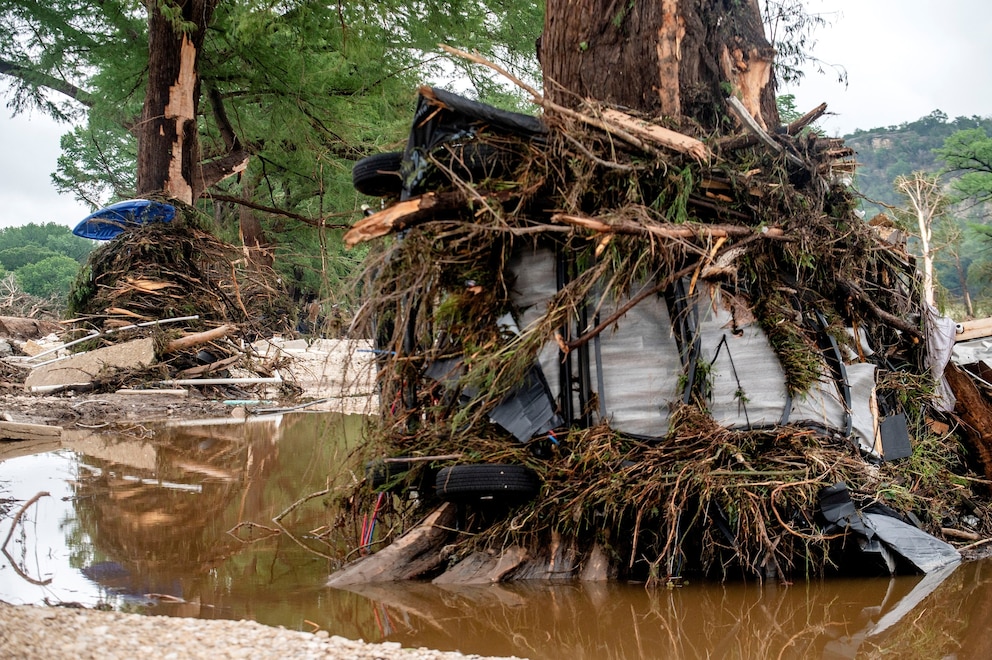
"If you're in more rural, farm-based areas, there's just lots of fecal material from farm animals outside that can kind of wash into your home," she said. "So, it really serves as this potential stew of ways that these bacteria can get you."
Contaminated floodwaters can cause more benign conditions like skin irritations. More serious conditions like infection can also occur if contaminated water enters small cuts or open wounds in the skin, and can progress to sepsis if left untreated.
If contaminated floodwater is swallowed, or pollutes drinking water, this can lead to gastrointestinal illnesses such as stomach pain, diarrhea, nausea and vomiting.
A 2023 study from researchers at the Yale School of Public Health found that severe flooding was linked to an increased diarrhea risk among children.
There are long-term health impacts as well due to mold that can grow in houses and on surfaces, according to Kai Chen, an associate professor of epidemiology in the department of environmental health sciences at the Yale School of Public Health and faculty director of the Yale Center on Climate Change and Health.
"Even months after the flood, what we see is there's increased risk for chronic illnesses such as heart disease, and there can be also, in fact, respiratory illnesses like pulmonary disorders," he told ABC News. "So, if you're breathing in this moldy air, it can induce these chronic conditions, respiratory illnesses."
Chen said an analysis conducted with colleagues in 2023 found that, in the U.S., even as long as 12 months after the floods, there can be increased mortality from chronic conditions like cardiovascular disease and respiratory illnesses.
Although it's best to avoid floodwater when possible, Chen recommends taking precautions if you need to be near or in floodwater.
"Wash your hands with soap and make sure you have safe drinking water," he said. "Even though you think, 'I just live nearby the flood. The flood water doesn't come into our neighborhood,' it could also contaminate the groundwater."
Exum said people can call their county health department if they have a water well that they suspect may have been contaminated during the floods.
Mosquitoes pose another risk as standing floodwater can serve as a breeding ground, which can lead to the harboring of diseases, such as West Nile virus.
Exum said it's understandable that some people would want to enter their homes to remove the standing water and salvage their property, but added that it's important to take precautions.
"If you do want to get into your home … put on some big rubber boots, put on some eye protection, put on gloves, wear long pants, and just recognize that even though it may look like it's just water, it actually could be a pretty meaningful risk for you," she said.