5 Tips to 'Fall Back' From Daylight Saving Time
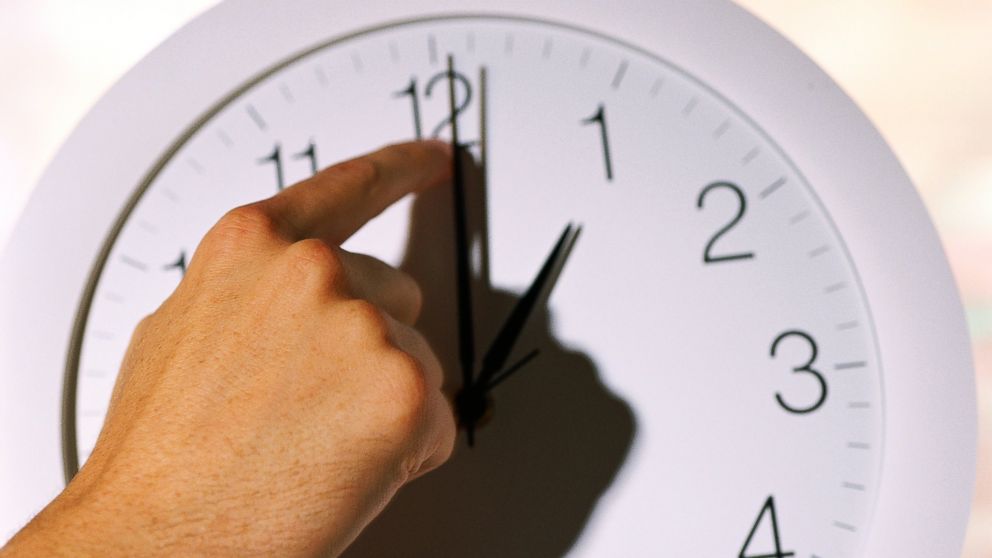
Nov. 2, 2013— -- intro: What's better than sleeping in on a Sunday? How about dodging the days-long consequences of rolling the clocks back this weekend.
Sure, you'll gain an hour when daylight saving time ends at 2 a.m. Sunday. But spending said hour in bed after sunrise will do you few favors in the long run, sleep experts say.
"It will hit you Sunday evening," said Dr. Yosef Krespi, director of the New York Head and Neck Institute's Center for Sleep Disorders. "But if your body clock is tuned to waking up with sunlight, you're going to benefit."
The body clock is a cluster of neurons deep inside the brain that generates the circadian rhythm, also known as the sleep-wake cycle. The cycle spans roughly 24 hours, but it's not precise.
"It needs a signal every day to reset it," said Dr. Alfred Lewy, director of Oregon Health and Science University's Sleep and Mood Disorders Laboratory in Portland.
The signal is sunlight, which shines in through the eyes and "corrects the cycle from approximately 24 hours to precisely 24 hours," said Lewy. But when the sleep-wake and light-dark cycles don't line up, people can feel out-of-sync, tired and grumpy.
With time, the body clock adjusts on its own. But here are a few ways to help it along.
Daylight Saving Time 2013: Gain an Hour on Sunday
quicklist: 1category: Tips to 'Fall Back' From Daylight Saving Timetitle: Wake Up at a Normal Time Sunday Morningurl: text: Many people see the extra hour as an excuse to stay up later and sleep in longer. But sleeping through the Sunday morning sunlight can leave you feeling out of sorts for the start of the week, according to Krespi.
Instead, try to get up at the same time. Use the extra hour to go for a morning walk or make a hearty breakfast.
quicklist: 2category: Tips to 'Fall Back' From Daylight Saving Timetitle: Eat Well and Exerciseurl: text: Speaking of morning walks and breakfast, an active lifestyle and a healthy diet can work wonders for your sleep, according to Krespi. So grab your partner, your dog or your favorite playlist and get outside some fresh air and exercise. And dig into a breakfast packed with whole grains and protein to keep you energized through the 25-hour day.
quicklist: 3category: Tips to 'Fall Back' From Daylight Saving Timetitle: Get a Good Night's Sleep Sunday Nighturl: text: Still have extra time to kill Sunday? Use it to turn your bedroom into a full-fledged sleep zone.
"It has to be quiet, it has to be cool and it has to be dark," said Krespi. "Shut down your gadgets and turn away that alarm clock so you don't watch it tick."
Try to hit the sack at your usual bedtime, even though it will be dark one hour earlier.
quicklist: 4category: Tips to 'Fall Back' From Daylight Saving Timetitle: Try a Low Dose of Melatoninurl: text: While light synchronizes the body clock in the morning, the hormone melatonin updates it at night. The exact function of the hormone, produced by the pea-size pineal gland in the middle of the brain, is unclear. But it can activate melatonin receptors on the neurons of the body clock, acting as a "chemical signal for darkness," Lewy said.
Taking a low dose of melatonin in the evening can help sync the sleep-wake and light-dark cycles. But be careful: Although melatonin is sold as a dietary supplement, it can cause drowsiness and interfere with other drugs. Talk to your doctor about the dosage and timing that's right for you.
quicklist: 5category: Tips to 'Fall Back' From Daylight Saving Timetitle: Know That Your Body Will Adjusturl: text: It might take a few days to feel 100 percent normal, but fear not: Your body will adjust to the new light-dark cycle.
"Some people suffer more, some people less, it all depends," said Krespi, adding that falling back in November tends to be easier than springing forward in March. "On Monday morning, we'll appreciate that we're waking up for work or school with sunlight."