Why travel restrictions may have unintended consequences as US bars some visitors amid Ebola outbreak
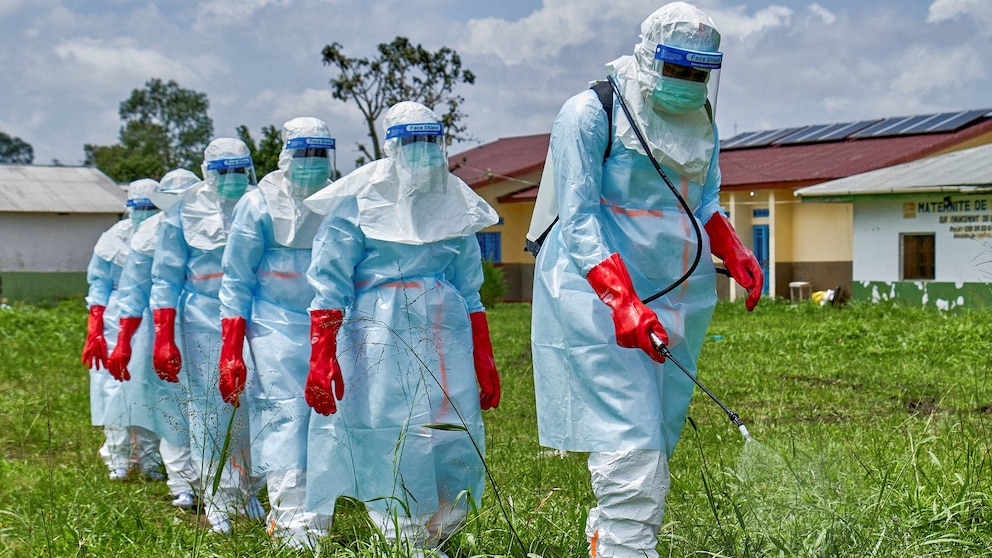
The Centers for Disease Control and Prevention (CDC) announced this week it was restricting entry to the United States of foreign travelers who have recently been in countries impacted by a rapidly growing and concerning Ebola outbreak with no signs of containment.
Additionally, U.S. passport holders and U.S. nationals returning to the U.S. from Democratic Republic of the Congo, Uganda and South Sudan within the last 21 days will be funneled to Dulles Airport in Virginia, to be screened for symptoms and interviewed about possible exposure. Enhanced screening efforts have also begun at Hartsfield-Jackson Atlanta airport as of Saturday morning and George Bush Intercontinental Airport in Houston will begin late Tuesday. Lawful permanent residents (green card holders) who have been in any of the three countries over the last 21 days are barred from entering the U.S. temporarily.
Some public health specialists told ABC News that monitoring travel exposures is an important part of containing and tracing the spread of a disease.
However, they warned that broader bans can have unintended consequences that may negatively impact global public health and hinder containment efforts that should be considered when making these decisions.
Travel bans may keep some initial cases out of the country, but it's not a guarantee because those who are allowed to enter may be infected but asymptomatic at time of entry, the public health specialists said.
"With Ebola, the key issue is not casual travel, it's whether infected or exposed people can be identified, isolated and monitored," said John Brownstein, an epidemiologist and chief innovation Officer at Boston Children's Hospital and ABC News medical contributor.
Brownstein said a temporary, specific and targeted travel policy may help protect the U.S. homeland from cases initially, but only as part of larger evidence-based strategies to stop spread at the source.
"We always worry that broad travel restrictions offer people a false sense of safety. Incubation periods can vary and people may not be aware of their own exposures to people with a virus,” Brownstein said.
"In theory, Ebola is more traceable than a respiratory virus because transmission usually requires close contact," he continued. "But in practice, tracing can become very difficult when people are moving across borders, cases occur in urban or mining areas, health systems are strained or insecurity limits access to communities. The challenge is finding every case and every contact fast enough.”
Others pointed to the failures of previous travel bans, such as during the early days of the COVID-19 global pandemic.
"A broad travel ban does not make sense based on what we know so far," Dr. Krutika Kuppalli, a Dallas-based infectious disease physician who specializes in emerging infections, told ABC News. "If the goal is truly to reduce risk, policies need to be grounded in epidemiology and exposure risk, not nationality."
Many leading organizations in global health, including the World Health Organization -- the health arm of the United Nations -- have long advised against this type of broad travel restriction. The WHO said on Sunday that it has "no basis in science" and is "usually implemented out of fear," pushing people to go to informal crossings.
In a statement to ABC News, a spokesperson for the Department of Health and Human Services said that suggestions the measures taken by the department "are inconsistent with public health best practices are completely wrong and misguided."
"HHS is taking targeted, evidence-based steps rooted in long-standing protocol and expertise to protect the American people and prevent the spread of Ebola," the statement continued. "These safeguards are designed to strengthen screening, monitoring, and containment efforts if necessary to support the international response to stop the outbreak at its source."
Bans may backfire
Some public health specialists told ABC News that border closures may backfire by pushing people away from official checkpoints and, in turn, making cases harder to find.
"You're blocking people from leaving that area, but it also makes it much harder to get things into those areas as well," Amesh Adalja, senior scholar at Johns Hopkins Center for Health Security, told ABC News.
Outbreak control measures often rely on external people to distribute resources or provide medical and technical support. Kuppalli said restricting movement back to the U.S. can potentially limit that capability because volunteers may be restricted from returning home.
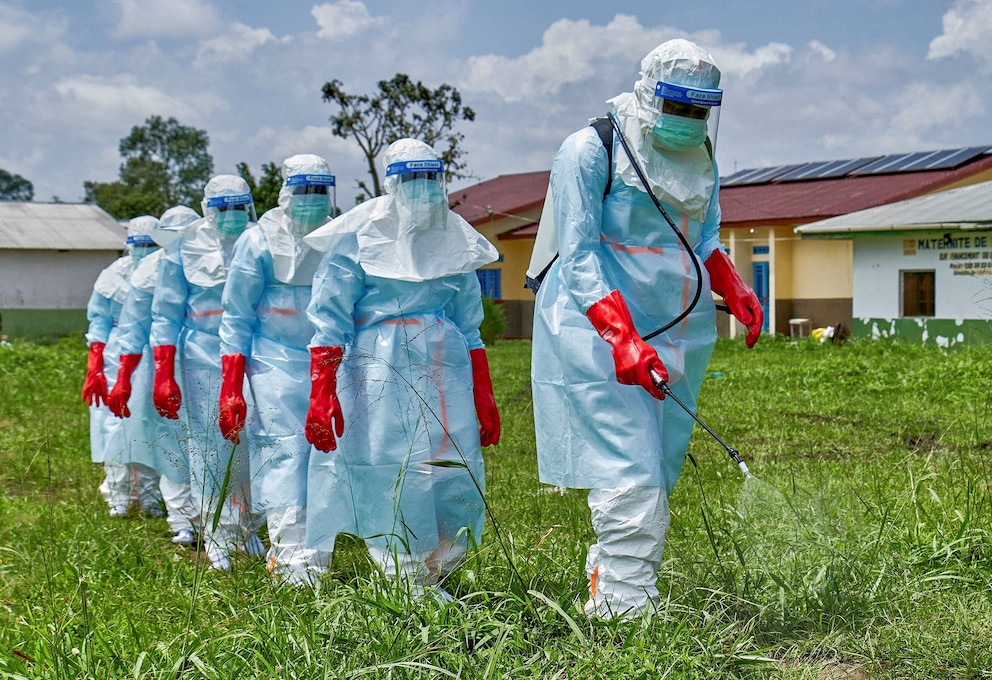
"[Travel bans] can disrupt the movement of healthcare workers, laboratory supplies, PPE, and humanitarian assistance into affected regions," Kuppalli said. "They may also deter frontline responders from deploying if they are uncertain what will happen should they become exposed or ill abroad."
History shows bans may not stop outbreaks
Jessica Malaty Rivera, an infectious disease epidemiologist and executive director for the Infodemiology Initiative at the nonprofit The Public Good Projects, told ABC News "maybe a movement ban could delay some of the first imported cases, but they don't prevent outbreaks."
Kuppalli said examples include during the 2009 H1N1 influenza pandemic, the COVID-19 pandemic and mpox response.
"History repeatedly shows that travel bans are often more politically appealing than epidemiologically effective," she said.
She explained that travel restrictions during the H1N1 influenza pandemic did not stop global spread because infected patients had already traveled internationally before bans were implemented.
"During COVID-19, travel bans may have delayed spread by days or weeks in some settings, but they did not prevent global transmission once sustained spread was underway," Kuppalli said. "With mpox, we also saw that focusing too heavily on border measures instead of testing, surveillance, vaccination and community engagement delayed more effective public health interventions."
Kuppalli worked as a medical director at an Ebola treatment center during the 2014 outbreak when there were similar debates about travel bans.
"At that time, many public health experts opposed blanket travel bans because they risked driving travel underground, making it harder to identify and monitor exposed individuals," she said.
Airport surveillance
The DHS' latest move routes all flights carrying entry-eligible passengers who recently travelled from DRC, Uganda and South Sudan to a single port of entry in Virginia.
Public health specialists said this move can streamline screening efforts upon arrival into the U.S., but there are multiple factors that should be considered when implementing airport surveillance.
"Making decisions to conduct airport surveillance should be based on whether there are travel-linked cases, whether the outbreak is reaching major transportation hubs, how much travel connects the affected region to the U.S. and whether exposed people can be monitored after arrival," Brownstein explained. "[Airport surveillance] should be based on risk, not fear."
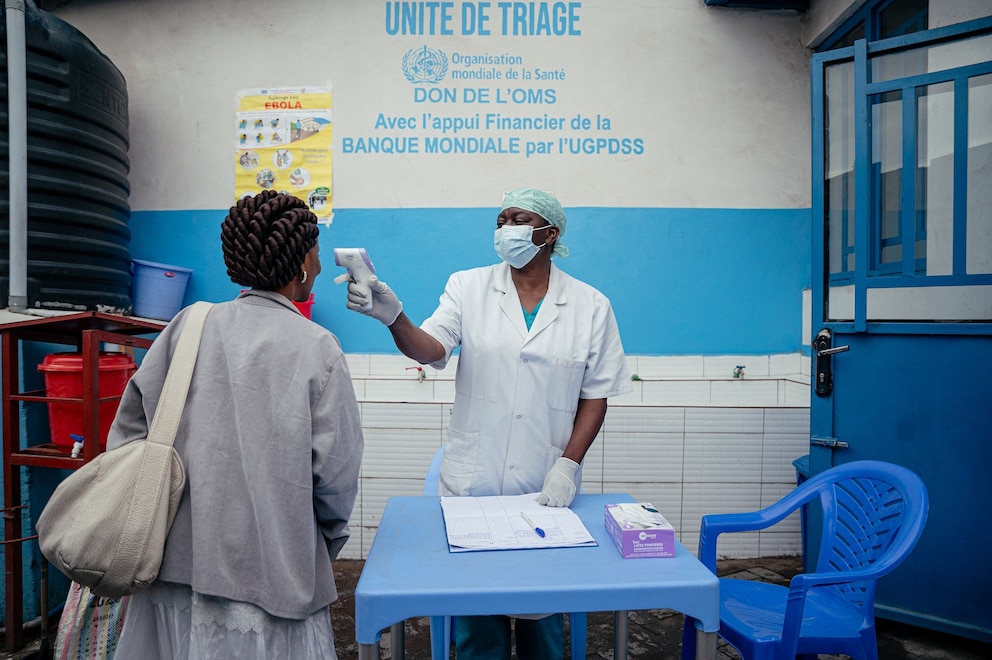
On Thursday, the CDC said screening at Dulles will include a questionnaire that asks about travel history and any symptoms. CDC staff will also observe travelers for signs of illness and take temperatures. Traveler contact information will be shared with state and local health departments in the event they develop symptoms later.
Travelers with any symptoms that are believed to have been infected with or exposed to Ebola will be transferred to a hospital for isolation and medical care, officials said.
When asked during a press briefing on Friday why travelers were being routed through only Dulles, Dr. Satish K. Pillai, incident manager for the Centers for Disease Control and Prevention's Ebola response, said that the CDC’s "experts global migration determined that the initial port of entry was something that met the demand."
The public health specialists said that Ebola requires contact with a symptomatic person's body fluids -- it's not an airborne disease -- making it less likely to spread on an airplane or lead to a global pandemic.
However, they acknowledge it may take a while to contain in impacted areas due to how large it is, and how long it took for the outbreak to be identified.
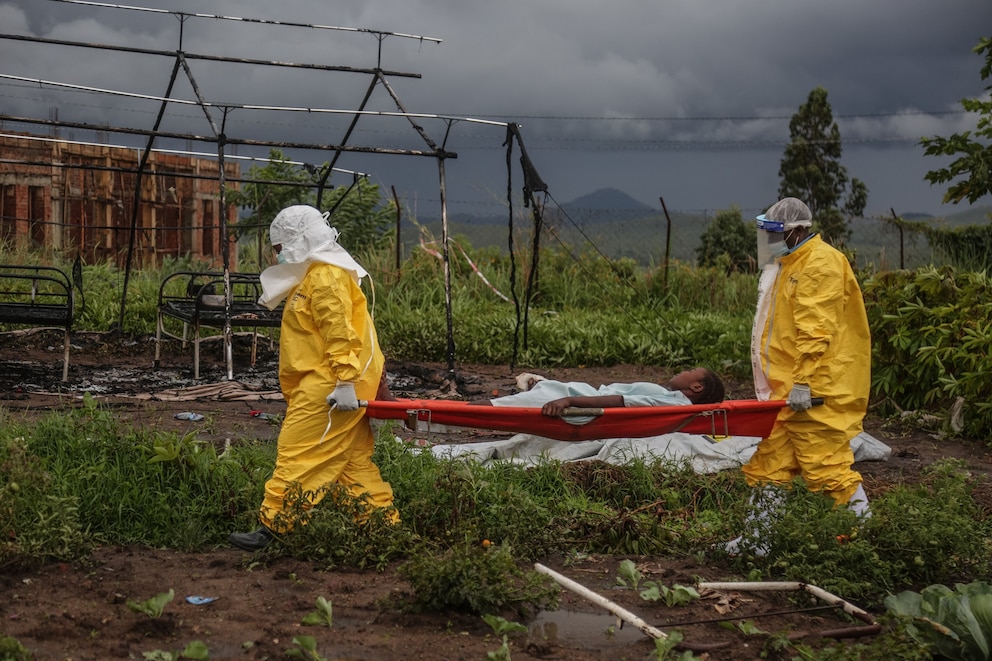
Currently, there are at least 750 suspected cases and at least 177 suspected deaths recorded in the ongoing Ebola outbreak in the eastern DRC, WHO's director-general Dr. Tedros Adhanom Ghebreyesus said Friday, calling the situation "deeply worrisome." Experts who spoke to ABC News echoed those concerns.
"I am deeply concerned about the health and well-being of people in DRC, in Uganda and in neighboring countries," Malaty Rivera said. "This many cases and this many deaths this quickly tells us that it likely was spreading undetected for quite some time."
Risks can change, but US has resources in place
The CDC says the risk of Ebola to the American public remains low, but experts acknowledged that risk can always change.
"Low risk does not mean no risk, and outbreaks are dynamic," Brownstein said. "If cases spread into larger cities, cross more borders, involve more health workers or show gaps in contact tracing, the risk assessment would change. That is why surveillance matters so much in the early phase."
Ebola is a very severe and often fatal disease. The strain of Ebola in the current outbreak, Bundibugyo virus disease, has no vaccine or specific treatment.
At least one American doctor who was treating patients in the DRC is among the confirmed cases linked to the current outbreak and is receiving medical care in Germany. As of Thursday, he remained critically ill but said he was "cautiously optimistic" about his health improving.
But if Ebola were to come to American soil, there are protocols that can be followed. The CDC has standing guidance for healthcare providers taking care of patients whom it suspects may have certain viruses that can cause hemorrhagic fever, including Ebola.
"It would be taken very seriously, but one imported case would not mean Ebola is spreading broadly in the U.S.," Brownstein said. "The patient would be isolated, tested, and treated, and every contact would be monitored."
Jade A. Cobern, MD, MPH, is a practicing physician, board-certified in pediatrics and general preventive medicine, and is a fellow of the ABC News Medical Unit.