26 states will soon face shortage of ICU doctors
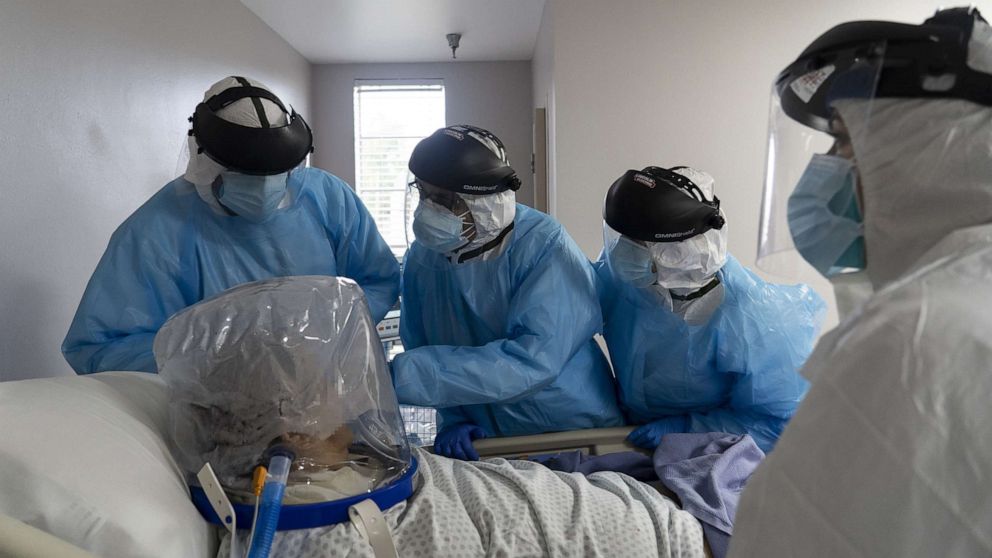
They built field hospitals, transformed operating rooms into ICUs, and ingeniously crafted their own ventilators and masks. And now they're strapped for the people who make up a critical care workforce.
Researchers at George Washington University's Milken Institute School of Public Health found that the majority of states are now at risk for shortages in healthcare workers needed to treat critically ill patients, including those with COVID-19. This week’s report shows alarming projected shortages over last week in doctors, nurses, respiratory therapists and pharmacists.

The most recent update finds that 26 states will soon face shortages in ICU doctors, up from only five last week. Ten states are at risk of running low on critical care nurses. Seven face shortages in doctors trained to work in hospitals. Nine states will not have enough respiratory therapists, up from zero last week. Six states will face shortages in pharmacists. This stark prediction brings back recent memories of workforce shortages in New York City when health care workers from all over the country answered the call to action.
“These highly trained doctors, nurses, respiratory therapists and pharmacists all work together to provide potentially life-saving care to COVID-19 and other seriously ill patients,” said Patricia Pittman, PhD, director of the Fitzhugh Mullan Institute for Health Workforce Equity at the Milken Institute. “At a time when COVID-19 continues to surge in the United States," she added, "our current analysis shows that most states are at risk of running low on these critical healthcare workers.”
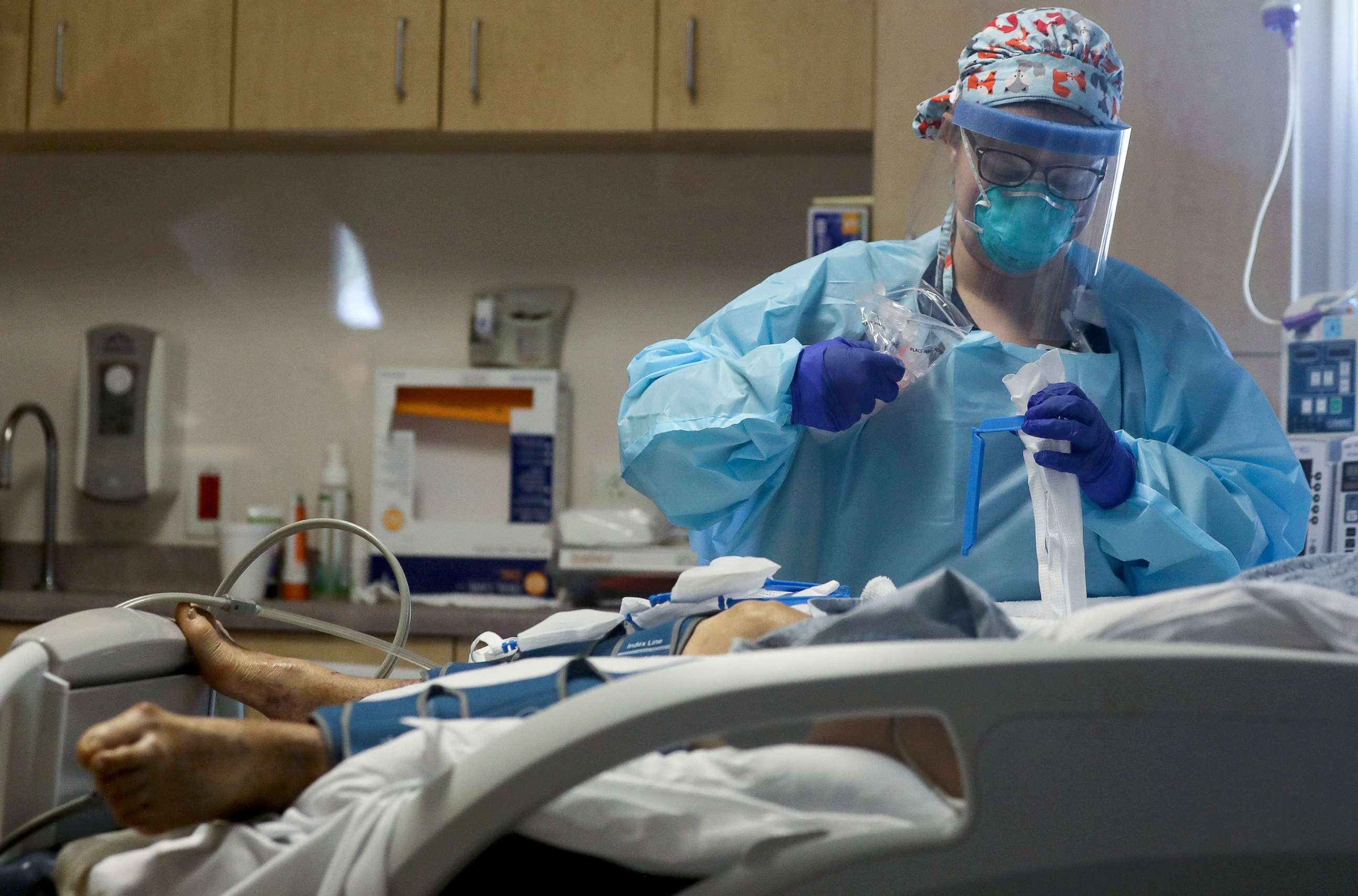
Pittman’s team created a tool called the State Hospital Workforce Deficit Estimator to help states and the federal government gauge the demand for healthcare professionals given different scenarios of COVID-19 and the normal attrition rates for workers. The Workforce Estimator allows policymakers to plan for looming spikes in COVID-19 cases and begin staffing up to help meet the demand.
Despite an increased ability to track trends in workforce shortages, the problem is a more challenging one to address given how long it takes medical and pharmacology students to be trained to work in an ICU. ICU doctors have nearly six years of training after medical school to become board certified, and ICU pharmacists complete two years of residency after four years of pharmacy school.
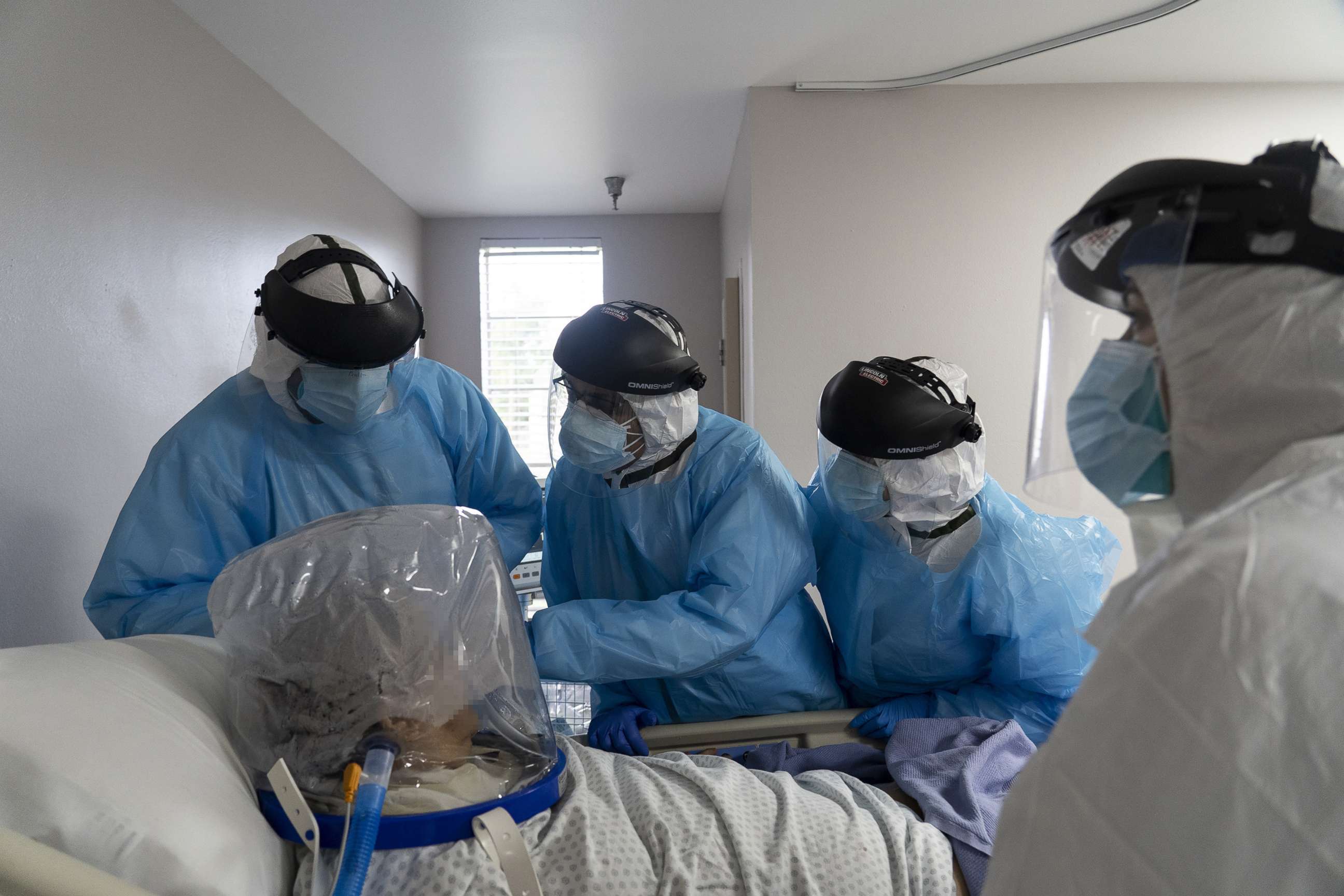
The problem of a shortage of healthcare workers in ICU is not new, but it is certainly a more pressing one in the context of a pandemic. In 2019, the Society for Critical Care Medicine (SCCM) released a statement on the projected workforce shortage and possible solutions. The SSCM's Fundamental Critical Care Support program, aimed toward rural and other areas underserved in critical care, offers a shorter, certificate program to non-ICU physicians, nurses, nurse practitioners and physicians assistants who often lack critical care training.
Telemedicine services may pose another mitigation strategy in specific circumstances to address the need. Advanced practice providers, such as nurse practitioners and physician assistants may be more easily pulled up the ranks to round out a multidisciplinary team.
Intensive care is primary example of a team sport in medicine, and if hospitals are not fielding adequate teams, even with state-of-the-art equipment, they cannot expect to help their patients win the battle against the coronavirus.
Molly Stout, MD is a dermatology resident at Northwestern in Chicago and a contributor with the ABC News Medical Unit.