Here's everything we know and don't know about the new UK COVID-19 variant
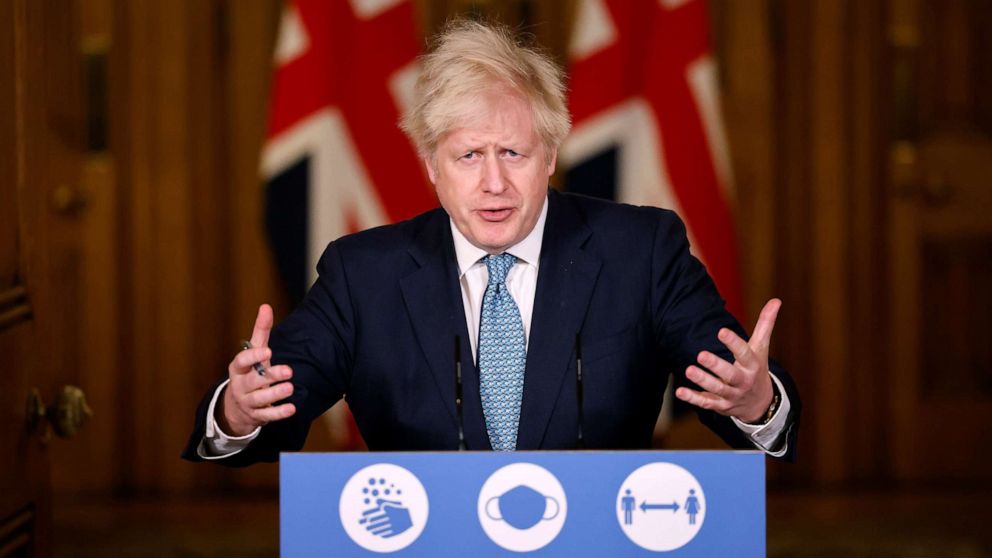
With news of a mutant COVID-19 virus dominating headlines, scientists, doctors and virologists say it’s too soon to panic about the potential implications of the new variant identified in the United Kingdom.
This isn’t the first time the SARS-2 virus has mutated -- developing small errors that show up and become integrated into its genetic code. And it won’t be the last. But so far, none of those prior mutations have had a major impact when it comes to the severity of the illness, or -- crucially -- when it comes to the vaccine.
“We shouldn’t be scared” of the U.K. variant, said Susan R. Weiss, Ph.D., professor of microbiology at the Perelman School of Medicine at the University of Pennsylvania. “We have no real information on what any of these mutations mean ... and my gut feeling is that they won’t mean a lot.”
Some experts say it is possible the new mutations identified in the U.K. variant may have helped it spread further and faster than previously identified variants.
“We’re still studying this variant, and there’s still a lot we don’t know. But my view, looking at all the data, is that it does look like it probably does spread a bit faster,” Dr. Ashish Jha, dean of the Brown University School of Public Health, said on "Good Morning America" on Monday.
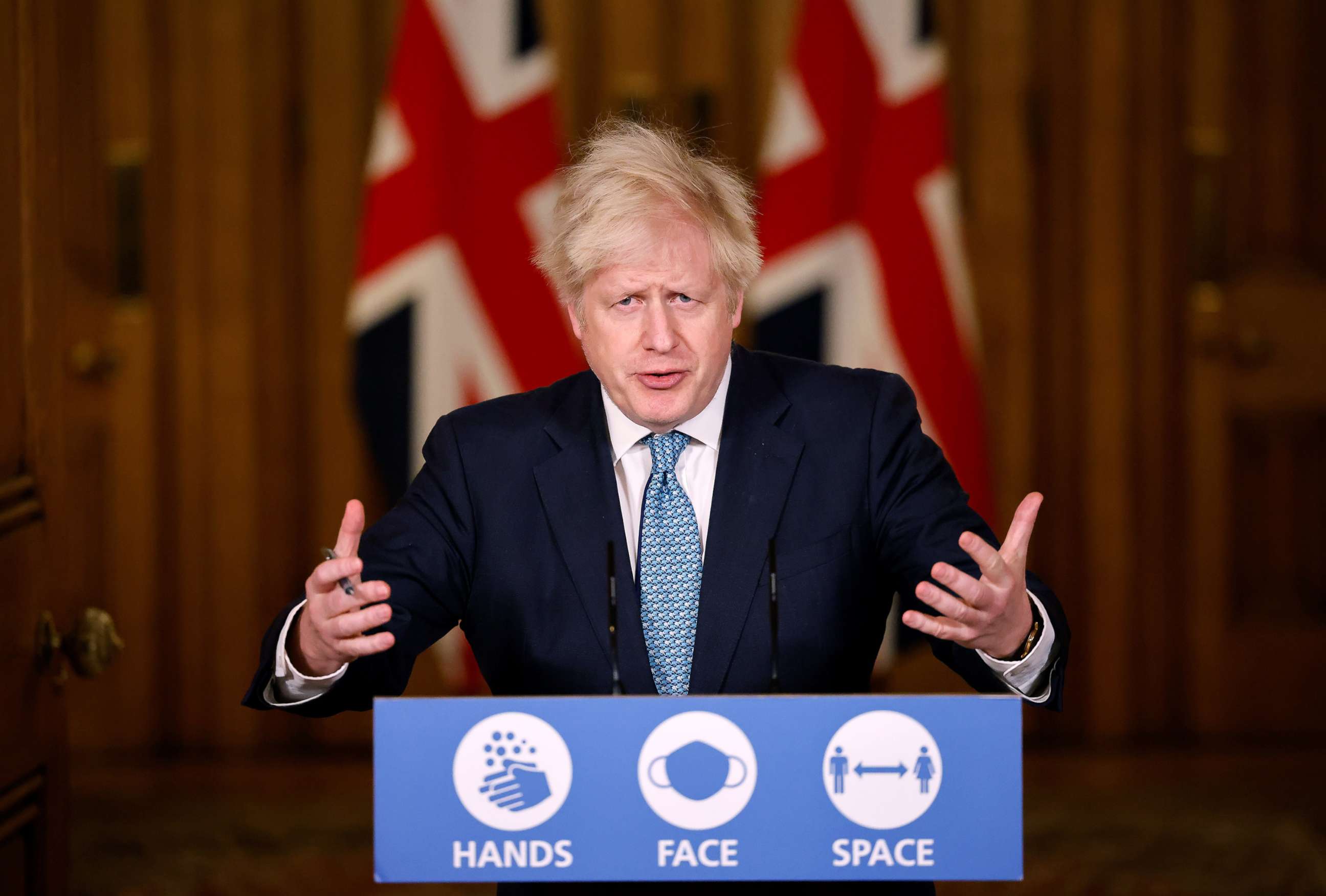
U.K. Prime Minister Boris Johnson and other members of the U.K. government said the new variant could be 70% more transmissible than other SARS-CoV-2 variants. This number is based on a model analyzing the variant’s recent spread, which is accelerating at a greater pace compared to prior variants.
But other scientists are urging caution, saying that the 70% estimate is not based on any scientific experiments in the laboratory. Plus, the rapid spread of this new variant could be explained by factors other than its reassembled genetic code.
For example, it’s possible this variant was just at the right place at the right time -- spreading like wildfire at several super spreader events, or quickly jumping from person to person on London’s crowded streets and subways.
“If a variant infects someone who then becomes a super-spreader, he or she will spread it to many others. They will have the variant and they will pass it on," said Dr. Vincent Racaniello, a professor of microbiology and immunology at Columbia University.
Virologists said we will need more ironclad data from a laboratory to determine if it really is more easily transmissible.
And though we’ve seen a handful of variants that seem alarming at first, those initial fears haven’t materialized. For example, there was a specific mutation to the virus in April that worried a lot of people in Spain. Although it appeared that variant might be 50% more deadly, that turned out not to be the case when more data was collected.
Still, the U.K. variant does have mutations that are more wide-ranging than the prior variants we’ve seen, so virologists are paying close attention to this new development.
The new viral variant does “differ by phenotype and genotype,” said Dr. Richard Kuhn, a biological sciences professor and director of the Purdue Institute of Inflammation, Immunology and Infectious Disease. This means that the variant has different genetical material that could cause the virus’s behavior to change.
The good news is that there’s no evidence these changes will make the virus more deadly or impact the vaccine.
“There isn’t evidence on the new variant’s impact on severity or hospitalizations,” said Dr. Jay Bhatt, an ABC News medical contributor.
Vaccines coax our immune systems into forming antibodies against multiple parts of the virus, so a few mutations are unlikely to make a virus resistant.
"There’s no evidence so far -- and we’re still studying it -- that it’s any deadlier," Jha said. "And I’m not at all worried it’s going to escape the vaccine."
As we learn more, scientists and public health experts are urging calm.
SARS-CoV-2 “has mutated dozens of times already this year. That doesn’t mean it’s more dangerous, it doesn’t mean it’s more contagious," said U.S. Surgeon General Jerome Adams, speaking at a White House coronavirus task force meeting Monday.
“We’re going to follow the science, but the recommendations don’t change,” Adams said. “As a matter of fact, it means we need to double down on the recommendations: wear a mask, wash your hands, watch your distance and wait on holiday gatherings.”
Shiela Beroukhim Afrahimi, M.D., is an internal medicine resident at Harbor-UCLA Medical Center in Torrance, California, and a contributor to the ABC News Medical Unit. Sony Salzman is the coordinating producer of the Medical Unit.