US measles cases surpass 2,000 for the 2nd year in a row: CDC
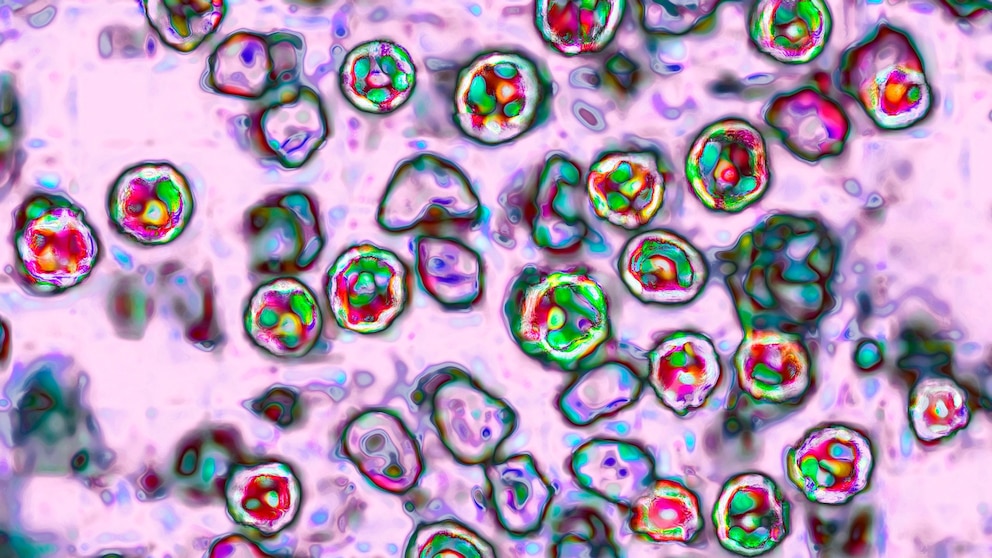
Measles cases in the United States have surpassed 2,000 for the second year in a row, according to data updated Friday from the Centers for Disease Control and Prevention (CDC).
So far in 2026, 2,030 confirmed cases have been recorded in 38 states and the District of Columbia, CDC data shows.
Cases have been confirmed in: Alaska, Arizona, California, Colorado, Florida, Georgia, Idaho, Illinois, Kansas, Kentucky, Louisiana, Maine, Maryland, Massachusetts, Michigan, Minnesota, Missouri, Montana, Nebraska, New Jersey, New Mexico, New York, North Carolina, North Dakota, Ohio, Oklahoma, Oregon, Pennsylvania, Rhode Island, South Carolina, South Dakota, Texas, Utah, Vermont, Virginia, Washington, Wisconsin and Wyoming.
Just 10 measles cases were reported among international travelers so far this year, according to CDC data.
Last year, 2,288 confirmed measles cases were reported for all of 2025. Prior to this, measles cases had not surpassed 2,000 in the U.S. since 1992.
The U.S. also saw its first measles deaths in more than a decade last year, including two among unvaccinated school-aged children in Texas and one among an unvaccinated adult in New Mexico.
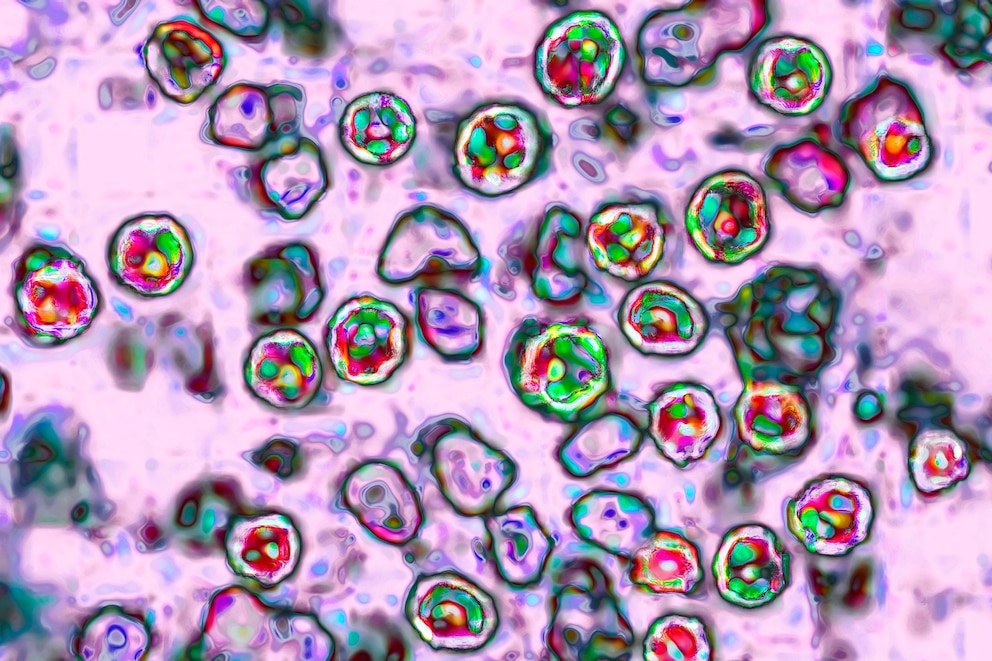
The majority of measles cases in 2026 have been confirmed among children and teenagers aged 19 and younger, according to the CDC.
About 92% of cases are among people who are unvaccinated or whose vaccination status is unknown, CDC data shows.
Meanwhile, 4% of cases are among those who have received just one dose of the measles, mumps, rubella (MMR) vaccine and 4% of cases are among those who received the recommended two doses, according to the CDC.
Dr. William Schaffner, a professor of preventive medicine at Vanderbilt University Medical Center in Nashville, referred to the latest figures as "very disappointing and very concerning."
"It indicates that an increasing number of parents are either postponing or withholding their children from vaccination, and this is very concerning because it permits this virus back now into in the United States to continue to spread and obviously to cause illness in the children affected," he told ABC News.
January 2026 marked one year since measles cases were first detected on Texas. It’s unclear if the cases confirmed on Jan. 20, 2025, are linked to those that have been found other states; if so, it would mean the U.S. has seen a year of continuous transmission.
If it's determined that the U.S. has experienced 12 months of continuous measles transmission, it could lead to a loss of the country's elimination status that was earned in 2000. Measles would once again be considered endemic or constantly circulating.
The review of the measles elimination status in the U.S., which is determined by the Pan-American Health Organization, will take place in November 2026.
Schaffner said the U.S.'s measles elimination status is threatened as a result of so many cases.
"Measles, because it's the most contagious virus, is like the canary in the coal mine; it's the alert that lets us know that we're also opening ourselves up to other transmissible diseases that vaccines could prevent," he said.
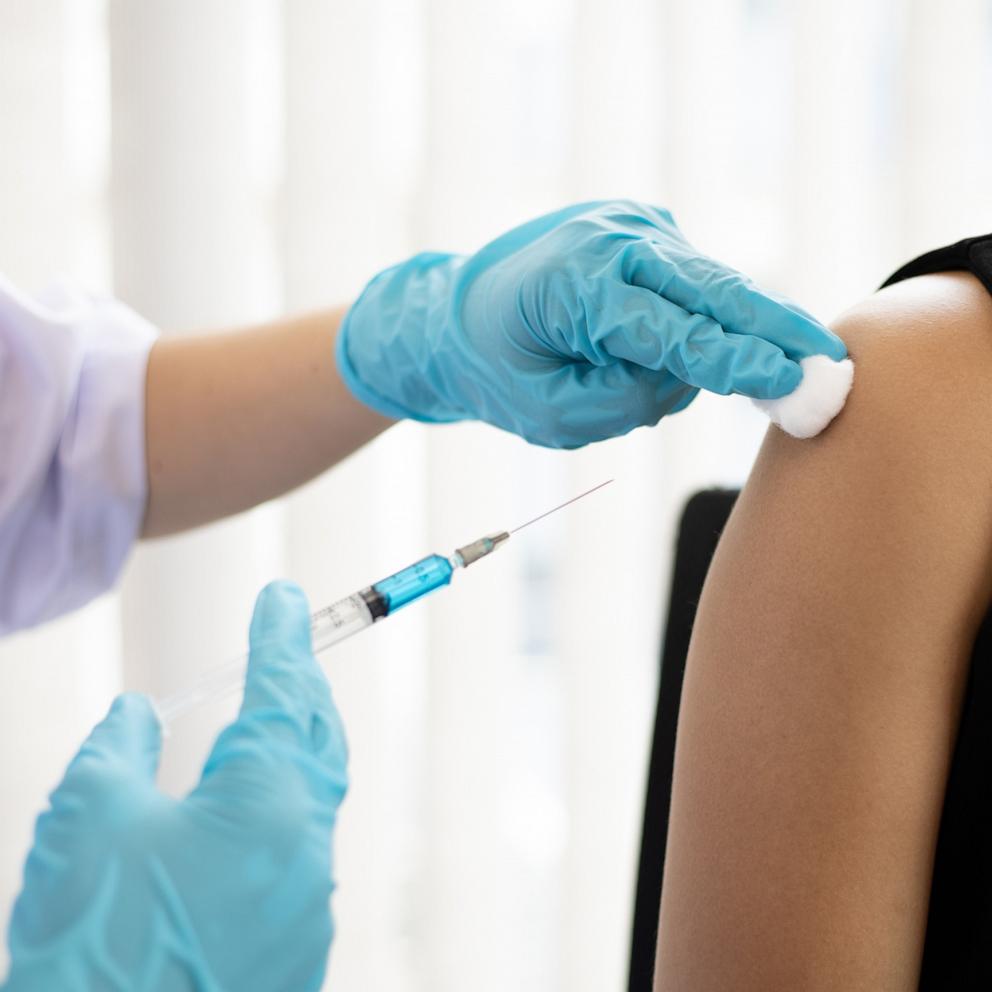
The CDC currently recommends that people receive two doses of the MMR vaccine, the first at ages 12 to 15 months and the second between 4 and 6 years old. One dose is 93% effective, and two doses are 97% effective against measles, the CDC says.
However, CDC data show vaccination rates have been lagging in recent years. During the 2024 to 2025 school year, 92.5% of kindergartners received the MMR vaccine, according to data. This is lower than the 92.7% seen the previous school year and the 95.2% seen in the 2019 to 2020 school year, prior to the COVID-19 pandemic.
Schaffner said that public health specialists need to listen carefully to parents who are skeptical or hesitant of getting their children vaccinated.
"Have them speak to their own family doctors and pediatricians, have those conversations, and our pediatricians and family doctors have to provide a level of comfort and reassurance," he said. "Facts are fundamental, but more importantly, these parents need reassurance and a level of comfort that what their doctors ... are recommending is in the best interest of their child and the communities in which their children live."
"These diseases are bad and can be really bad. The vaccines are good and really good," Schaffner added.