As the US struggles with lack of coronavirus testing, researchers look to our sewage for clues
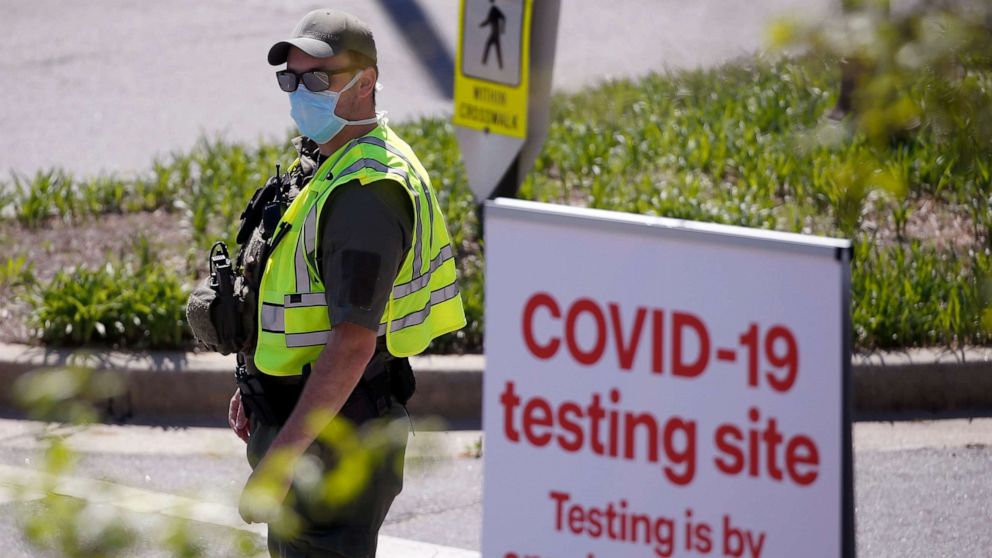
As the novel coronavirus continues to spread and devastate communities, the United States is still struggling to do enough testing to understand the true scale of the epidemic.
Now, researchers around the country are looking for new tools to help track how the virus is spreading. Testing your sewage may be one way.
The need to find new ways to measure this epidemic has become even more urgent in recent weeks. According to CDC Director Dr. Robert Redfield, about 25% of Americans may be asymptomatic carriers, meaning they are infected but will likely never get tested because they don’t have symptoms.
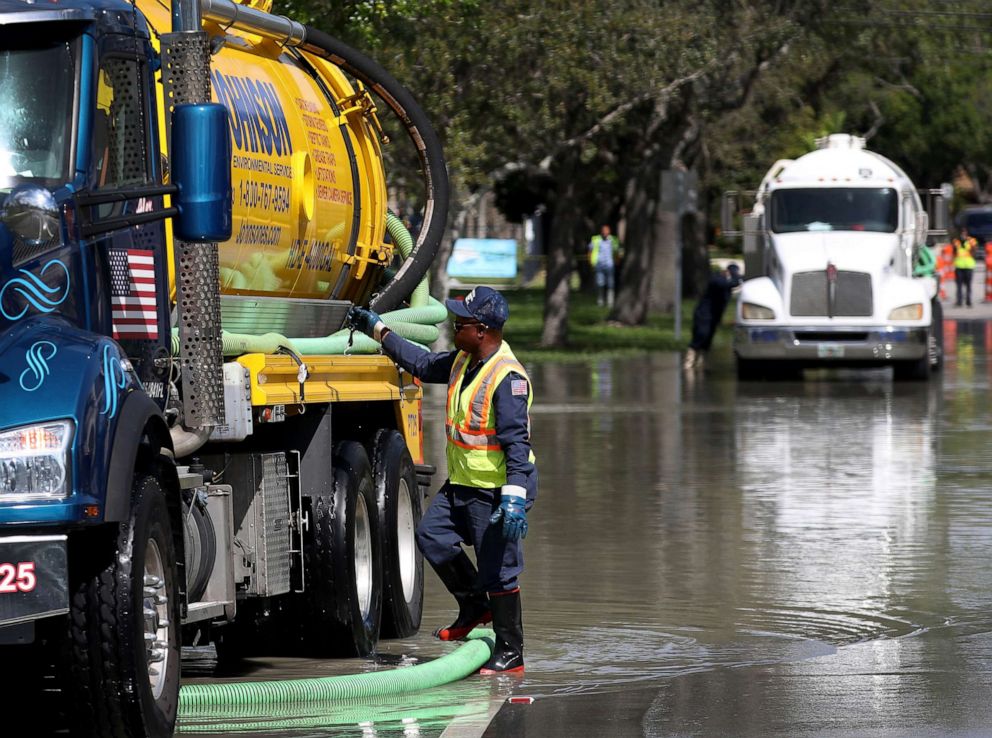
The current coronavirus test swabs your nose and mouth, but scientists have also detected the virus in the stool of infected people. The virus then gets into sewage water through infected stool, giving scientists an indirect way to tell if the virus is present.
This is not the first time this type of technology has been used to track diseases in communities. In 2013, a polio outbreak was detected in Israel through sewage water testing, prompting a polio vaccination campaign to help stop the outbreak from becoming an epidemic.
Now, at least two independent research teams in the United States are developing technology to measure how much COVID-19 is in sewage water to help track virus spread.
One of those teams is led by Dr. Ian Pepper, director of the University of Arizona Water and Energy Sustainable Technology (WEST) Center. Dr. Pepper said the technology involves taking a sample of sewage water back to the lab, then using a molecular test called polymerase chain reaction, or PCR, to test the water for COVID-19. If the water tests positive, more tests are run, including attempting to grow the virus to see if it is still active. PCR is also used for the current COVID-19 nasal swab test.
Ultimately, this technology detects if the virus DNA is in the sewage water, and how much. Dr. Pepper explained even though virus DNA can only survive in water for a limited time, even after it is inactive the DNA is still in the water.
Newsha Ghaeli is president and co-founder of BioBot, a startup spun out of the Massachusetts Institute of Technology (MIT) in Cambridge, Mass. Her team also specializes in using wastewater for tracking diseases.
According to Ghaeli, public health is becoming more data-driven and one day wastewater data may drive policy decisions, such as where resources should be sent in a disease outbreak.
What to know about Coronavirus:
- How it started and how to protect yourself: Coronavirus explained
- What to do if you have symptoms: Coronavirus symptoms
- Tracking the spread in the US and Worldwide: Coronavirus map
Can this technology tell how many people are infected with coronavirus in a community? Dr. John Brownstein, chief innovation officer at Boston Children’s Hospital, noted it may not be very reliable for giving exact numbers, but this technique is still a helpful way to show if the virus has reached a community or not.
Dr. Pepper noted the technology is very useful when a disease first starts spreading, but even after a disease is widespread it still has important uses.
“It can tell us if the amount of virus [in a community] is increasing, decreasing or staying the same," Dr. Pepper said. "This may be very useful if hopefully the virus goes away this summer, for monitoring in the fall in case it reemerges.”
Dr. Eric Alm, professor at the MIT Center for Microbiome Informatics and Therapeutics, and scientific director at BioBot, noted that this kind of technology may be key in figuring out when we will flatten the curve. In the future, it may help us stop epidemics from happening at all.
“Wastewater data may become more reliable then individual testing, especially if hospitals become overwhelmed," Dr. Alm said. "We hope to use this kind of data to stop outbreaks before they reach epidemic levels so we will never find ourselves again in a situation like we are in today.”
Nancy A. Anoruo, M.D, M.P.H is an internal medicine resident physician with a focus on public health at the University of Massachusetts Medical School, and a contributor to the ABC News Medical Unit.