What to know about vaccine-derived polio after rare case found in New York
When the New York State Department of Health announced a patient in Rockland County -- north of New York City -- had contracted polio, they revealed it was a case of vaccine-derived polio.
Vaccine-derived poliovirus is different than poliovirus that originated in the wild which spreads naturally among a community.
The NYSDOH said in a release that testing, performed by the department's public health laboratory and confirmed by the Centers for Disease Control and Prevention, showed the patient was infected with polio Sabin type 2 virus, indicating he or she was infected by someone who received the oral polio vaccine, which is no longer used in the United States.
Here's what to know about vaccine-derived polio and how it differs from wild polio.
Polio, short for poliomyelitis, is highly contagious and spreads via person-to-person contact even when the original contagious patient doesn't show symptoms.
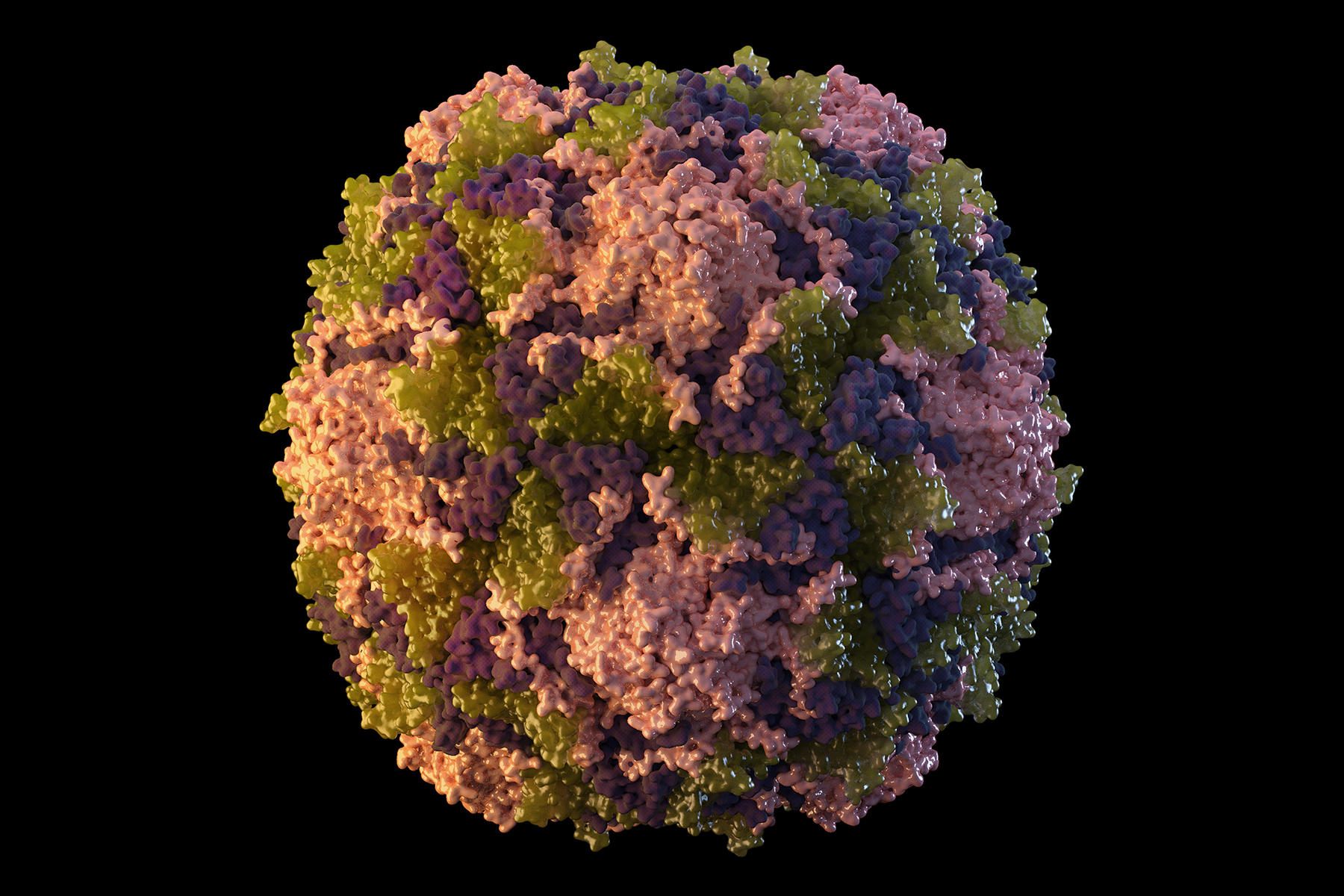
According to the CDC, about one in four people exhibit flu-like symptoms such as fever, fatigue and a headache, which clear up within a week. But in rare cases, polio can lead to paralysis and death.
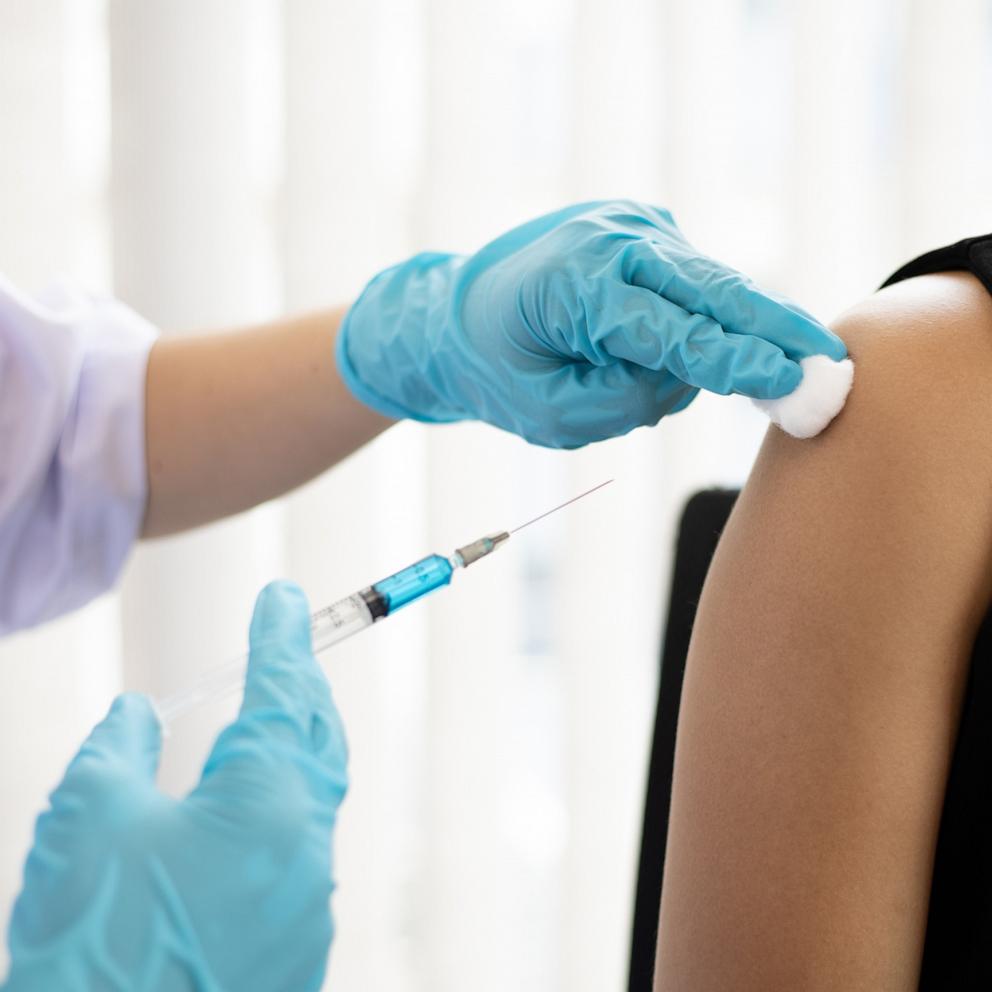
People can be protected against polio from two types of vaccines: an inactivated poliovirus vaccine given by injection and an oral polio vaccine containing a weakened version of the virus and given by mouth.
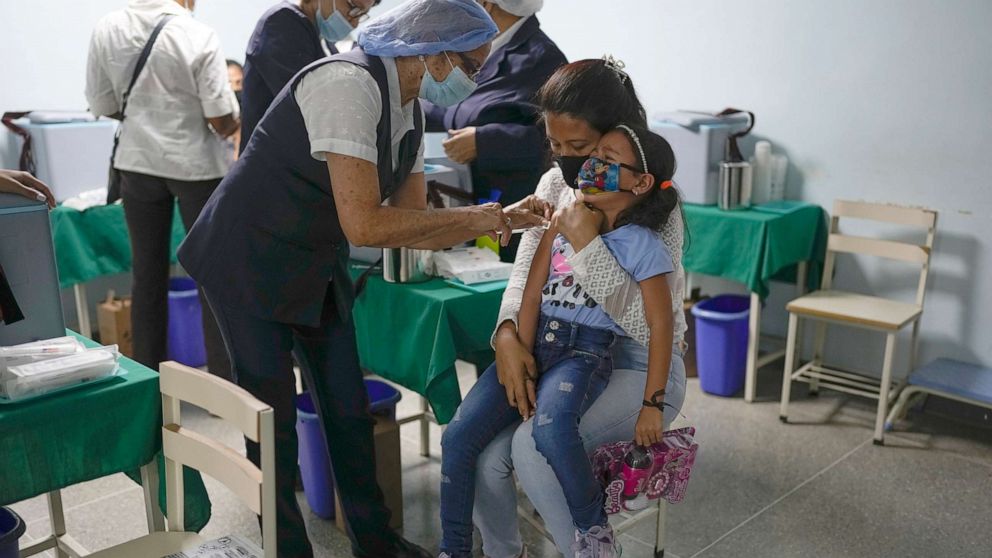
The oral polio vaccine played a massive role in the eradication of polio because it is cheaper and easier to administer than the injected vaccine, making it suitable for distribution, particularly in low- and middle-income countries.
"It's a live attenuated virus," said Dr. John Brownstein, an epidemiologist at Boston Children's Hospital and an ABC News contributor. "It's a weakened virus that provides really good immunity in the gut, where the virus replicates, and it sheds in stool, which can spread through sewage and help protect the community."
However, a potential, adverse effect of the oral vaccine is vaccine-derived poliovirus.
In rare cases, the virus spreading through sewage can affect those who are unvaccinated. This is different from wild polio, which infects people by circulating naturally in the environment.
Due to this risk, the oral vaccine was discontinued in the U.S. in 2000. New York health officials said the virus in the Rockland County patient likely originated in a country outside the U.S., where the oral vaccine is still given.
The NYSDOH said Friday that only 61% of Rockland County residents have been vaccinated against polio by age 2 compared to a 79% rate statewide, excluding New York City.
"There's likely transmission going on in the community and in an under-vaccinated community like the one in New York, it creates a susceptibility," Brownstein said. "But in those who are vaccinated, there's really no risk."
The New York case is not the first time that vaccine-derived polio has been detected in the U.S.
In 2005, it was found in the stool of a Minnesota child who was unvaccinated and immunocompromised, and likely caught from someone who received the oral vaccine in another country, according to the CDC. Seven other children subsequently contracted polio but none ended up paralyzed.
In 2013, an infant who was severely immunocompromised received the oral vaccine in India. The baby ended up contracting polio and dying from the infection, the CDC said.