Valuable Ebola Lessons the US Can Learn From Nigeria
— -- The Ebola virus continues to rage through West Africa, but a few countries in the region have managed to contain the outbreak. Case in pioint: After six weeks with no new cases, the World Health Organization declared Nigeria Ebola-free today.
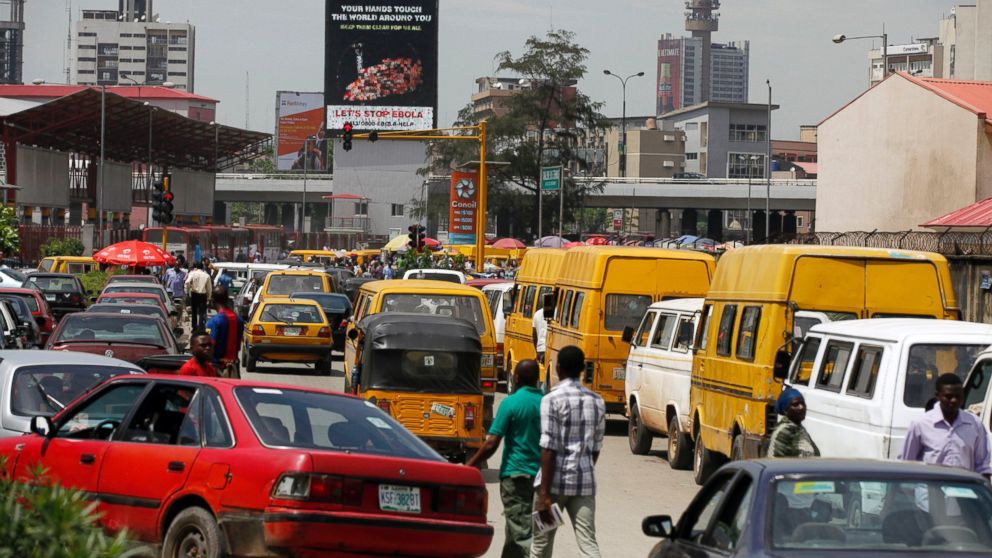
Ebola entered Nigeria, a country of 178 million people, in July when a sick passenger flew from Liberia into Lagos, Nigeria’s largest and busiest city. Once Nigerian health officials confirmed the traveler -- Liberian-American financial consultant Patrick Sawyer -- had Ebola, they acted quickly to contain it, said Erin Hohlfelder, the global health policy director for U2 frontman Bono’s ONE Campaign.
“From the minute they were aware of the first case, they established an emergency operations center with a coordinated effort by a central body with clear lines of accountability rather than a dispersed response,” Hohlfelder said.
John Vertefeuille, head of the U.S. Centers for Disease Control and Prevention’s Ebola response team in Nigeria, said contact tracing also played a key role in stopping the spread of the virus.
“Tracing was central to the success of the response,” he said.
Health officials set up a case management system to track and monitor patient contacts, Vertefeuille said. They followed nearly 900 people who were potentially exposed to Ebola, making 18,500 visits to check for symptoms, he pointed out.
And unlike many other West African countries where the virus has spread rapidly, Nigeria has a robust health care system in place, Vertefeuille said.
“Lagos has a lot of health assets including a large hospital system and a fleet of ambulances. It has a large health care workforce,” he said.
To strengthen its response even further, the government enlisted the help of international nonprofits such as ONE, Save the Children and Doctors Without Borders, groups that already had a presence in Nigeria with a staff experienced in responding to disease outbreaks. It also relied on the expertise of groups such as the CDC and WHO.
However, there were some missteps. One person infected with Ebola was too scared to come forward, evading a manhunt for several days before public health authorities were able to track him down. He eventually recovered from the virus but not before being treated by a doctor who later died.
Another setback: An elaborate social media prank urging Nigerians to drink excessive amounts of salt water to avoid catching the Ebola virus. The hoax spread like wildfire for several days in August. Two people died and at least 20 people were hospitalized as a result, according to the Nigerian newspaper Vanguard News.
To clamp down on the hysteria, the government asked politicians, teachers, religious leaders and celebrities to help communicate accurate information, said Edwin Ikhuoria, the Nigerian representative for the ONE campaign.
“Information on the dangers and method of spread of the virus was on radio, TV, billboards and SMS [text messaging] platforms,” he said, adding that the government also began promoting a message of anti-stigma to prevent any potentially infected people from going underground, which would have allowed the disease to spread off the public health radar.
In total, Nigeria had 20 confirmed cases before the outbreak was contained. Eight died of Ebola.
Vertefeuille said if there are lessons for the United States and the rest of the world for how they deal with Ebola it’s that it can be controlled with standard public health efforts.
“What we saw was two outbreaks in Nigeria –- we saw an Ebola outbreak and an outbreak of fear,” he said. “Countries can communicate the basics before there is an outbreak so that the public and health care workers know how to respond ahead of time.”