This is how wearables could catch early coronavirus symptoms
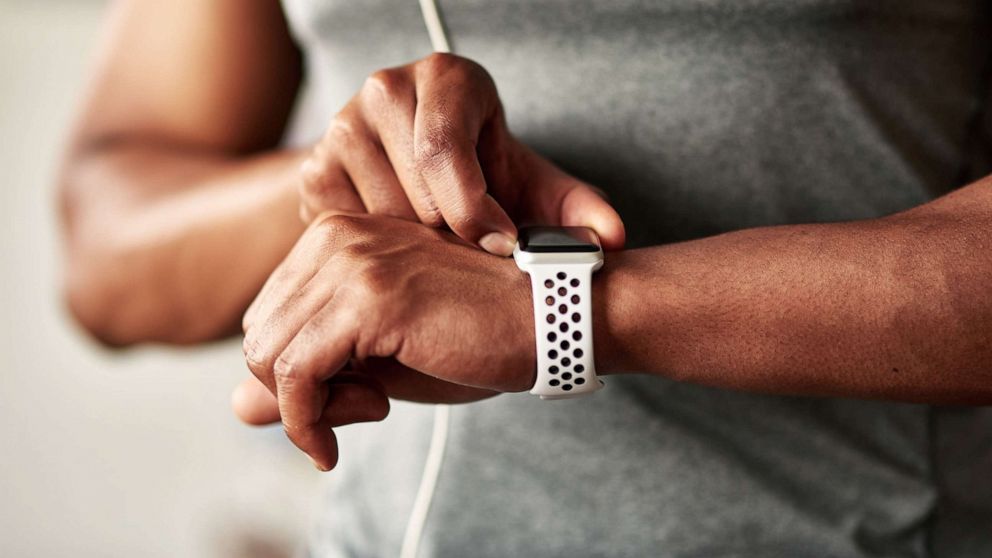
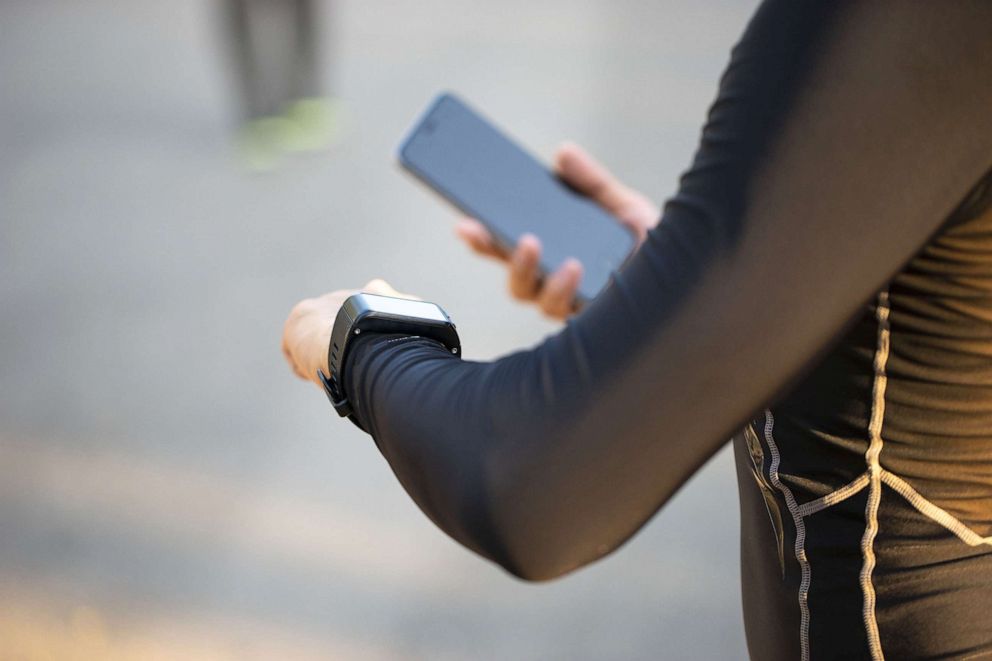
In the ongoing quest for COVID-19 solutions, some researchers have said they believe wearable devices -- Apple Watches and FitBits, products by Garmin and WHOOP -- may help provide early warning signs of possible illness.
One device in particular, the Oura ring, generated headlines when the company partnered with the NBA -- Sports Illustrated called it the "key to the NBA's restart."
"There's a huge amount of promise in these new technologies," said ABC News Contributor Dr. John Brownstein, chief innovation officer for the Boston Children's Hospital and a professor of epidemiology at Harvard Medical School.
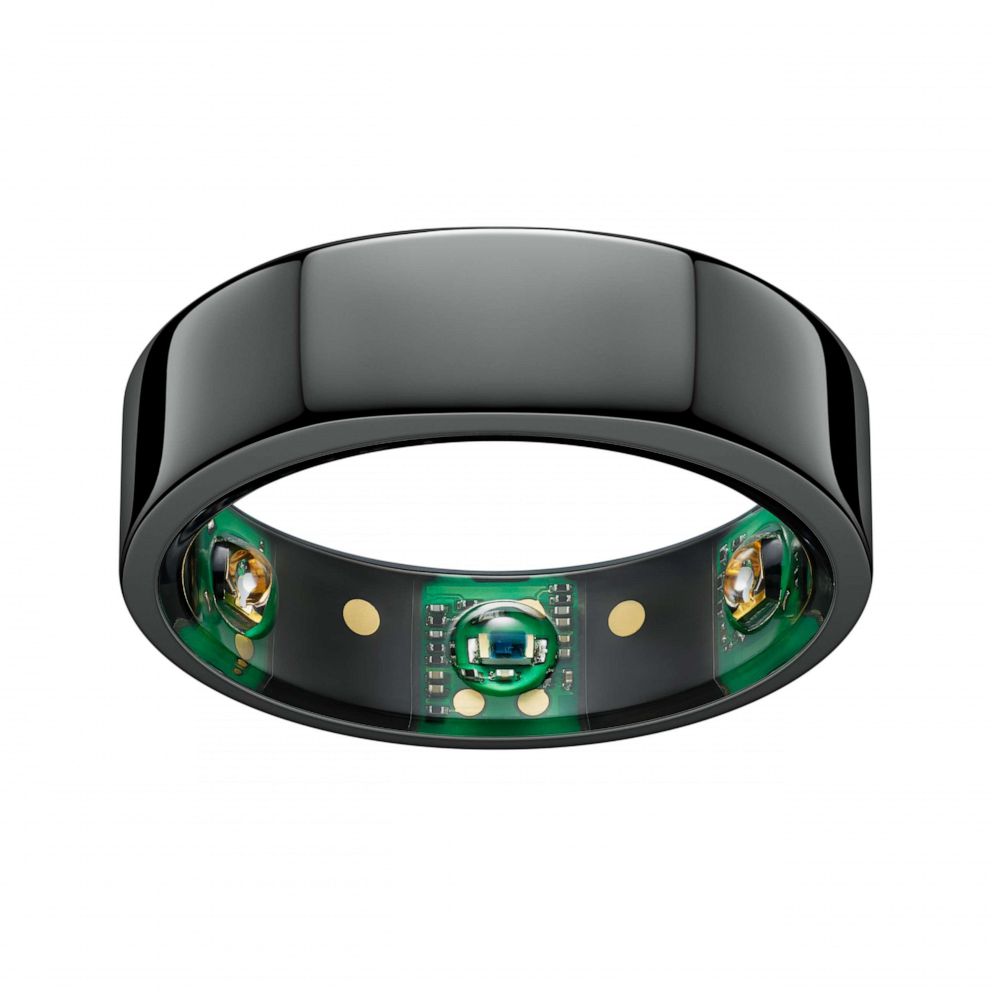
Because these devices are constantly collecting data on vital signs, they can detect subtle temperature and biometric changes that could hint at a COVID-19 infection, Brownstein said.
However, despite the Oura ring's promising potential to help diagnose COVID-19, the scientists studying it remind us that they haven't yet completed their research, and that it would be premature to jump to conclusions.
A group at the West Virginia University's Rockefeller Neuroscience Institute is currently looking at 800 health care workers and their wearable data. Meanwhile, a research group at the University of California, San Francisco is looking at more than 50,000 people.
The group at UCSF, led by Dr. Ashley Mason and Dr. Rick Hecht, is looking at two different groups -- 3,500 front-line health care employees and thousands of Oura ring users from the general population. By monitoring data collected from their devices, researchers hope to be able to study patterns to predict illnesses.
The group at West Virginia, led by Dr. Ali Rezai, connects the Oura ring to an app that tests users' alertness and other brain functions. They use artificial intelligence to analyze the data.
"We can quantify these biological cycles, and that leads to predictions of health and resilience," he said. He believes these data profiles, which include information on heart rates and temperatures and respiratory rates, can predict a person's illness before the onset of symptoms.
And the earlier a person's illness is detected, the easier it is to prevent the virus from spreading.
"We're looking at this asymptomatic and contagious stage," Rezai added. "Our goal is to detect it early in this phase and help people manage better with work and public safety."
But Oura CEO Harpreet Singh Rai cautioned against too much optimism.
"We'll never be a medical device," he said. "I'm not trying to be a replacement for testing, but we have a shortage of tests -- can we distribute those tests in a more informed manner? Probably."
Brownstein was similarly cautious, saying even if data from a wearable device suggests an illness, a full test would be required for confirmation.
"You can't really go buy a wearable and create a diagnosis of a particular condition," he added. "We have to be very careful in terms of over-interpreting the data."
That could lead to some people misinterpreting data, thinking they're sick when they're really not, resulting in unnecessary quarantines or work absences. Wearables, Brownstein stressed, should be viewed as "complementary but not a replacement for your health care provider or telemedicine visit, or the way that you're feeling."
There also are concerns over privacy. If employees, such as NBA players, are required to wear devices, exactly how much of their health data should be shared with their bosses?
"There is going to be a lot of pressure on these companies to have well-documented privacy and security policies," Brownstein said.
Still, researchers and doctors are excited about the technology.
"We never thought we'd be here doing this kind of work about COVID, but I think the world has changed and all of us as humans have had to change," Rai added. "We had to change and focus our priorities on something that could help our world the most."
Stephanie E. Farber, M.D., a plastic surgeon from Pittsburgh, is a contributor to the ABC News Medical Unit.