Weekly ER visits for tick bites reach highest level in nearly a decade. Will this season be worse?
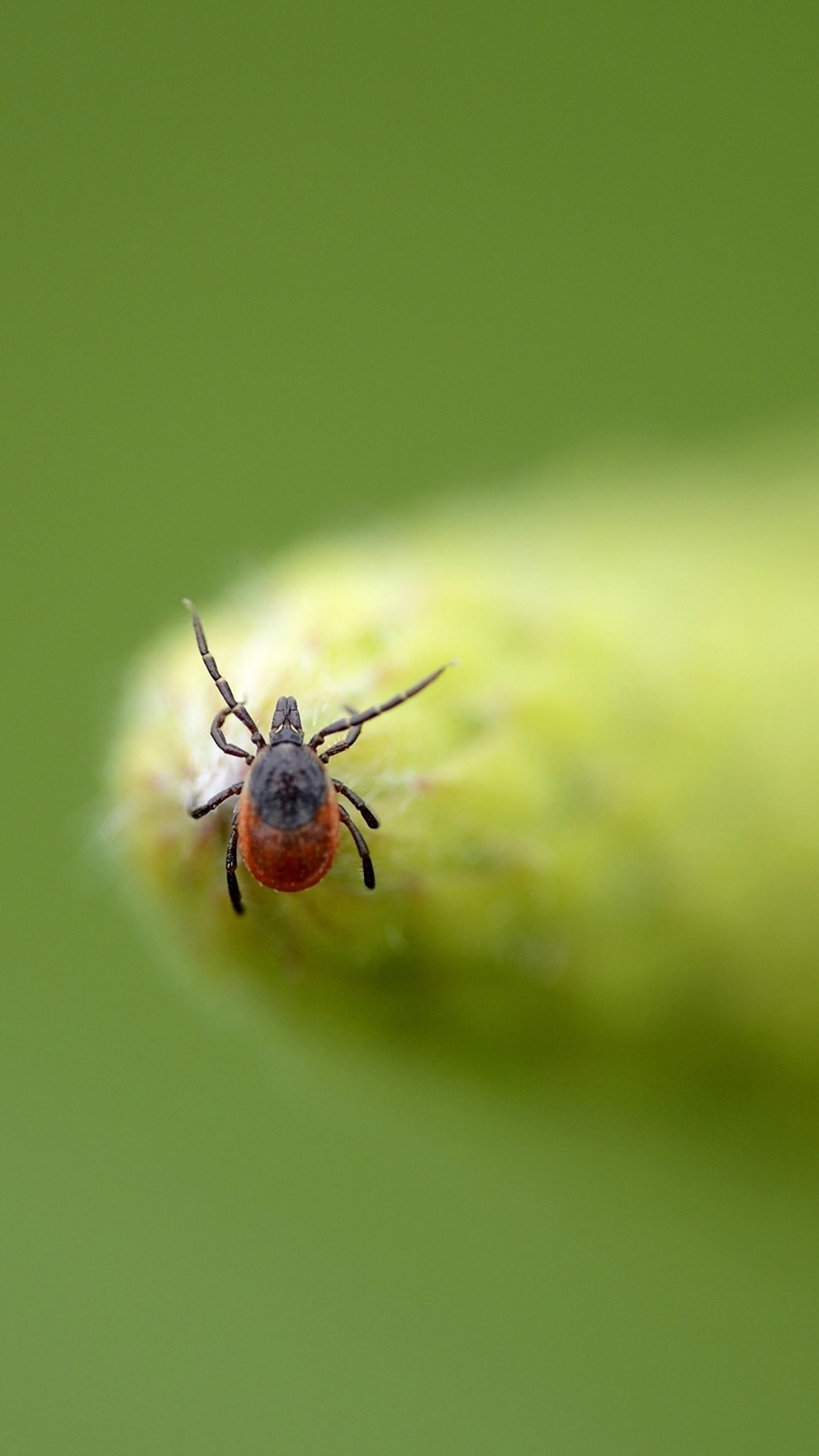
Weekly visits to emergency rooms for tick bites are at the highest level since at least 2017, according to data from the Centers for Disease Control and Prevention (CDC).
During the most recent week, 71 per 100,000 ER visits were due to tick bites, compared to the average of about 30 per 100,000 ER visits for this time of year, more than double from what is typical this time of year.
Currently, the Northeast is reporting the most ER visits for tick bites, followed by the Midwest, Southeast, West and South Central regions, respectively, CDC data shows.
"We're running well above historic average and even well above last year," Dr. John J. Halperin, chair of the New Jersey Stroke Care Advisory Panel and member of the department of neuroscience at Atlantic Health Overlook Medical Center in New Jersey -- who partly focuses on Lyme disease -- told ABC News.
"The ticks have started a little earlier. There seems to be a lot of them. A lot of people are going to the emergency room," he continued. "It's not entirely clear how much of this is increased recognition and as people become more aware of this, more going to the emergency room. But there seems to be a clear increase in the number of ticks out there."
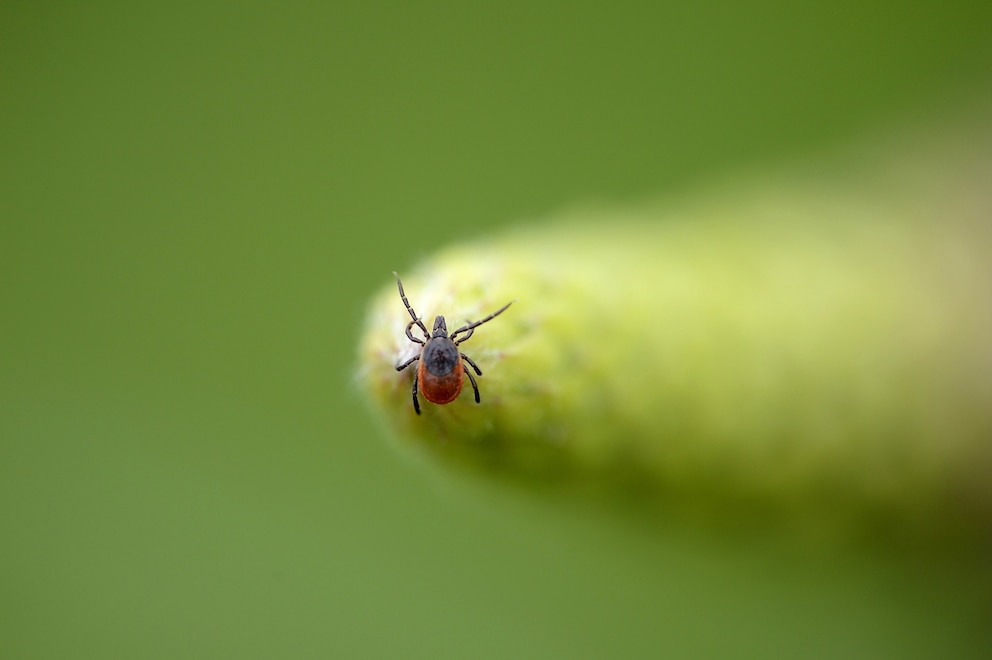
May is typically when ER visits for tick bites peak each year, and it remains unclear if the upward trend will continue.
Halperin said it is possible that the monthly April average will level out and match prior years.
"Spring and early summer are prime time for getting bitten by the locally youngest form of ticks, which are the main ones who get us humans," he said. "So, seeing a lot of them certainly means an increased risk."
Tick-borne diseases have been on the rise in recent years and scientists suspect it is partly linked to climate change, which has caused shorter winters, earlier springs and hotter summers.
Dr. Christopher Bazzoli, an emergency medicine physician at Cleveland Clinic, said because of increased tick populations, in conjunction with warmer weather and heavy rains, it is likely some tick populations grow earlier in the season.
"Ticks tend to become active when the temp reaches 45 degrees [Fahrenheit] or more," he told ABC News. "If [temperatures] stay higher into the fall, we could also see a longer tick season."
Halperin said that in addition to climate change, there has been an increase in the recognition of certain tick-borne diseases.
"One big change ... was the CDC changed what they would allow to be called a confirmed case of Lyme disease and really loosened the criteria," he said. "So, there was a huge bump in the reported numbers."
The CDC recommends that people avoid wooded and brushy areas with high grass and leaf litter and stay in the center of trails when hiking. The agency also recommends using Environmental Protection Agency-registered insect repellents containing at least 20% DEET, 20% picaridin as the listed active ingredient or other approved ingredients, but to avoid use for children under the age of 3.
"The thing to appreciate is these ticks have a strongly preferred habitat," Halperin said. "They spend much of their lives in low brush. Their preferred reservoir host is the field mouse. Field mice carry Lyme disease ... and if a tick lodges on that field mouse, it picks up the infection, and they can give it to us. The first thing you could do is stay away from areas where there might be field mice and ticks."
The CDC also recommends treating outdoor clothing and gear with 0.5% permethrin, an insecticide and repellent, which remains effective even after multiple washes.
Halperin suggests doing a tick check at the end of the day. If you find one, he recommends using fine-tip tweezers, placing them between the skin and the tick and pulling to remove the tick.
Bazzoli recommended cleaning the area and taking a picture of the tick to identify it and what type of disease it could possibly be carrying.