Winter could bring health crises to Ukraine, WHO says

The World Health Organization is warning Ukraine could face several health crises this winter as its war with Russia enters its eighth month.
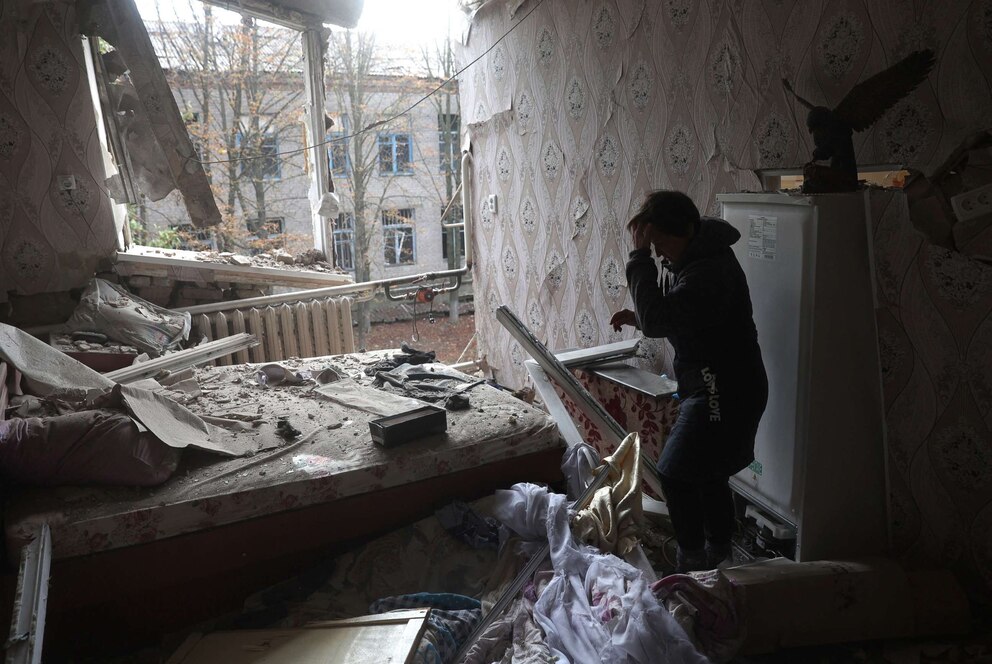
According to the Ukrainian government, more than 800,000 houses have been damaged or destroyed since the start of the war in addition to other structures and buildings.
During a press conference Friday, Hans Kluge, the WHO's regional director for Europe, said this means thousands of Ukrainians are now living in collective centers or damaged buildings without enough resources to protect them against the freezing weather.
The latest escalation in fighting will likely only add to these challenges, he said.
"Too many people in Ukraine are living precariously, moving from location to location in substandard structures, or without access to heating," Kluge told reporters. "This can lead to frostbite, hypothermia, pneumonia, strokes and heart attack. Destruction of houses and lack of access to fuel or electricity due to damaged infrastructure could be a matter of life if people are unable to heat their homes."
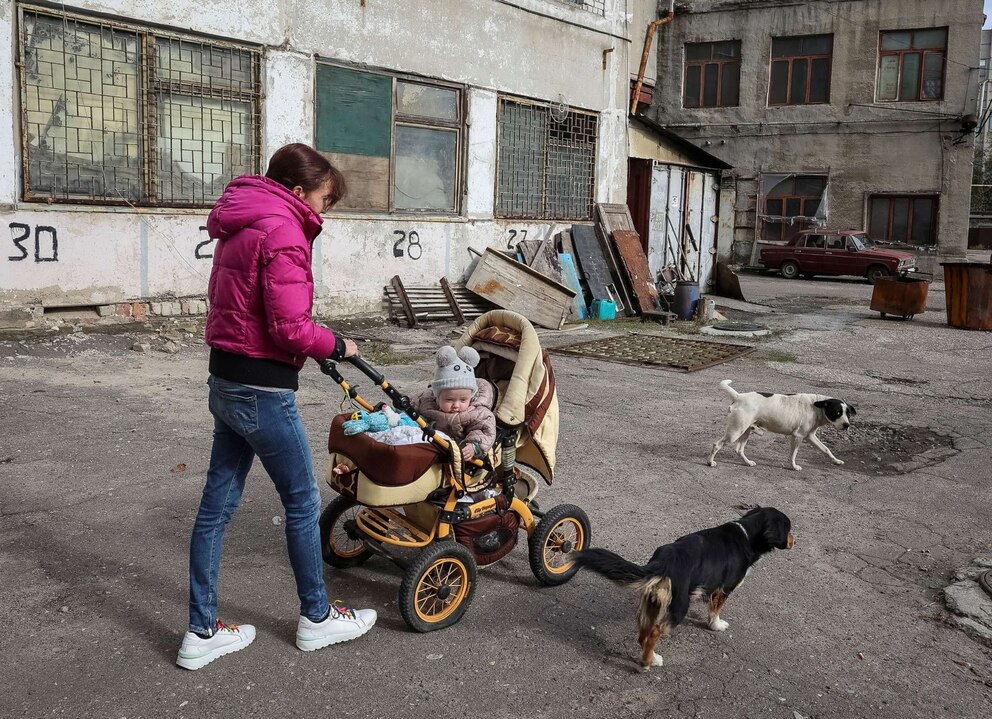
He warned the season will be especially dangerous for at-risk, vulnerable populations including the elderly, those with underlying conditions, pregnant women, women who have just given birth and newborns.
According to the WHO, there have been 620 attacks on health care facilities since the war began.
Because of this, the agency has been committed to helping rebuild as well as train health care workers in several areas including trauma surgery, mass casualties, exposure, epidemiology and laboratory diagnostics.
"[This] complements ongoing efforts to bring in life-saving medical supplies, over 1,300 metric tons so far. Supplies such as power generators for health care facilities, oxygen, ambulances, surgical kits, medicines to treat non-communicable diseases and vaccines," Kluge said.
Kluge said he is also worried about the spread of respiratory diseases, including COVID-19, during the winter.
WHO data shows that only about 34% of the country is fully vaccinated against COVID-19, with a little more than 15.1 million doses administered.
What's more, a WHO report released Wednesday showed weekly cases across Europe reached 2.8 million this week, compared to 1.5 million the previous week.
"Indeed, we have seen COVID cases rise sharply in recent weeks, as they have elsewhere in the WHO European region," Kluge said. "We must prepare for an increased burden of respiratory diseases this autumn and winter as seasonal influenza course replete with such COVID."
The country has also been trying to beat back a polio outbreak since October 2021 due to low immunization rates. During that period, at least one child was identified with paralytic polio and 19 other children have been infected but not paralyzed, according to the United Nations Children's Fund.
Kluge added that it's not just Ukrainians' physical health that could be at risk but mental health as well.
"Earlier this week, on World Mental Health Day, we noted that almost 10 million people at the present time are potentially at risk of mental disorders such as acute stress, anxiety, depression, substance use and post-traumatic stress disorder," he said. "This estimate was made before this week's escalation of hostilities."