World Health Organization to Debate Ethics of Using Experimental Ebola Drug in Outbreak
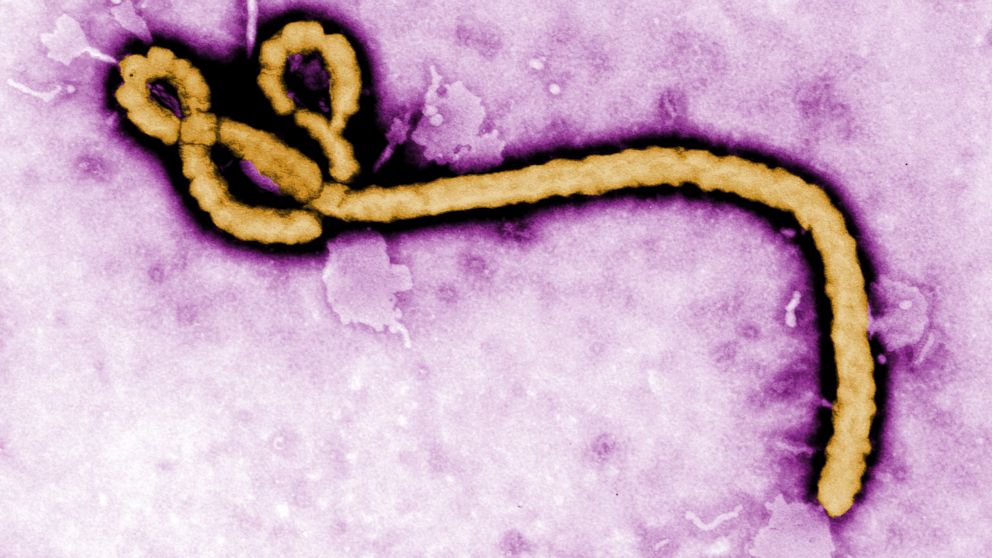
— -- A panel of World Health Organization ethicists will discuss whether to use experimental drugs in the West African Ebola outbreak that has killed 932 people since March.
Two American patients have received an experimental Ebola drug called ZMapp made by Mapp Pharmaceuticals, a 9-person company in San Diego.
Why We Don’t Have an Ebola Vaccine Yet
Ebola-Stricken Doc Gives 'Experimental Serum' to Coworker
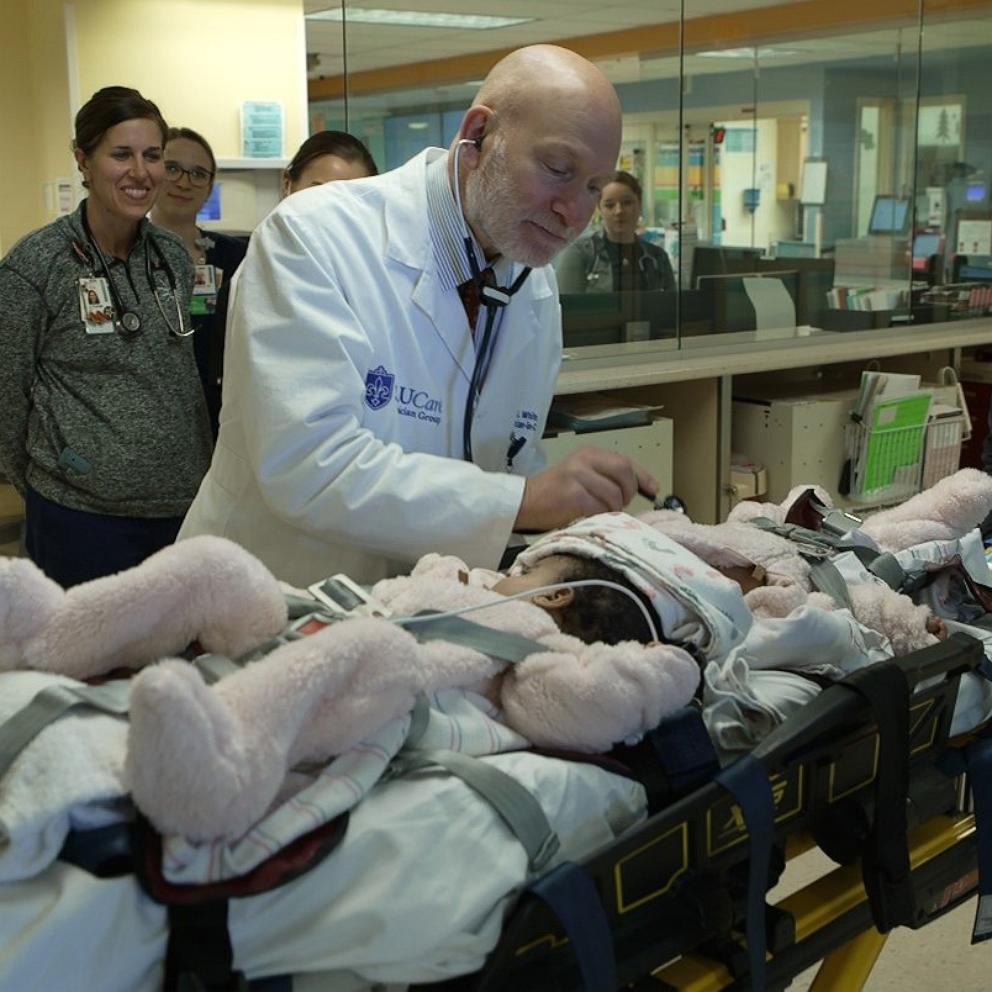
American Nurse With Ebola Back in US, Making 'Slow Improvement'
The drug -- made of monoclonal antibodies derived from plants -- had been shown to work in monkeys within two days of infection, but it had never been tested in humans before. The patients, Dr. Kent Brantly and missionary Nancy Writebol, have since been flown from Liberia to Emory University Hospital in Atlanta, where they are reportedly improving.
“We are in an unusual situation in this outbreak. We have a disease with a high fatality rate without any proven treatment or vaccine,” Dr. Marie-Paule Kieny, WHO’s Assistant Director-General, said in a statement. "We need to ask the medical ethicists to give us guidance on what the responsible thing to do is.”
ZMapp is one of several experimental Ebola treatments, but there is no approved vaccine or cure for the deadly virus.
Given that even unproven treatments are in short supply, the WHO panel will also discuss who should receive them.
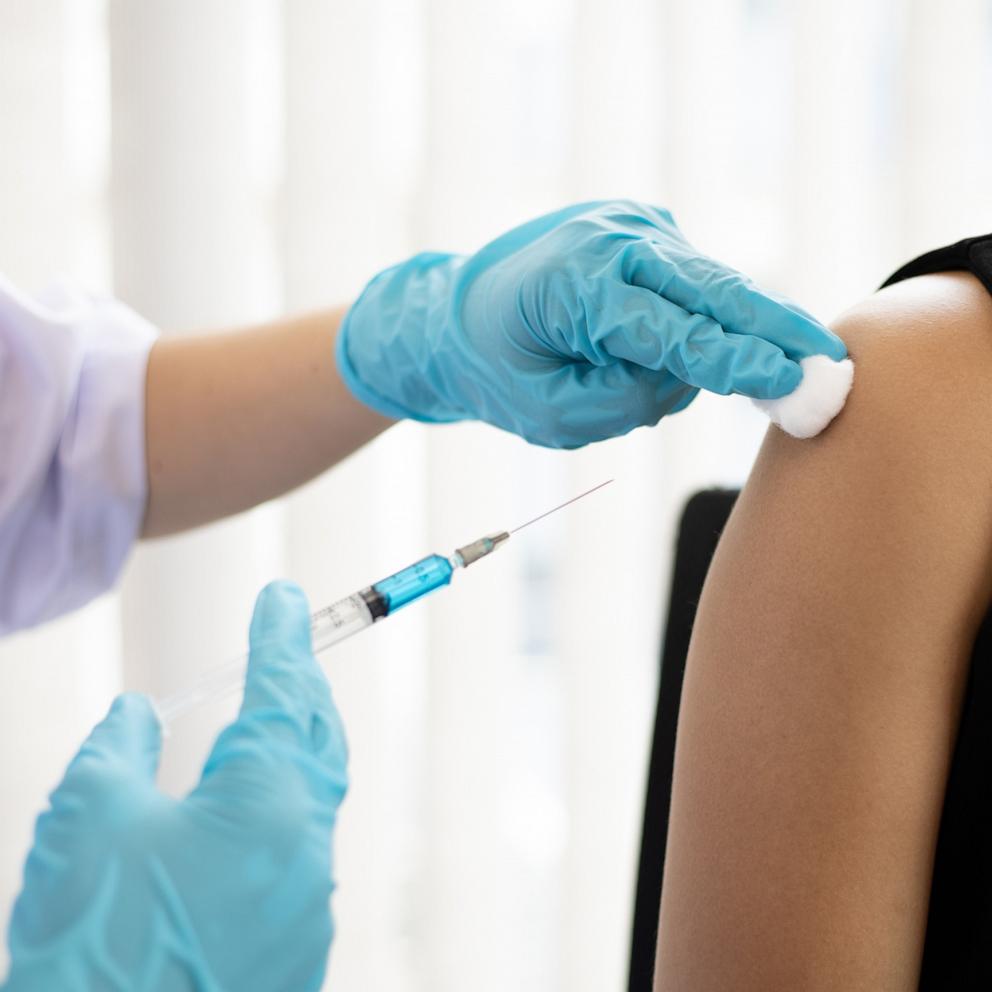
The first human clinical trial of an Ebola vaccine is set to begin sometime in September, said Dr. Anthony Fauci, director of the National Institute of Allergy and Infectious Diseases at the National Institutes of Health. If successful, it will likely take until mid- or late-2015 before a limited number of health care workers can receive the vaccine, he said.
Get real-time updates as this story unfolds. To start, just "star" this story in ABC News' phone app. Download ABC News for iPhone here or ABC News for Android here.