• Video
  • Shop
  • Culture
  • Family
  • Wellness
  • Food
  • Living
  • Style
  • Travel
  • News
  • Book Club
  • Newsletter
  • Privacy Policy
  • Your US State Privacy Rights
  • Children's Online Privacy Policy
  • Interest-Based Ads
  • Terms of Use
  • Do Not Sell My Info
  • Contact Us
  • © 2026 ABC News
  • Wellness

Younger adults responsible for most of COVID-19 spread: Study

2:28
Coronavirus explained
Universal Images Group via Getty Images
ByIvan Pereira
February 04, 2021, 12:33 AM

A new study reaffirms that although severe coronavirus illness and death impact the elderly the most, younger adults are the cause of the spread.

Americans between 20 and 49 years old were responsible for more than 70% of the spread of COVID-19 last year, according to the study from the Imperial College London's Department of Mathematics.

The report, which was published in Science on Tuesday, noted that deaths during the late summer and fall were mostly among people over 50 years old and not the younger population

Related Articles

MORE: 'Wrecked our lives': Families of 3 young adults who died from COVID-19 share heartbreaking stories

"This addresses this underlying false narrative ... that if you guard the most vulnerable, you can let the virus run rampant," said Dr. John Brownstein, an epidemiologist at Boston Children's Hospital and ABC News contributor. "If you let it run rampant in the younger age groups it will still affect the elderly and vulnerable groups."

People eat at Little Saigon in Orlando, Fla., Sept. 27, 2020.
Universal Images Group via Getty Images

As the country begins to continue to come back from the second surge in cases and increases vaccination, the paper's authors called for young adults to heed health warnings to curb the spread.

The researchers used mathematical equations, mobility data and other information to determine the correlation between age groups and coronavirus spread.

The report concluded that one of the biggest factors behind the spread was general movement of young and middle-aged adults among themselves.
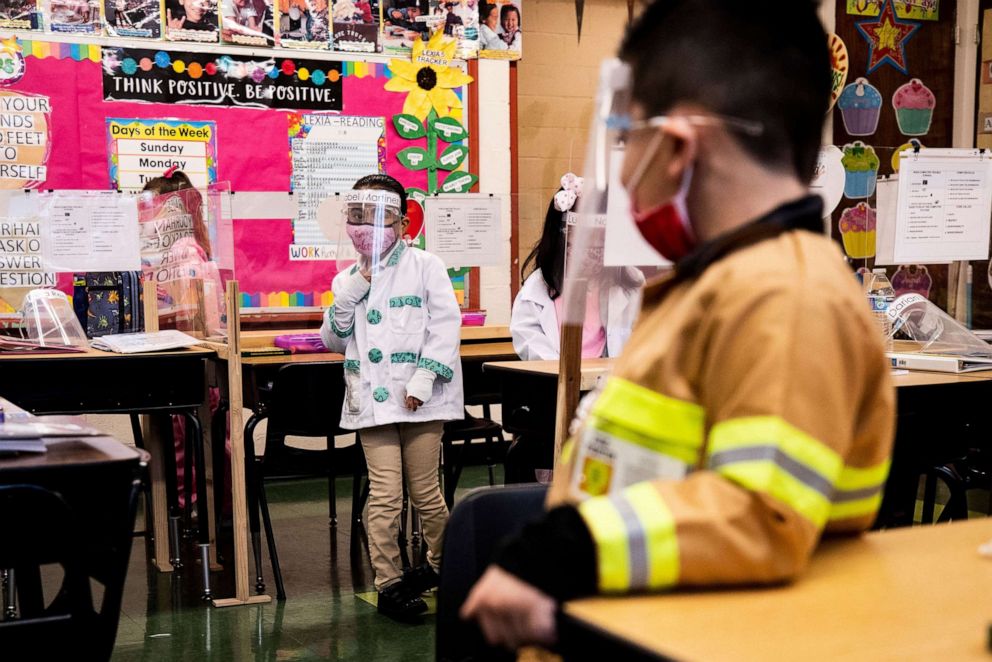
PHOTO: Kindergarten students wearing face shields and masks attend class at the Resurrection Catholic School amid coronavirus pandemic as the school reopens its doors for the first time in Boyle Heights, East Los Angeles, Calif., Feb. 1, 2021.
Kindergarten students wearing face shields and masks attend class at the Resurrection Catholic School amid coronavirus pandemic as the school reopens its doors for the first time and celebrates frontline workers in Boyle Heights, East Los Angeles, Calif., Feb. 1, 2021.
Etienne Laurent/EPA via Shutterstock

"Certain age groups, like young adults, were letting their guard down," said Brownstein, who was not involved in the study. "[The report] puts more responsibility on those in the younger age groups who were trying to live a normal life and had a bit of a COVID fatigue."

Related Articles

MORE: Kids and coronavirus: CDC finds 'little evidence' of transmission in schools

The paper's authors also found that after schools reopened in the fall, children and teens between the ages of 0 and 19 years old contributed to 15% of the COVID-19 cases. Children did not have as much mingling with other groups, according to the report.

"This adds to the growing body of knowledge that allowing school-age kids back to classrooms with good protocols in place won't be the main driver of transmission in the community," Brownstein said.
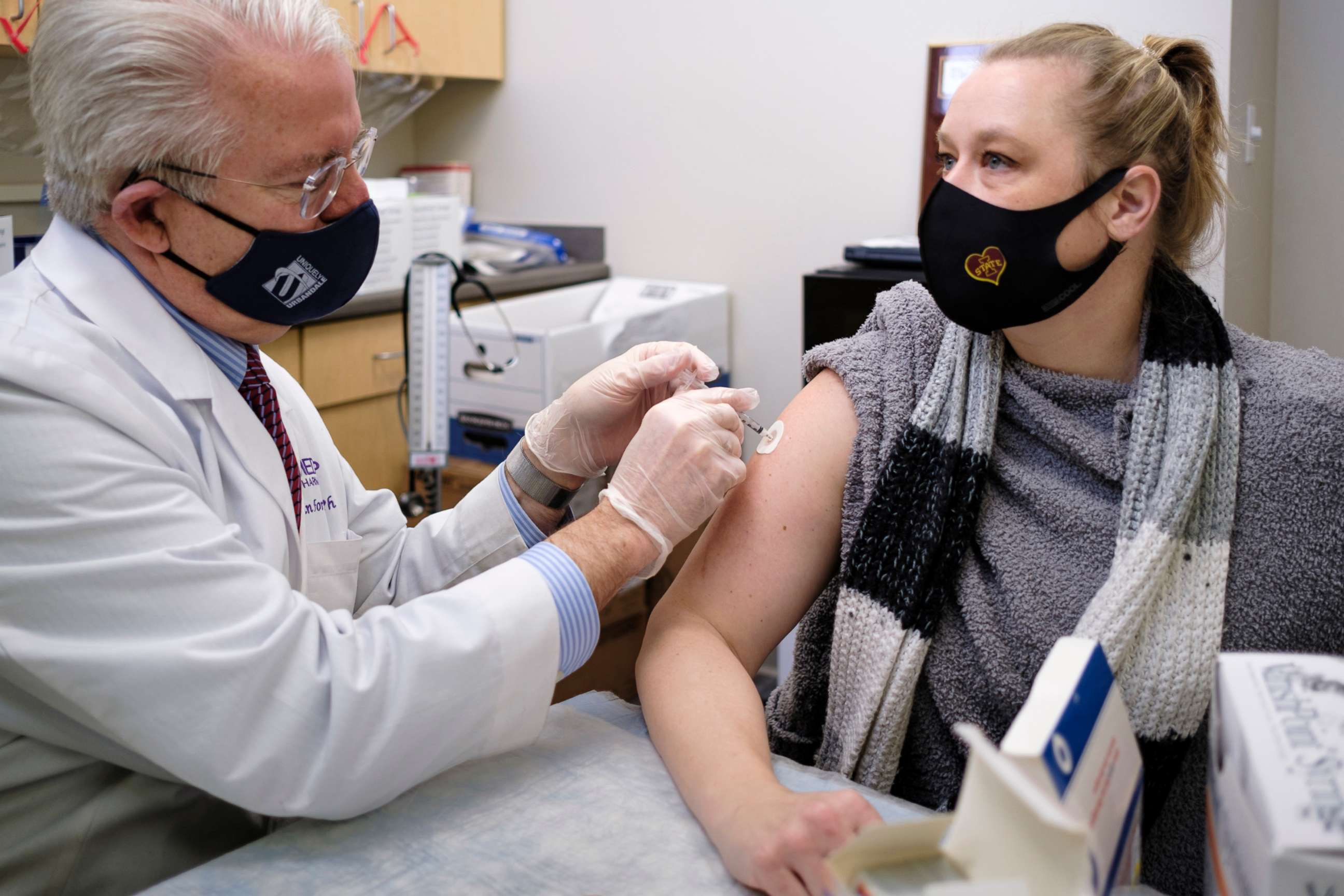
Pharmacist John Forbes gives the Moderna GOVID-19 vaccine to Meghan Bohlander, a physician's assistant, at the Medicap Pharmacy in Urbandale, Iowa, Jan. 5, 2021.
Jack Kurtz/ZUMA Wire via Newscom

The report said that "additional interventions among adults aged 20-49" would prevent COVID-19 spread.

"I think that we know we need to get the vaccine out to the most vulnerable, but strategies that allow us to blend different age groups and more access is also good," Brownstein said. "If we have excess supply ... it is OK to extend it to others."

ABC News' Eric Strauss contributed to this report.
Up Next in Wellness—

Doctor breaks down study showing GLP-1s may lower breast cancer risk

June 3, 2026

Identical twin doctors return to lead hometown hospital ER

June 3, 2026

Experimental pancreatic cancer drug offers new hope in major trial

June 1, 2026

Inhaled insulin now FDA-approved for kids 6 and over with diabetes

May 29, 2026

Shop GMA Favorites

ABC will receive a commission for purchases made through these links.

Sponsored Content by Taboola

The latest lifestyle and entertainment news and inspiration for how to live your best life - all from Good Morning America.
  • Contests
  • Terms of Use
  • Privacy Policy
  • Do Not Sell My Info
  • Children’s Online Privacy Policy
  • Advertise with us
  • Your US State Privacy Rights
  • Interest-Based Ads
  • About Nielsen Measurement
  • Press
  • Feedback
  • Shop FAQs
  • ABC News
  • ABC
  • All Videos
  • All Topics
  • Sitemap

© 2026 ABC News
  • Privacy Policy— 
  • Your US State Privacy Rights— 
  • Children's Online Privacy Policy— 
  • Interest-Based Ads— 
  • Terms of Use— 
  • Do Not Sell My Info— 
  • Contact Us— 

© 2026 ABC News