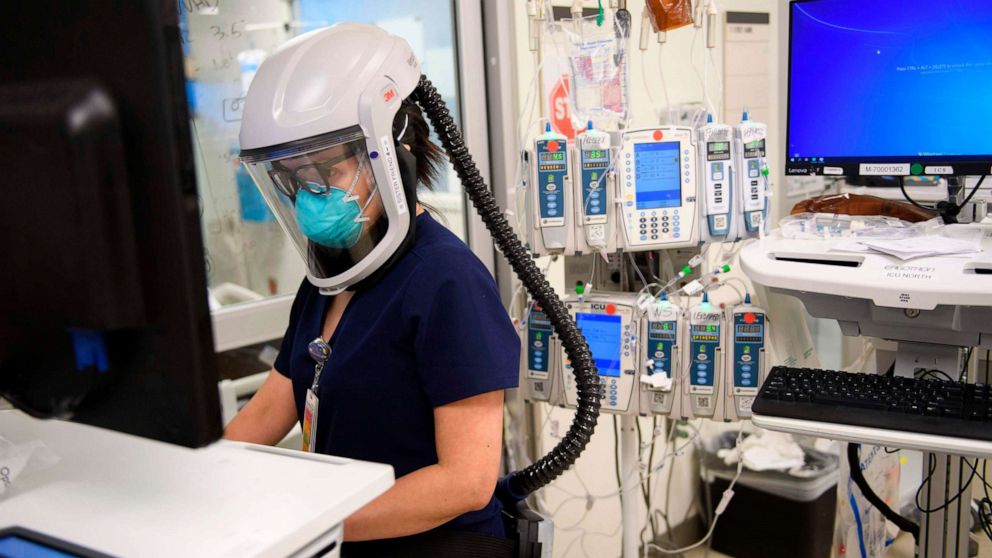
A pandemic of the novel coronavirus has now infected more than 90 million people worldwide and killed over 1.9 million of them, according to real-time data compiled by the Center for Systems Science and Engineering at Johns Hopkins University.
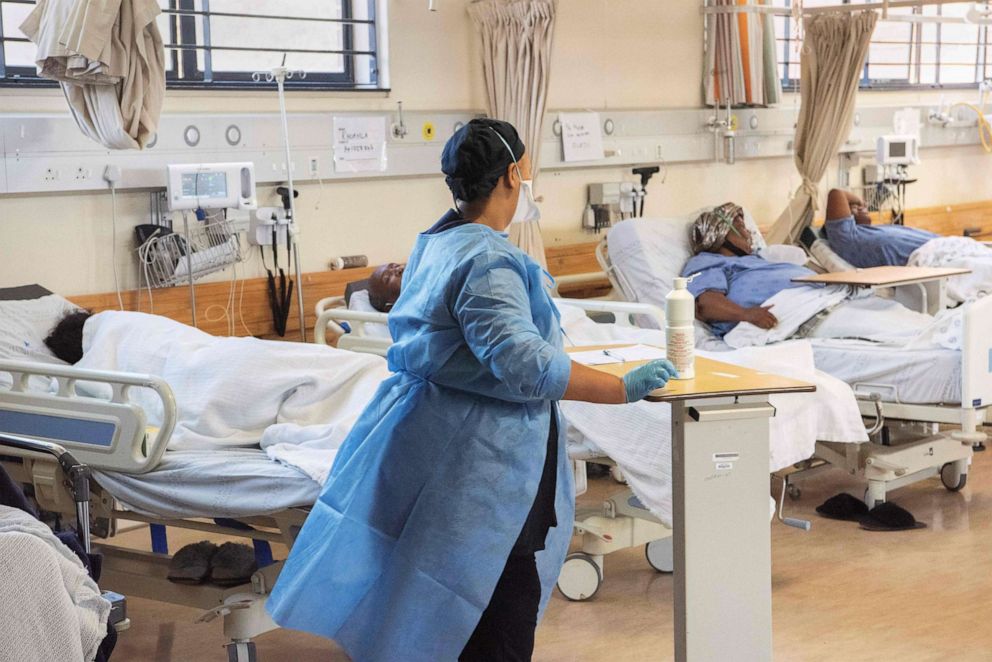
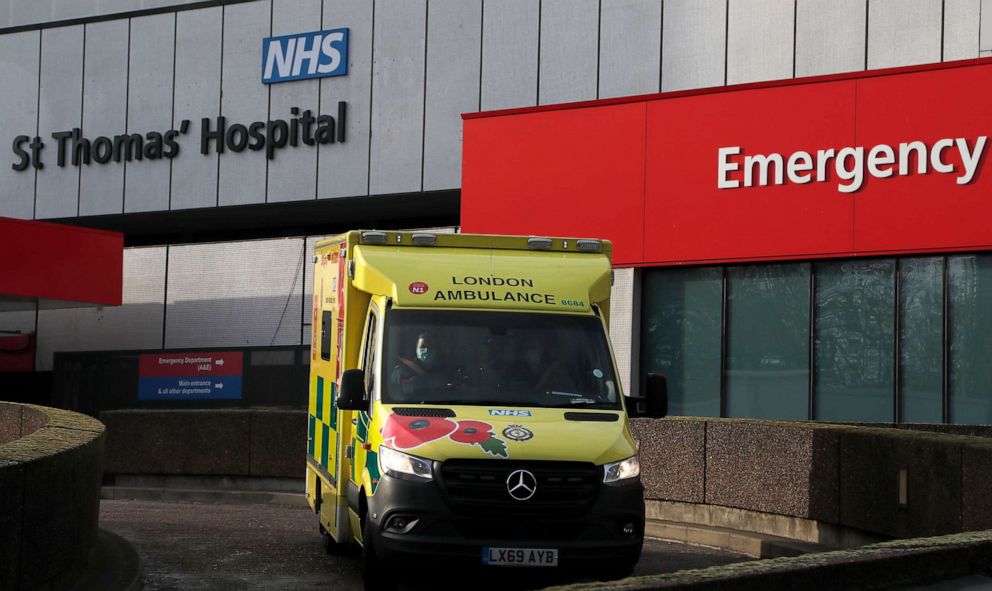
A pandemic of the novel coronavirus has now infected more than 90 million people worldwide and killed over 1.9 million of them, according to real-time data compiled by the Center for Systems Science and Engineering at Johns Hopkins University.
The game between the Miami Heat and the Boston Celtics Sunday night has been postponed after Miami announced it does not have the minimum eight players available because of ongoing COVID-19 contact tracing, ESPN reported.
Earlier Sunday, Heat guard Avery Bradley was placed into the health and safety protocol and was ruled out for Sunday night's game.
— Miami HEAT (@MiamiHEAT) January 10, 2021
The Celtics were set to play with the minimum eight players after nine players were ruled out, including seven because of the NBA's health and safety protocols.
The NBA postponed a Dec. 23 game between the Oklahoma City Thunder and the Houston Rockets after the Rockets didn't have the minimum number of available players.
The coronavirus pandemic has affected at least 90 million people worldwide, according to data from John Hopkins University's Coronavirus Resource Center.
There were an additional 10 million global cases reported over the last 15 days, the data showed.
As of Sunday, 1,931,571 COVID-19 deaths have been reported around the globe, Johns Hopkins said.
The United States leads the world with cases and deaths, according to the data.
As of Sunday, the U.S. has 22,293,281 cases, roughly a quarter of the total world cases, and 373,588 deaths, roughly 19% of the world's deaths, Johns Hopkins reported.
California's coronavirus surge continues to worsen, according to new data released Sunday by the state's Health Department.
The state recorded 49,685 new cases after administering a record 473,076 tests, the Health Department said. There were 468 new fatalities on Sunday, according to the Health Department.
All metrics were over 1% increases from the previous day, the health data showed. Since the start of the pandemic, California has 2,670,962 confirmed cases of COVID-19 and 29,701 deaths, the Health Department said.
As of Jan. 9, 734,405 coronavirus vaccine doses have been administered, according to the Health Department.
The United Kingdom saw another day of rising coronavirus cases, deaths and hospitalizations, according to the British government.
The nation recorded 54,940 new cases Sunday, bringing the total number of cases to 3,072,349, the health data showed. The seven-day average for new cases rose from 21,698 on Dec. 10 to 61,106 on Jan. 1, the British government said.
The U.K. saw 563 new COVID-19-related fatalities Sunday, according to the health data. The country has 81,431 total deaths since the start of the pandemic, the government said.
There are currently 32,294 people hospitalized in Britain. The seven-day average for new hospital admissions rose from 1,728 on Dec. 10 to 3,345 on Jan. 1, officials said.
A new variant of the novel coronavirus identified in South Africa is "even more of a problem" than the highly contagious strain spreading rapidly in the United Kingdom, according to British Health Secretary Matt Hancock.
"I’m incredibly worried about the South African variant, and that’s why we took the action that we did to restrict all flights from South Africa," Hancock said in an interview Monday on BBC Radio 4's "Today" program.
"This is a very, very significant problem," he added, "and it’s even more of a problem than the U.K. new variant."

Last month, the U.K. introduced a ban on travelers who have been in or transited through South Africa in the last 10 days due to an "increased risk" from the country's variant, called 501Y.V2. The travel ban does not apply to British or Irish nationals, U.K. visa holders and permanent residents, but they must self-quarantine.
The new rule comes as the U.K. grapples with a new, more contagious variant of the novel coronavirus that was identified in Kent in September. The strain, called B117, is currently prevalent in London and other parts of southeast England. It was also confirmed in the United States for the first time on Tuesday.
The South Africa variant was detected in the U.K. for the first time last week, linked to a contact of someone who had been in South Africa.

South African scientists say 501Y.V2 emerged after the first epidemic wave in a severely affected metropolitan area, Nelson Mandela Bay, located on the coast of South Africa's Eastern Cape province.
"This lineage spread rapidly, becoming within weeks the dominant lineage in the Eastern Cape and Western Cape provinces," researchers wrote in a scientific paper published last month. "Whilst the full significance of the mutations is yet to be determined, the genomic data, showing the rapid displacement of other lineages, suggest that this lineage may be associated with increased transmissibility."
South Africa, a nation of 57 million people, has reported more than 1.1 million confirmed cases of COVID-19 since the start of the pandemic, including at least 29,577 deaths. The country makes up for nearly 40% of all confirmed COVID-19 cases in Africa, a continent of 1.2 billion people, according to the latest data from the Africa Centers for Disease Control and Prevention.
The U.K., an island nation of 66 million people made up of England, Scotland, Wales and Northern Ireland, has reported more than 2.6 million confirmed cases of COVID-19 since the start of the pandemic, including at least 75,024 deaths, according to the latest data from the U.K. government. A count kept by Johns Hopkins University shows the U.K. currently has the sixth-highest total of diagnosed cases in the world.