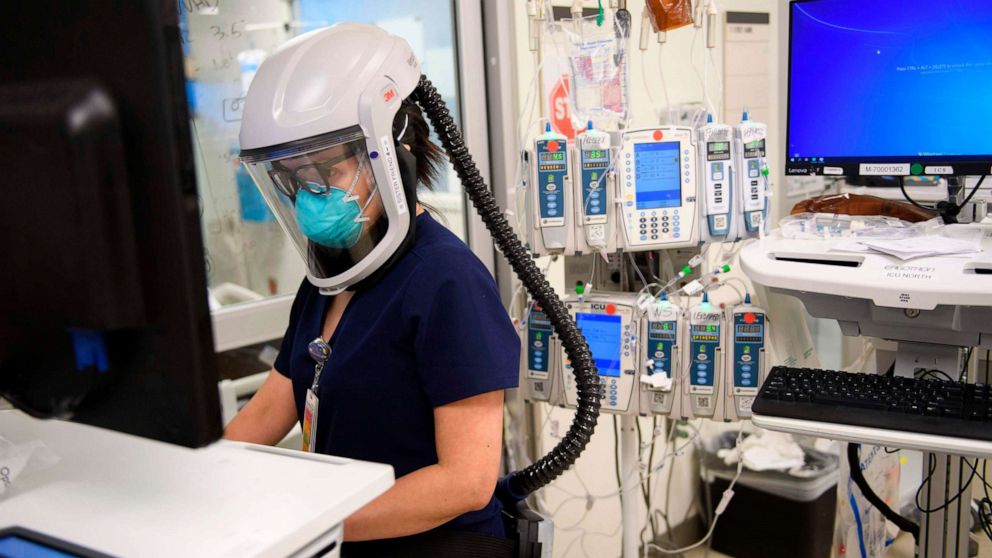
A pandemic of the novel coronavirus has now infected more than 90 million people worldwide and killed over 1.9 million of them, according to real-time data compiled by the Center for Systems Science and Engineering at Johns Hopkins University.
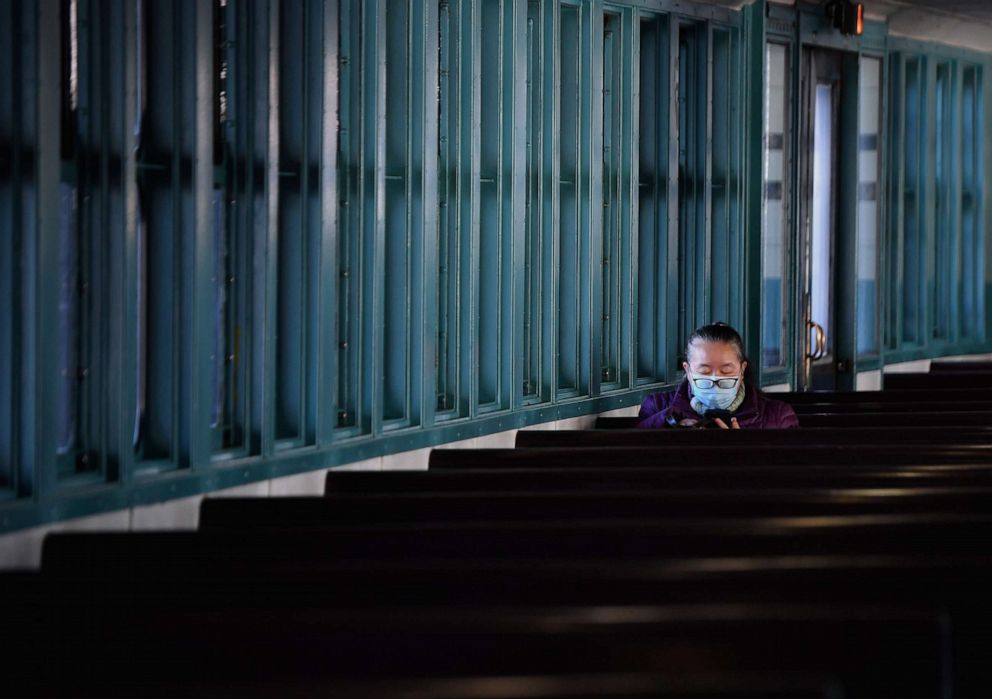
A pandemic of the novel coronavirus has now infected more than 90 million people worldwide and killed over 1.9 million of them, according to real-time data compiled by the Center for Systems Science and Engineering at Johns Hopkins University.
The game between the Miami Heat and the Boston Celtics Sunday night has been postponed after Miami announced it does not have the minimum eight players available because of ongoing COVID-19 contact tracing, ESPN reported.
Earlier Sunday, Heat guard Avery Bradley was placed into the health and safety protocol and was ruled out for Sunday night's game.
— Miami HEAT (@MiamiHEAT) January 10, 2021
The Celtics were set to play with the minimum eight players after nine players were ruled out, including seven because of the NBA's health and safety protocols.
The NBA postponed a Dec. 23 game between the Oklahoma City Thunder and the Houston Rockets after the Rockets didn't have the minimum number of available players.
The coronavirus pandemic has affected at least 90 million people worldwide, according to data from John Hopkins University's Coronavirus Resource Center.
There were an additional 10 million global cases reported over the last 15 days, the data showed.
As of Sunday, 1,931,571 COVID-19 deaths have been reported around the globe, Johns Hopkins said.
The United States leads the world with cases and deaths, according to the data.
As of Sunday, the U.S. has 22,293,281 cases, roughly a quarter of the total world cases, and 373,588 deaths, roughly 19% of the world's deaths, Johns Hopkins reported.
California's coronavirus surge continues to worsen, according to new data released Sunday by the state's Health Department.
The state recorded 49,685 new cases after administering a record 473,076 tests, the Health Department said. There were 468 new fatalities on Sunday, according to the Health Department.
All metrics were over 1% increases from the previous day, the health data showed. Since the start of the pandemic, California has 2,670,962 confirmed cases of COVID-19 and 29,701 deaths, the Health Department said.
As of Jan. 9, 734,405 coronavirus vaccine doses have been administered, according to the Health Department.
The United Kingdom saw another day of rising coronavirus cases, deaths and hospitalizations, according to the British government.
The nation recorded 54,940 new cases Sunday, bringing the total number of cases to 3,072,349, the health data showed. The seven-day average for new cases rose from 21,698 on Dec. 10 to 61,106 on Jan. 1, the British government said.
The U.K. saw 563 new COVID-19-related fatalities Sunday, according to the health data. The country has 81,431 total deaths since the start of the pandemic, the government said.
There are currently 32,294 people hospitalized in Britain. The seven-day average for new hospital admissions rose from 1,728 on Dec. 10 to 3,345 on Jan. 1, officials said.
There were 180,477 new cases of COVID-19 confirmed in the United States on Monday, according to a real-time count kept by Johns Hopkins University.
Monday's tally is less than the all-time high of 297,491 new cases, which the country logged on Jan. 2, Johns Hopkins data shows.
An additional 1,903 deaths from COVID-19 were also registered nationwide on Monday, down from a peak of 3,750 on Dec. 30, according to Johns Hopkins data.
COVID-19 data may be skewed due to possible lags in reporting over the holidays followed by a potentially very large backlog.

A total of 20,823,345 people in the U.S. have been diagnosed with COVID-19 since the pandemic began, and at least 353,621 of them have died, according to Johns Hopkins data. The cases include people from all 50 U.S. states, Washington, D.C., and other U.S. territories as well as repatriated citizens.
Much of the country was under lockdown by the end of March as the first wave of pandemic hit. By May 20, all U.S. states had begun lifting stay-at-home orders and other restrictions put in place to curb the spread of the novel coronavirus. The day-to-day increase in the country's cases then hovered around 20,000 for a couple of weeks before shooting back up over the summer.
The numbers lingered around 40,000 to 50,000 from mid-August through early October before surging again to record levels, crossing 100,000 for the first time on Nov. 4 and reaching 200,000 for the first time on Nov. 27.