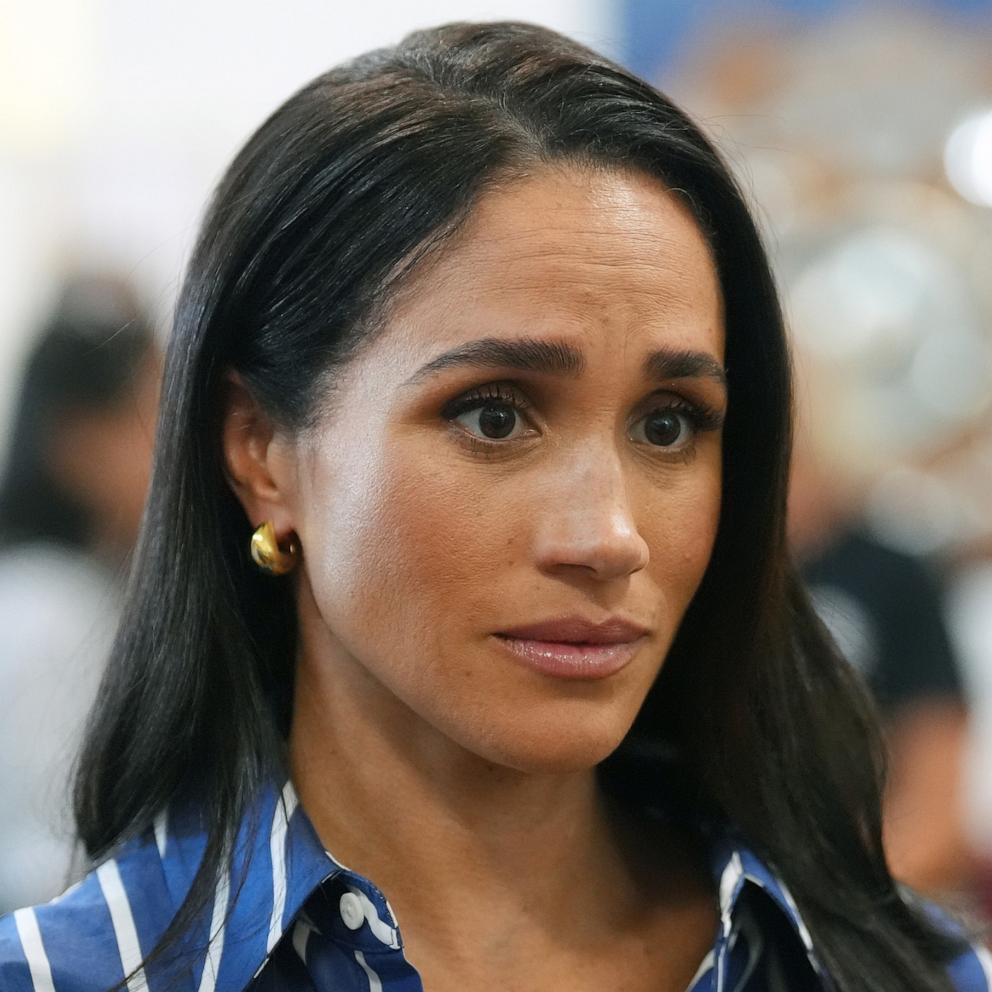
'Bachelorette' alum Katie Thurston shares update on breast cancer diagnosis: 'The medicine is still working'

Former "Bachelorette" star Katie Thurston is opening up about her metastatic breast cancer diagnosis.
Thurston spoke with "Good Morning America" co-anchor Robin Roberts on Thursday and provided an update on her condition.
"We actually just did my six month scan earlier this week, and the medicine is still working. The tumor is still shrinking. And when you're Stage 4, that's really all you can hope for," said Thurston.
She also shared advice for young women, reinforcing the need to be vigilant about protecting yourself from breast cancer, even before the age of 40, the age at which the U.S. Preventive Services Task Force -- a federally appointed group of experts whose conclusions guide medical decision making and determine some insurance policies -- suggests women begin screening with a mammogram every other year.
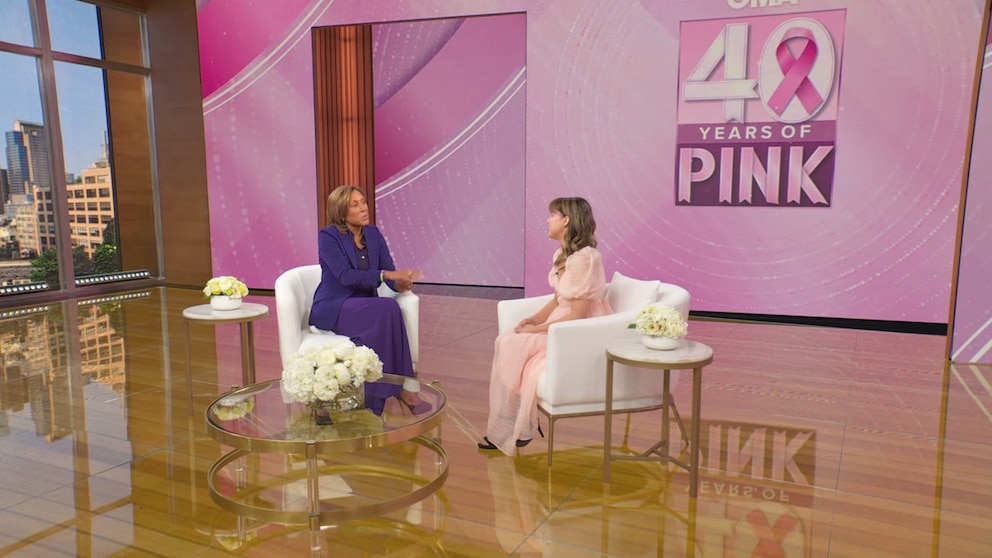
Thurston received her diagnosis when she was 34-years-old.
"Breast cancer really can happen before you're 40," Thurston said, adding that it is common for women to think that "cancer is reserved for later in life."
"That is just simply not the case, and I've met so many women under 40 who have been diagnosed," she said.
Elsewhere in the interview, she explained, "I think the biggest thing is be so familiar with your breasts, and bring it to your doctor if something feels off or looks off. Age is nothing but a number at this point."
Thurston also highlighted the Breast Cancer Research Foundation, calling it "an amazing nonprofit."
"They show up for the community, they've shown up for me," she said, spotlighting the group's funding efforts in metastatic breast cancer research.
The reality star said medical advancements within the last 10 years have given her hope in her diagnosis. "I refuse to view this as terminal illness or a death sentence," she said. "I really trust medicine and the future of breast health. That's kind of what keeps me going each day."
Thurston also touched on her March marriage to comedian Jeff Acuri, who she said initially postponed his comedy tour after her diagnosis. According to Thurston, Acuri is now donating $1 from each ticket sale from that tour to the Breast Cancer Research Foundation and matching with a donation of his own.
"In total, we are looking at about $80,000 that we are going to be donating," she said.
In an Instagram post Wednesday, Thurston shared details from her six-month check-in, posting what appeared to be an email with summary results from a recent scan.
"Next month I would have had surgery to remove my breasts but opted to wait longer," she wrote. "Major surgery requires pausing medication for an extended period of time. It is my hope that one day those scans can't detect the cancer anymore. But for a six month check-in, this is really good news. 💕."

Thurston, 34, who previously starred on the 17th season of "The Bachelorette" and the 25th season of "The Bachelor," first revealed her breast cancer diagnosis in a February 2025 Instagram post.


Thurston said the road to her diagnosis began when she noticed a small lump on one of her breasts, a symptom of breast cancer that she said she initially dismissed.
She was later diagnosed with Stage 3 triple-positive ductal carcinoma, a type of cancer where tumor cells have estrogen receptors, progesterone receptors, and HER2 receptors on their surface, according to the U.S. National Cancer Institute.
Thurston later revealed the breast cancer had spread to her liver, escalating the disease to Stage 4.
Most women with average risk for breast cancer should start screening at age 40 and get screened every other year through age 74, according to guidance from the USPSTF.
Breast cancer screening tools include a mammogram, or an X-ray picture of the breast. Because dense breast tissue may make a mammogram more difficult to interpret, and may make detecting cancer more difficult, according to the National Institutes of Health, women with dense breasts may be called back for follow-up testing, including ultrasound and/or magnetic resonance imaging.
According to StatPearls, an online medical resource published by the National Library of Medicine, women at higher risk of breast cancer may also receive an MRI scan.
Throughout their lifetime, women should also watch for new lumps, skin changes and nipple changes, including unusual discharge, pain and redness, StatPearls states.