As 'I can't breathe' haunts America, Sekou Andrews' poem reflects cycle of injustice
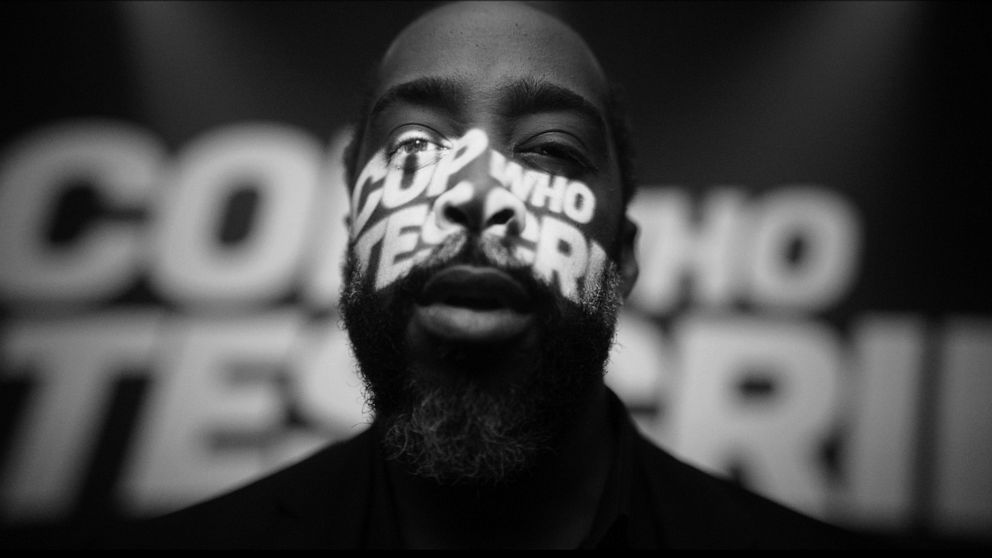
"This is why love says it has always been the cause of every war and the reason for every truce. Maybe that is all love is really saying. Come find me. Even when you have everything to lose. Come find me. In the open palm of your enemy until you discover an unfathomable friend."
These are words from "Love Says," a poem by Grammy-nominated spoken word poet Sekou Andrews. The story of the poem's making itself reflects the cycle of racial injustice and the cyclical relationship between love and hate.
About six years ago, an orchestra conductor approached Andrews about writing poems for a show reimagining "West Side Story" -- the iconic musical about love reaching across lines of social divides and conflict.
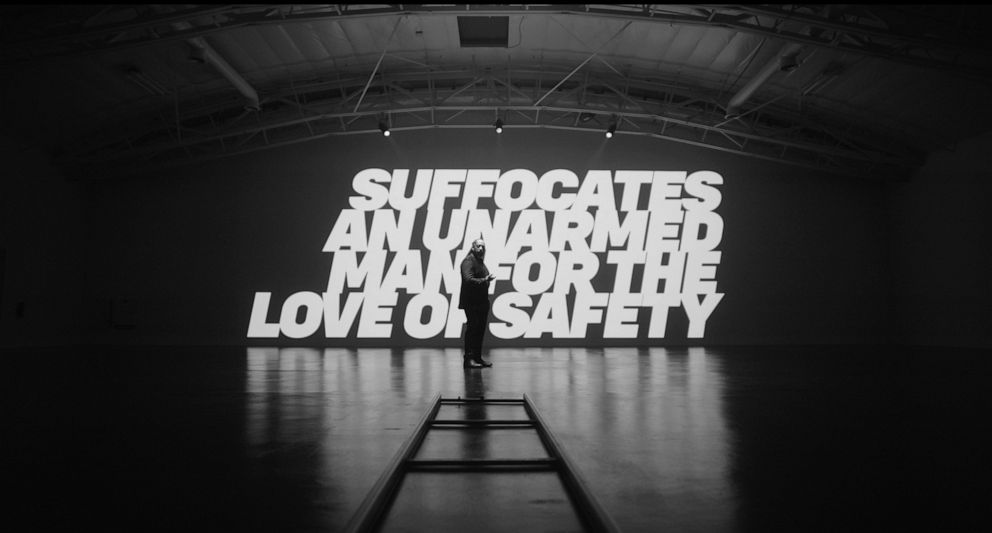
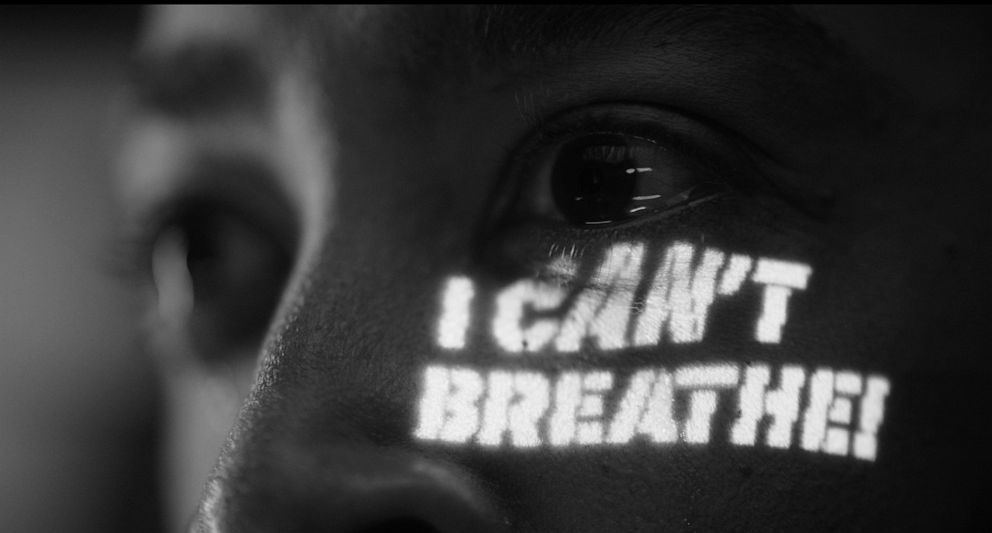
"As I was writing it, then the Eric Garner case happened. And so that's why the piece culminated in 'I can't breathe' because those were the words that were haunting America's ears," Andrews told ABC News.
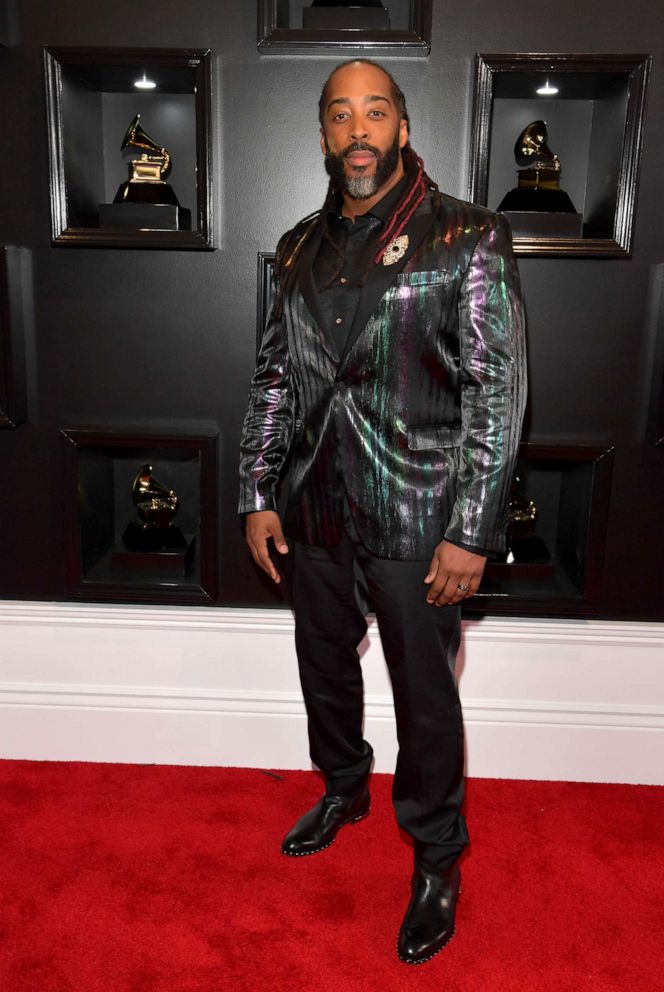
"Love Says" was included on the album "Sekou Andrews and the String Theory," which was nominated for best spoken word album at the 2019 Grammys.
The day before Los Angeles went into shutdown mode due to the COVID-19 pandemic, Andrews and The String Theory just finished shooting a video for "Love Says," but the release of the video was put on hold.
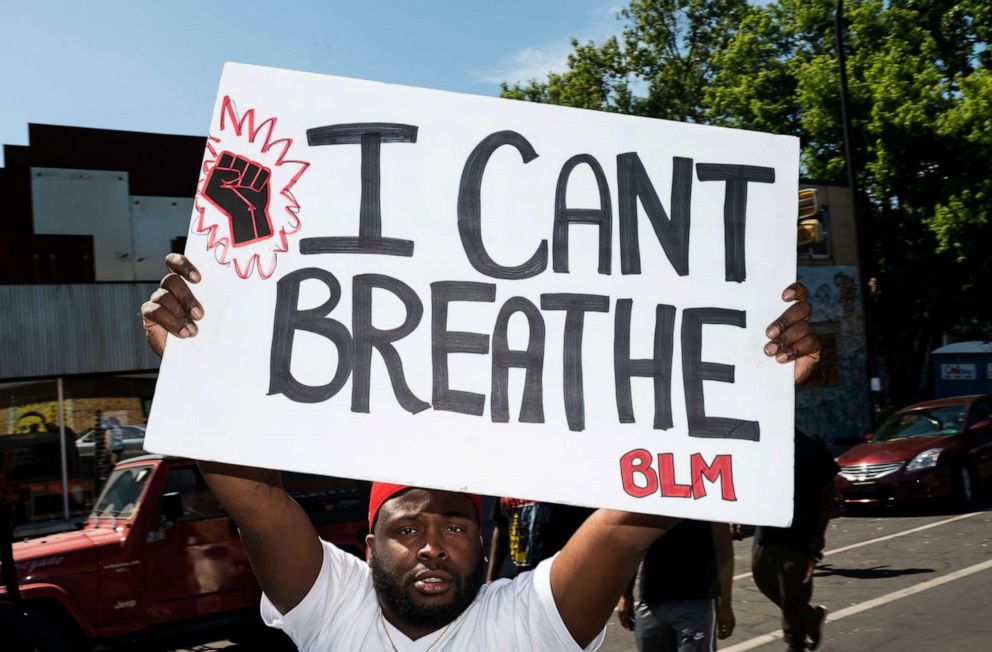
But a couple of months later, the phrase "I can't breathe" haunted America again with the police killing of George Floyd.
Derek Chauvin, the police officer charged with third-degree murder in connection with the death of the Minneapolis man, had his knee on Floyd's neck for nearly nine minutes during which Floyd is heard saying, "I can't breathe."
"This piece to me, is even more powerful in the sense that it's, it's a reflection, not just of this moment of social injustice and racial injustice, but of the continuum of social and racial injustice that has existed," Andrews said, pointing to similarities in the police killings of Garner and Floyd.
Floyd's death sparked the most widespread civil rights movement in America, reaching all 50 states and even other countries. It was amid that movement that the Grammy-nominated poet decided to release the film for "Love Says" and dedicate it to Color of Change, the nation's largest online racial justice organization.
The nearly 5-minute video was released on Thursday to mark the anniversary of the 1964 Civil Rights Act and was directed and edited by filmmaker Mischa Meyer.
"Love isn't just a feeling, it's an action. Art has always been a central component of social change, it has the power to move people and Sekou's newest film is a powerful example of how creators can drive audiences to loving action with their work," president of Color Of Change Rashad Robinson said in a statement to ABC News.
Andrews said that in the poem he wanted to explore the notion that "love conquers all," which is the message of "West Side Story" and of William Shakespeare's "Romeo and Juliet," which inspired the musical.
But Andrews wanted to dig deeper.
"I didn't want to trivialize it by just having the message stop there," Andrew said, explaining that as he dissected what love is and what hate is, he discovered a relationship between the two powerful emotions and a key to understanding each other is not just understanding what each of us hates, but also what each of us loves.
"The more I dissected those, the more I found myself going, well, the people that hate this thing, love that thing. The people that hate this thing and are fighting for that thing, it's because they love this thing and they're fighting for that thing," Andrews said, "And so there's this really complicated, convoluted sort of duality -- the double-edged sword around this concept of love, where this relationship between love and hate are two sides of the same coin, or of the same person."
Andrews has been a full-time poet for 18 years after quitting his job as a fifth-grade teacher. He grew up in Berkley, California, where his parents introduced him to social justice issues and activism.
While he has not experienced police brutality himself, Andrews said he's experienced "'being Black while' in all sorts of ways," which is the profiling and targeting of Black men and women as they do basic tasks like driving, shopping or going out for a run.
Andrews said that in the Black community, "there's an internalization" of police brutality "because we experienced it so often as a culture and because we know that we fear so many of the same qualities of the people that are experiencing it."
"We always feel like that next one could be us … I'm always one profile away, I'm always one flick of a siren button away, I'm always one, movement that was too sudden away from becoming a George Floyd."