Born Without Eyes and Ultrasound Couldn't See
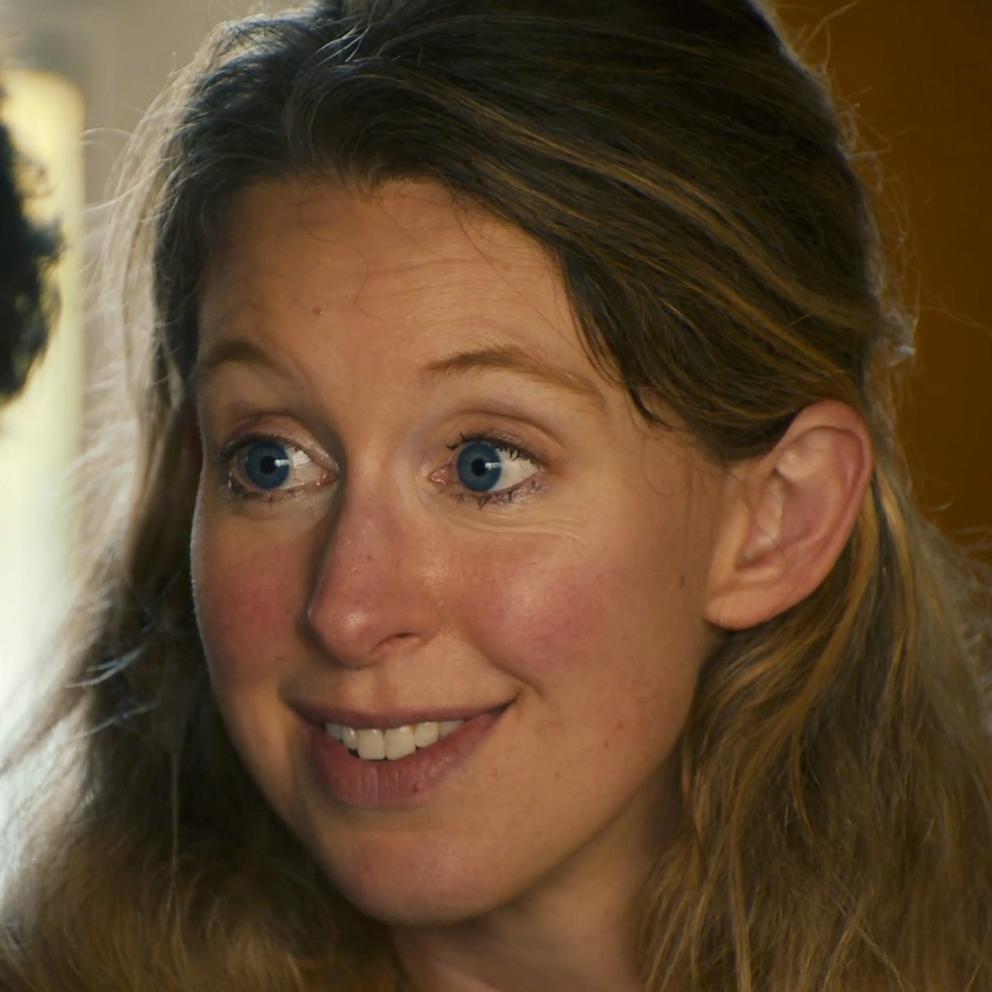
Jan. 28, 2010— -- When Taylor Garrison gave birth in October, she was astonished that doctors whisked her daughter, Brielle, out of the delivery room without much explanation.
"They took her out of the room, and they wouldn't let us see her," said Garrison, 15, of Wellington, Fla.
Finally, after six hours of tests, Garrison got to look briefly at her baby and see what doctors were so concerned about.
"She looked like a normal baby, but I could just tell something was wrong," Garrison said.
Brielle was born without any eye tissue at all, a condition called anophthalmia that leaves a person irrevocably blind.
Garrison also learned this rare diagnosis was one that is almost always missed by ultrasound -- even though hundreds of genetic diseases and deformities once discovered at birth can now be detected with the latest ultrasound technology.
"If you look at the ultrasounds, where the eye sockets are they're just black because the eyes are made of water," Garrison said. But Brielle's eye sockets were just empty.
Dr. Aaron Fay, director of Ophthalmic Plastic Surgery at the Massachusetts Eye and Ear Infirmary, is currently treating 10 patients with the rare disorder.
The condition of either partially (microphthalmia) or completely missing eye tissue occurs in 30 in 100,000 births, and although in concept, Fay said, doctors could perhaps see the missing eyes in utero with an MRI, it is rarely diagnosed in the womb.
"There are skeletal stigmata that could be picked up," Fay said. "But it's most frequently diagnosed at birth."
The condition is not inherited, Fay said, so families have no clue that their child may be carrying the deformity. It could be a genetic mutation, or an unexplained occurrence in the first few weeks of pregnancy.
Garrison said Brielle's genetic screening came up clear.
"She got a chromosome test, and she came back as a normal baby girl," Garrison said.
However, eye and genetic screening specialists say a genetic mutation can sometimes lead to anophthalmia.