Dad shares warning for parents after son dies suddenly on summer vacation
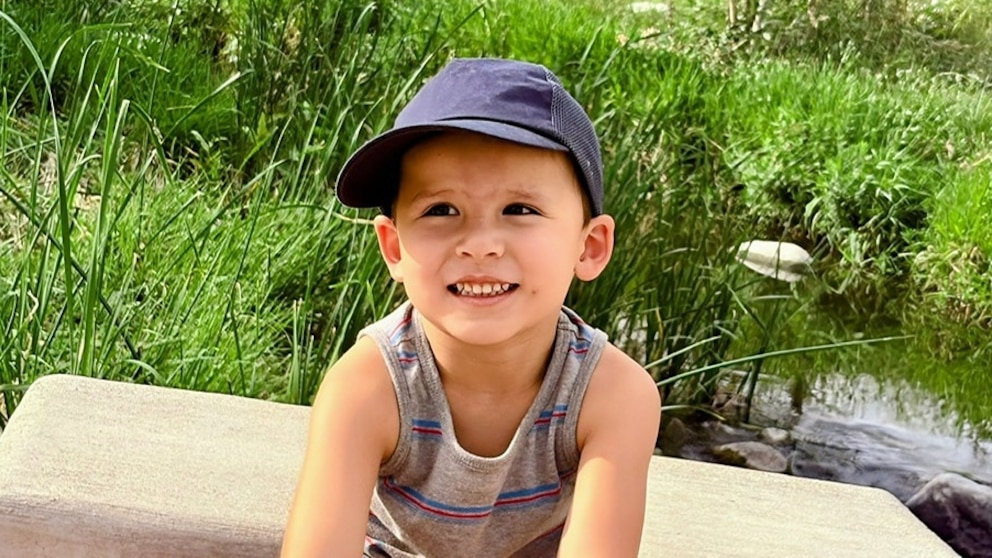
A Colorado father is speaking out after his 5-year-old son died after developing a rare disease during a summer vacation.
Viet Vu of Denver, Colorado, said his son Justin fell sick suddenly while on a trip to Oregon with his mom, Terese Peden, and his siblings.
"Justin was a happy and healthy little boy. He was playing T-ball. He ran around and played outside all the time. And out of nowhere, he's gone now. And it just doesn't really make any sense," Vu told ABC News.
Vu, a radiologic technologist, described his son as "super sweet," someone who loved to meet new people and make them laugh. He said he wanted to share Justin's story to raise awareness about the condition doctors ultimately diagnosed him with, systemic capillary leak syndrome, also known as Clarkson's disease or Clarkson's syndrome.
"Parents need to know about this invisible disease that has no real signs," Vu said. "I've never even heard of it, and I'm 39 years old -- and it kind of just hit us."
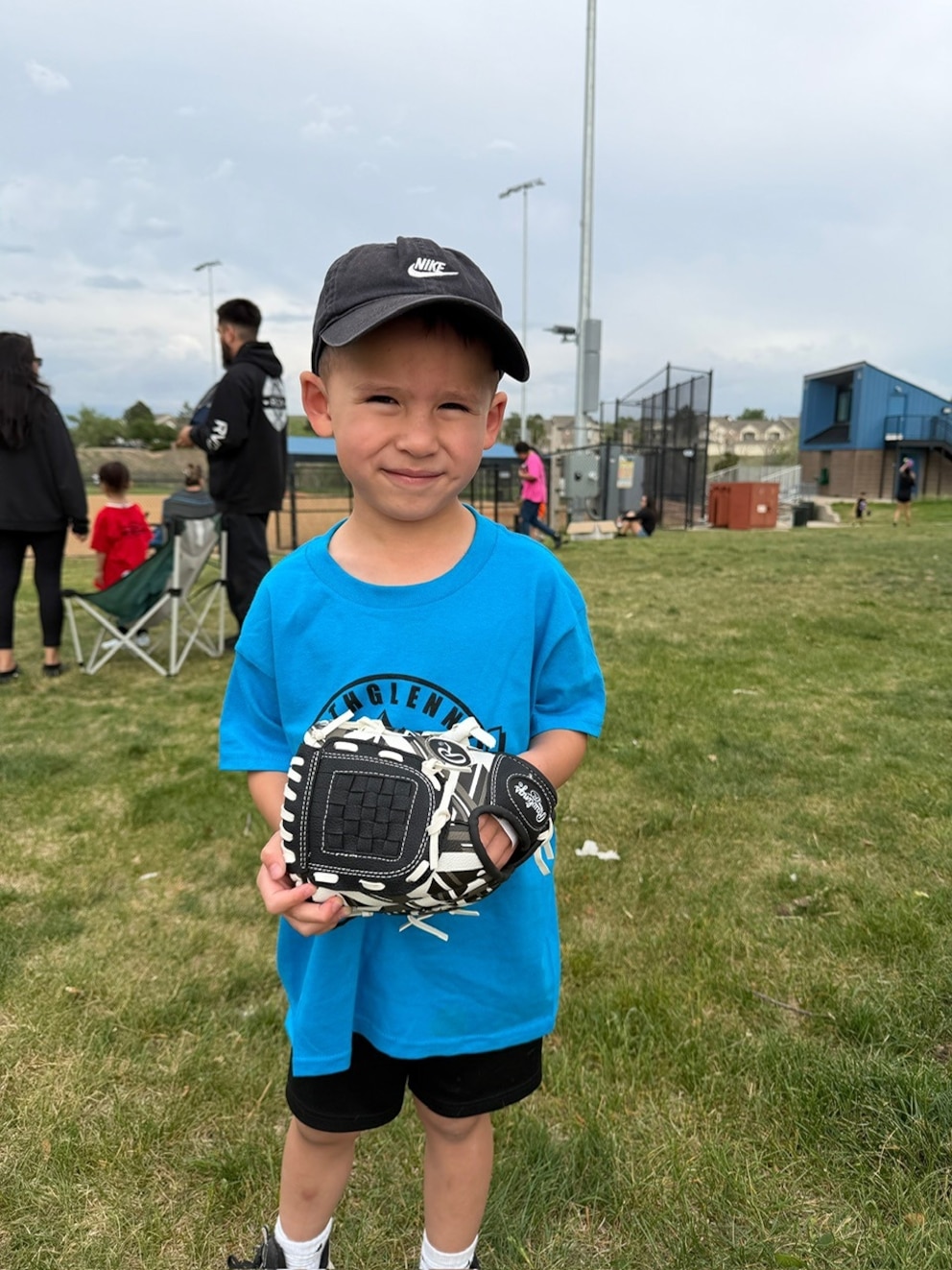
Systemic capillary leak syndrome, or SCLS, also called Clarkson's disease, is a rare, grave, and episodic medical condition observed largely in otherwise healthy individuals mostly in middle age. With less than 500 cases reported globally since the 1960s, it is particularly rare in children, according to the National Organization for Rare Disorders.
People with SCLS develop an issue where fluid leaks from small vessels called capillaries, which then leads to "acute and severe recurrent attacks associated with a rapid fall in blood pressure."
Symptoms of SCLS may "be brief," according to the organization, and can include nasal congestion, a cough or other general signs of illness such as nausea, lightheadedness, abdominal pain, headache, or swelling of the extremities.
The organization states that "patients may also exhibit elevated white blood cell count (leukocytosis)," which can create the false impression that an infection or other disorder is the main culprit.
"Spontaneous resolution of symptoms is uncommon without treatment," the organization states.
Scientists currently don't know what causes SCLS, and NORD notes "there appears to be no hereditary predisposition for the condition." Some studies suggest that the presence of various inflammatory factors may explain the fluid leakage from capillaries during SCLS episodes, and that people who have the disease may have a low amount of monoclonal or M protein in their blood.
Vu said Justin had been fine until the fourth night of their trip, when he started complaining about a stomachache.

After Justin started vomiting that same night, Vu said Peden decided to take him to a local hospital emergency room the next day.
At first, Vu said doctors thought Justin might have appendicitis or an infection. The boy was then transferred to another local children's hospital in Portland for further care.
"They thought they were dealing with an infection since he had inflammation inside his body and fluid built up, because that's one of the signs of infection," Vu said, adding that medical teams administered four different antimicrobial medications, to cover all potential underlying bacterial or atypical infections.
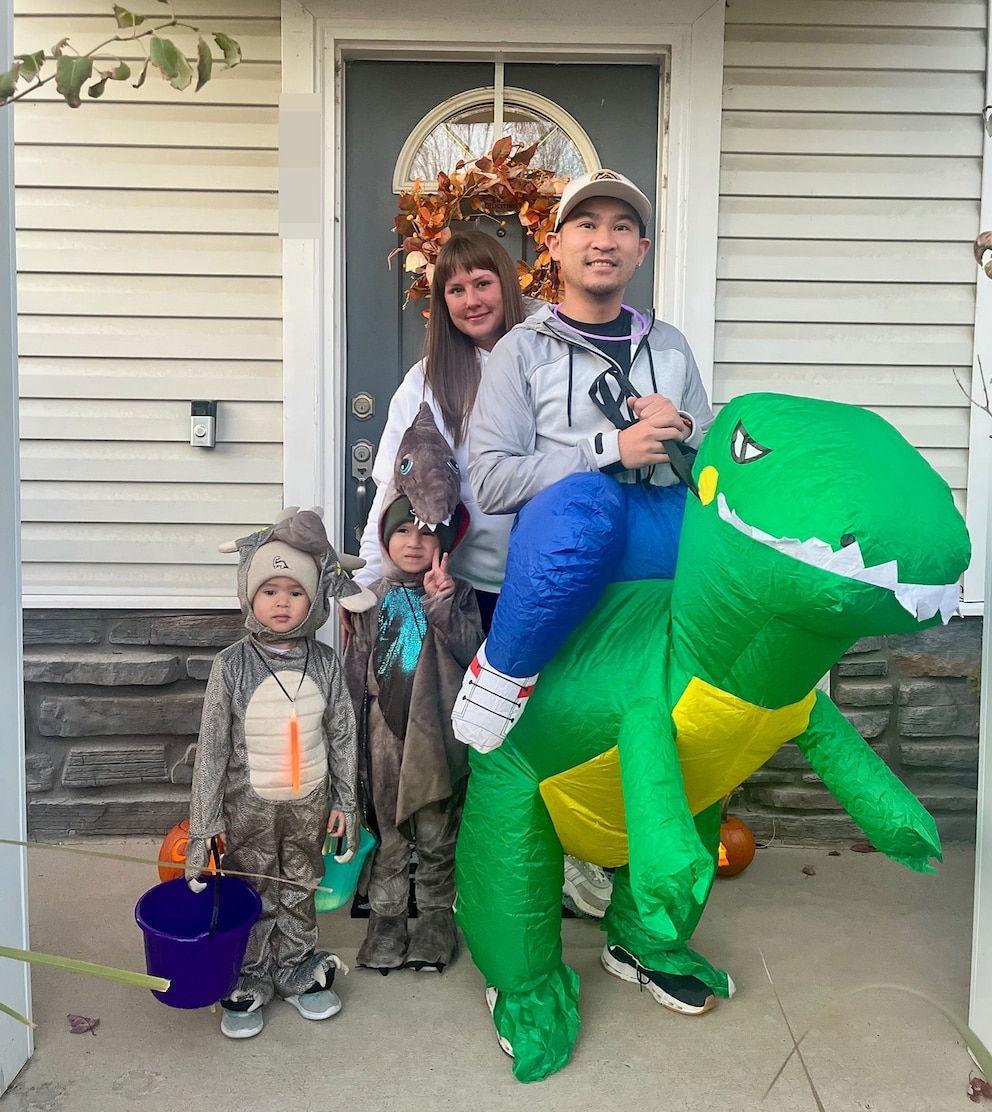
Vu said he traveled from the family's home in Denver to Oregon when Justin was put in intensive care.
"When I arrived at the hospital, I didn't get a chance to hear his voice or talk to him again," Vu said.
Justin died on July 8, surrounded by family members, just five days after he was first hospitalized.
"We don't know why or how Justin got sick," Vu said. "I don't understand why he was taken from us because he didn't deserve any of that."
He added, "He was a good boy and he was loved … none of this makes sense because he was only 5 years old. He didn't have a chance to grow up and grow into the person that I know he could be."