• Video
  • Shop
  • Culture
  • Family
  • Wellness
  • Food
  • Living
  • Style
  • Travel
  • News
  • Book Club
  • Newsletter
  • Privacy Policy
  • Your US State Privacy Rights
  • Children's Online Privacy Policy
  • Interest-Based Ads
  • Terms of Use
  • Do Not Sell My Info
  • Contact Us
  • © 2026 ABC News
  • Food

How to choose which fruits and vegetables to buy organic vs. non-organic


3:23
Which groceries are worth buying organic
Elena Elisseeva/Shutterstock
Kelly McCarthy
ByKelly McCarthy
August 10, 2022, 2:16 PM

As parents get ready to prep breakfast, snacks and lunches for back-to-school season, "Good Morning America" enlisted an expert to inform shoppers on the produce best bought as organic.

Amy Keating, a registered dietician who tests foods for Consumer Reports, told "GMA" that the U.S. Department of Agriculture's organic sticker means that produce is "federally regulated by the USDA."

A bento box lunch is packed with healthy fruits, veggies and snacks in a stock photo.
Sherwood/Shutterstock

"There's strict criteria," she said. "It covers a broad range of things: soil quality, minimizing pesticides ... antibiotic use is minimized in cattle and poultry production."

According to the USDA, organic produce ranges from 15% to 100% more expensive than non-organic, so Consumer Reports created a strategic system to help decide what to splurge on, Keating said.

The dietary risk index rates which foods are better to buy organic and which are OK to buy as non-organic based on pesticide exposure risk.
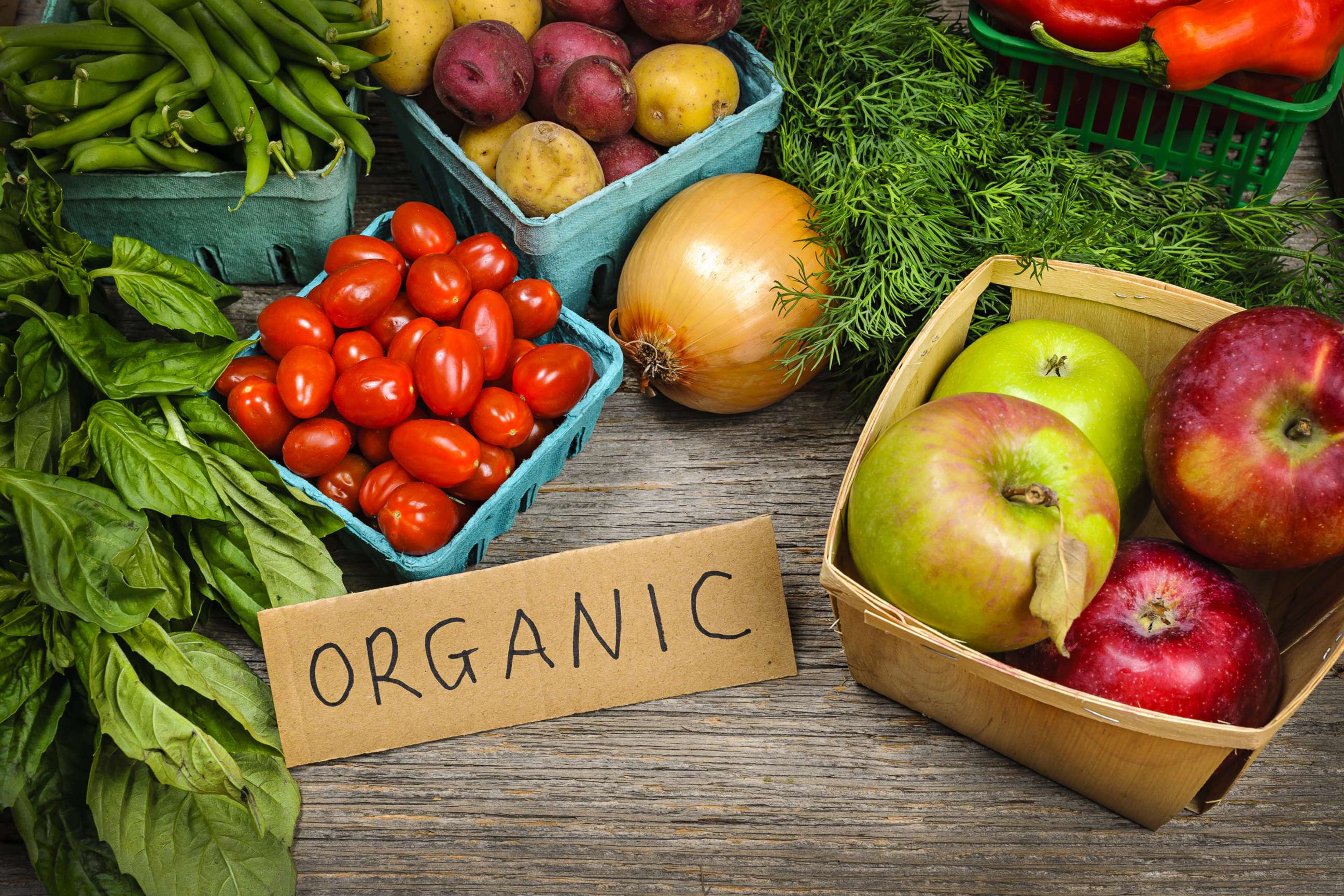
Fresh organic fruit and vegetables on display in a stock photo.
Elena Elisseeva/Shutterstock

Produce best bought as organic

The produce in the higher-pesticide risk category includes berries like blueberries and strawberries, pears, apples, peaches, nectarines, cherries, green beans, celery and snap peas.

Produce OK to buy as non-organic

Produce and other foods with lower-pesticide risk that shoppers can save on and go with non-organic include bananas, oranges, applesauce, canned peaches, carrots, cucumbers, tomatoes and broccoli.

When at the grocery stores, Keating suggests checking the barcode on the produce sticker.

"All the stickers for organic produce will start with a nine and it's a five-digit code," she said. "Any fruit or vegetable that is affordable that you have access to, even if it's frozen, is the vegetable to eat."

Up Next in Food—

Good Housekeeping shares healthy, nutrient-dense Mediterranean recipes made for busy lives

April 16, 2026

Spring recipes from chef Michael Symon: Beef keftedes with fresh pea‑lemon yogurt spread

April 15, 2026

Why fresh tomato prices have skyrocketed, how fuel prices and other factors could keep them high

April 13, 2026

McDonald's and Netflix team up for all-new 'KPop Demon Hunters'-inspired meals

April 3, 2026

Shop GMA Favorites

ABC will receive a commission for purchases made through these links.

Sponsored Content by Taboola

The latest lifestyle and entertainment news and inspiration for how to live your best life - all from Good Morning America.
  • Contests
  • Terms of Use
  • Privacy Policy
  • Do Not Sell My Info
  • Children’s Online Privacy Policy
  • Advertise with us
  • Your US State Privacy Rights
  • Interest-Based Ads
  • About Nielsen Measurement
  • Press
  • Feedback
  • Shop FAQs
  • ABC News
  • ABC
  • All Videos
  • All Topics
  • Sitemap

© 2026 ABC News
  • Privacy Policy— 
  • Your US State Privacy Rights— 
  • Children's Online Privacy Policy— 
  • Interest-Based Ads— 
  • Terms of Use— 
  • Do Not Sell My Info— 
  • Contact Us— 

© 2026 ABC News