• Video
  • Shop
  • Culture
  • Family
  • Wellness
  • Food
  • Living
  • Style
  • Travel
  • News
  • Book Club
  • Newsletter
  • Privacy Policy
  • Your US State Privacy Rights
  • Children's Online Privacy Policy
  • Interest-Based Ads
  • Terms of Use
  • Do Not Sell My Info
  • Contact Us
  • © 2026 ABC News
  • Living

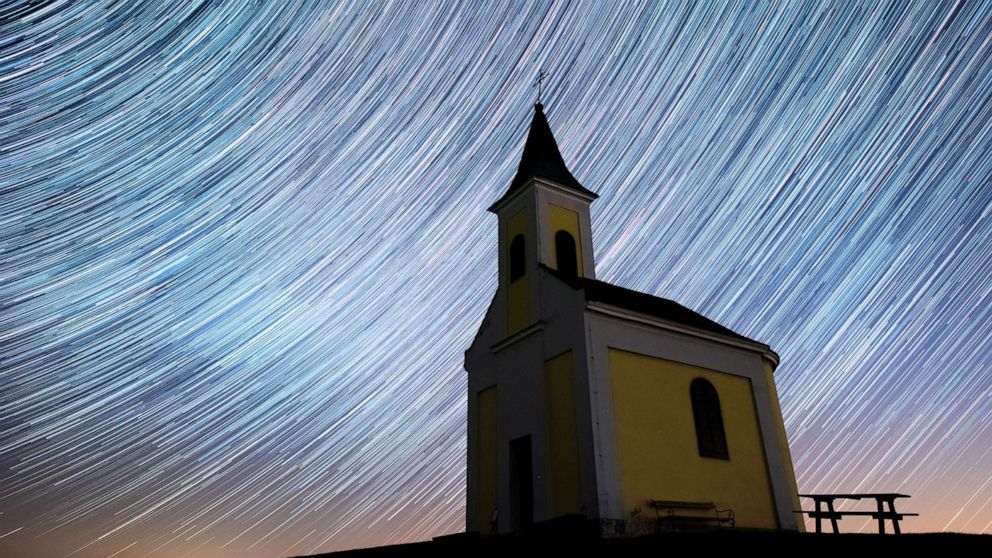
Keep an eye on the sky for shooting stars this week

2:11
Eyes on the skies
Thomas Kronsteiner/Getty Images
ABC News' associate social media producer, Zoe Moore.
ByZoe Moore
April 21, 2020, 2:50 PM

Shooting stars are set to light up the night sky this Earth Day!

The Lyrid meteor shower is active around the end of April every year.

While this meteor shower happens annually, this year it's special since the peak falls on April 22, the 50th anniversary of Earth Day.


Editor’s Picks

Quaranstream: Free events and services to watch online while self-quarantining

  • Jul 02, 2020

Brad Pitt acts as John Krasinski's weatherman in 'Some Good News'

  • Apr 21, 2020

I used the same cotton swab for a week and to be honest, I sort of loved it

  • Apr 18, 2020

What are the Lyrids?

The Lyrids have been observed for over 2,700 years, making it one of the oldest known meteor showers.

According to NASA, "the Lyrids are pieces of space debris that originate from the comet C/1861 G1 Thatcher."

They radiate out from the star Vega, one of the brightest in the night sky.

Related Articles

MORE: Kodak releases 'World’s Largest Puzzle' featuring 27 wonders from around the world.

Where can you watch?

The Lyrids can be best viewed in the Northern Hemisphere after sunset and before dawn.

They can be best viewed in the dark and away from lights.

"A new Moon this year will make way for good viewing of the Lyrids, leaving the sky dark," NASA writes on their website. "While rates of Lyrids per hour can be low, they are also known to produce bright fireballs, and this year we are expecting rates of up to 15 meteors per hour."
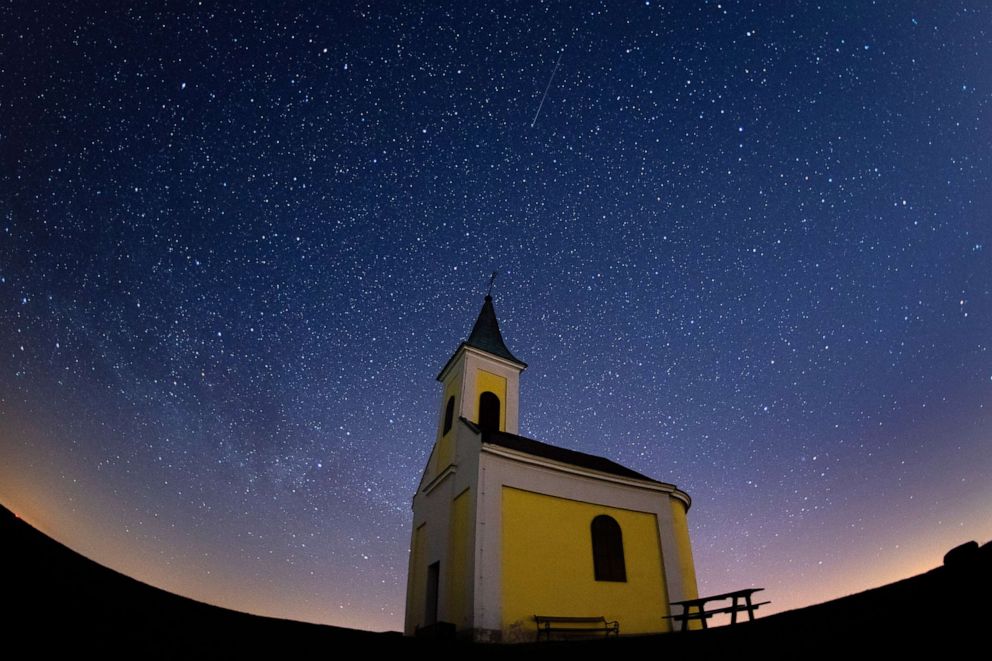
PHOTO: rids meteor shower streaks across the sky over Michaelskapelle on April 21, 2020 in Niederhollabrunn, Austria.
The Lyrids meteor shower streaks across the sky over Michaelskapelle on April 21, 2020 in Niederhollabrunn, Austria.
Christian Bruna/Getty Images

Related Articles

MORE: Have an epic virtual game night with these apps.

If you aren't in a spot where you'll be able to view the Lyrids but still want to watch, visit the NASA Meteor Watch Facebook page.


Editor’s Picks

Quaranstream: Free events and services to watch online while self-quarantining

  • Jul 02, 2020

Brad Pitt acts as John Krasinski's weatherman in 'Some Good News'

  • Apr 21, 2020

I used the same cotton swab for a week and to be honest, I sort of loved it

  • Apr 18, 2020

Up Next in Living—

Wrong text message joins 24-year-old and 72-year-old in unlikely friendship

June 9, 2026

More Americans are moving to the Midwest amid affordability crisis, data shows

June 9, 2026

Meta debuts new Instagram feature that allows users to rearrange posts on profile grid

June 8, 2026

New York Knicks and San Antonio Spurs superfans speak out ahead of NBA Finals Game 2

June 5, 2026

Shop GMA Favorites

ABC will receive a commission for purchases made through these links.

Sponsored Content by Taboola

The latest lifestyle and entertainment news and inspiration for how to live your best life - all from Good Morning America.
  • Contests
  • Terms of Use
  • Privacy Policy
  • Do Not Sell My Info
  • Children’s Online Privacy Policy
  • Advertise with us
  • Your US State Privacy Rights
  • Interest-Based Ads
  • About Nielsen Measurement
  • Press
  • Feedback
  • Shop FAQs
  • ABC News
  • ABC
  • All Videos
  • All Topics
  • Sitemap

© 2026 ABC News
  • Privacy Policy— 
  • Your US State Privacy Rights— 
  • Children's Online Privacy Policy— 
  • Interest-Based Ads— 
  • Terms of Use— 
  • Do Not Sell My Info— 
  • Contact Us— 

© 2026 ABC News