Schools that banned phones saw surprising results beyond fewer distractions
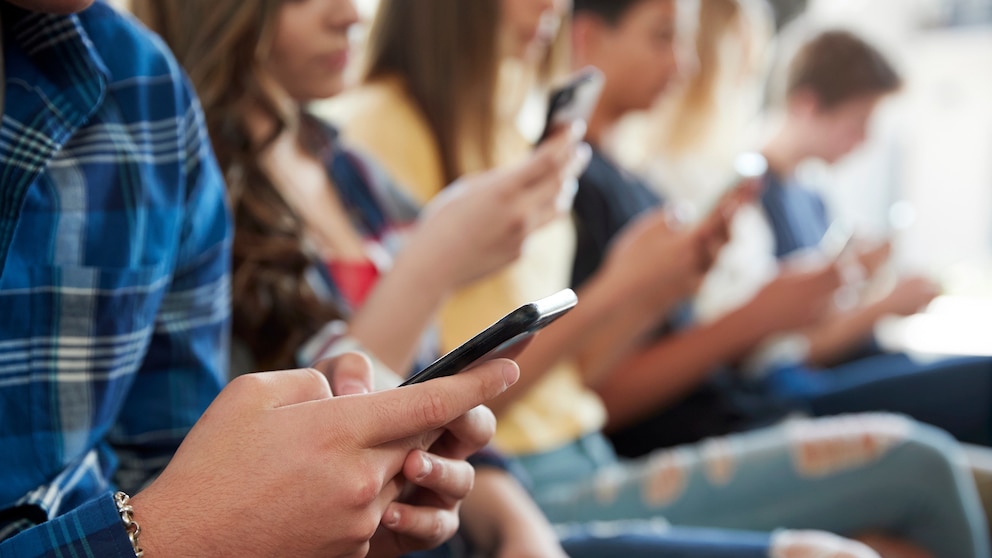
When one Florida school district banned cellphones, disciplinary issues initially spiked as schools worked to enforce the new rule.
By the second year, however, suspension rates returned to normal and test scores rose significantly, according to a new study published this month by the National Bureau of Economic Research.
According to the researchers, student scores in the school district notably increased by "about 2-3 percentiles" in the second year of ban compared to year before the ban.
The rise in test scores followed what researchers described as "a significant jump in student disciplinary incidents and suspensions" immediately after "the transition period in the first year of the ban when the district started referring students for disciplinary action due to cellphone use infractions."
"Suspension rate more than doubled in the month after disciplinary enforcement started compared to the month before and was 25 percent higher compared to the same month in the school year right before the ban," they wrote. "These heightened suspension rates persisted throughout the rest of the school year and returned to pre-ban levels in the second year."
They continued, "Interestingly, we observe significantly improved student test scores in the second year of the ban (about 2-3 percentiles higher than the year before the ban) when suspensions revert to pre-ban levels."
The study, which is not peer-reviewed, also noted a decline in unexcused absences, which researchers say may have contributed to the higher academic performance.
The effects were less noticeable in elementary schools, where fewer students have cellphones, but more pronounced among middle and high school students who were previously more likely to use devices during the school day.
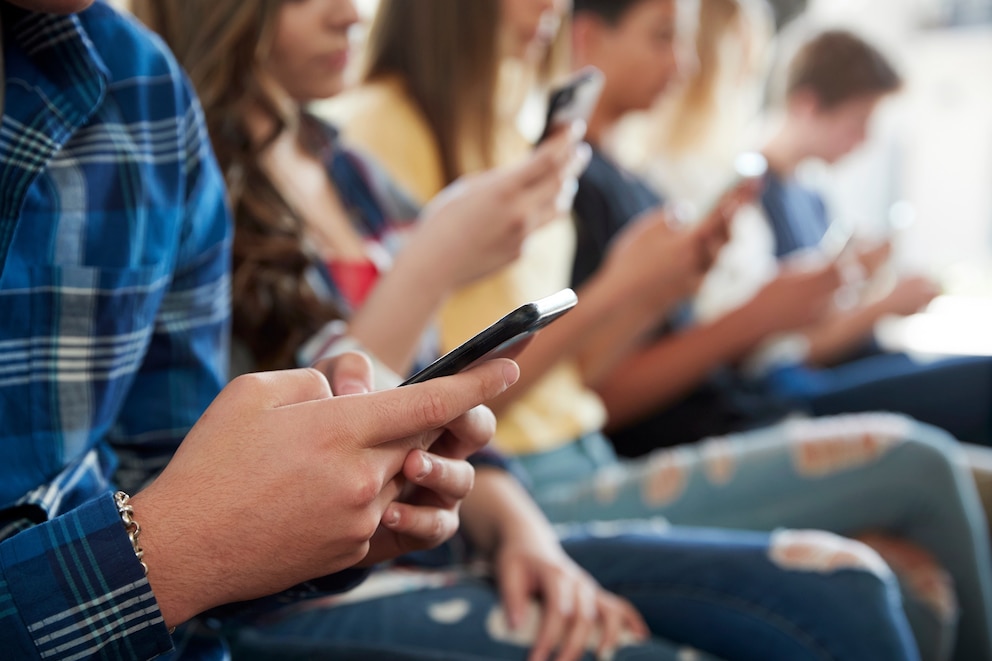
Overall, the findings suggest that while cellphone bans can cause short-term disruptions, they may ultimately foster a more focused, engaged, and academically productive learning environment.
The researchers say these insights could help school districts better plan for enforcement and minimize disruptions when implementing new restrictions.
Still, the study's authors cautioned that their research looked at only one district, meaning the results may not be applicable elsewhere and the findings show correlation, not direct cause and effect.
The study comes as more states and school systems across the country move to restrict or ban cellphones in classrooms amid growing concerns about how screens affect students' attention, mental health and social development.
This fall, New York City expanded its school cellphone ban to include smartwatches, joining a growing list of districts across the U.S. taking similar steps.
A new ABC News analysis found that while many states have implemented classroom phone bans this school year, others continue to leave those decisions up to local school districts.


According to the analysis, 20 states and territories, including Washington, D.C., and the U.S. Virgin Islands, now prohibit phones and tablets during the school day, with exceptions for students with disabilities who have individualized education programs.
Meanwhile, 17 states such as Maryland and Wyoming have not enacted statewide restrictions, and 16 others have taken a more flexible approach, allowing local districts to decide their own policies or, in Puerto Rico's case, requiring schools to establish one by 2026.
As debates continue over how technology fits into the classroom, researchers say the Florida study offers a glimpse of what schools might expect when making the switch, from early enforcement challenges to eventual academic gains once students adapt to fewer distractions.