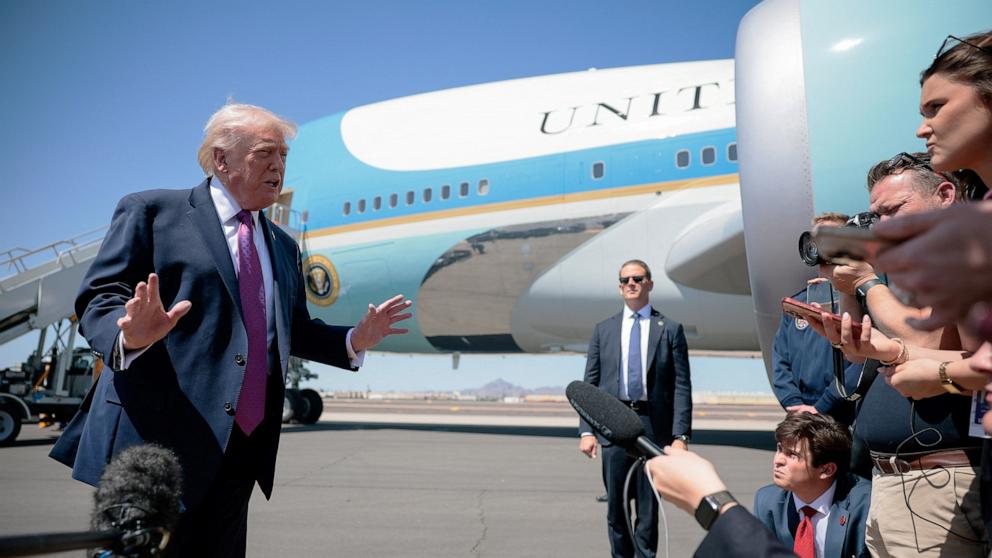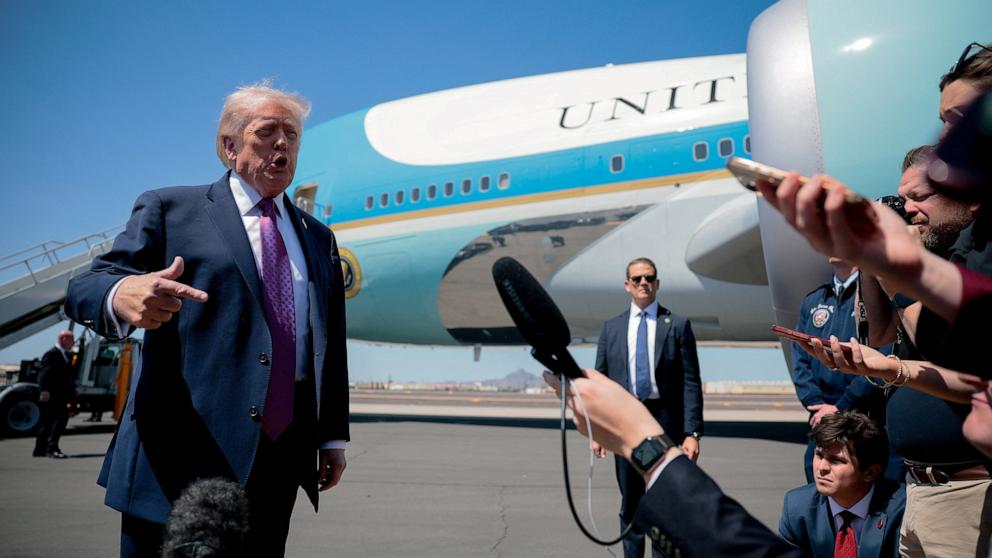
President Donald Trump announced "major combat operations" against Iran on Feb. 28, with massive joint U.S.-Israeli strikes targeting military and government sites.
After negotiations, U.S.-Iran talks in Pakistan failed to reach a peace deal. Trump said that Iran's nuclear program was the key sticking point, and said the U.S. would respond with a blockade of the Strait of Hormuz starting at 10 a.m. ET on Monday.
Iran announced it would fully reopen the Strait of Hormuz on Friday, but Trump said the blockade will remain in place until the U.S.'s "transaction" with Iran is complete.
Israel, meanwhile, has reached a ceasefire agreement with Lebanon, ending its ground operations and intense strikes, where it was engaged with the Iran-backed Hezbollah militia. Israeli Prime Minister Benjamin Netanyahu said he supported the ceasefire with Iran.
Key Headlines
- When the next round of talks could happen, and a key sticking point
- Trump says there 'could' still be differences to work out with Iran
- White House insists Strait of Hormuz is 'completely open'
- Iran says its enriched uranium is not going anywhere
- US sanctions leaders of Iraqi militias back by Iran
- Israeli strike on Lebanon kills 1, marking first death announced since ceasefire went into effect: Lebanese Health Ministry