100 undiscovered galaxies could be orbiting the Milky Way, according to new research
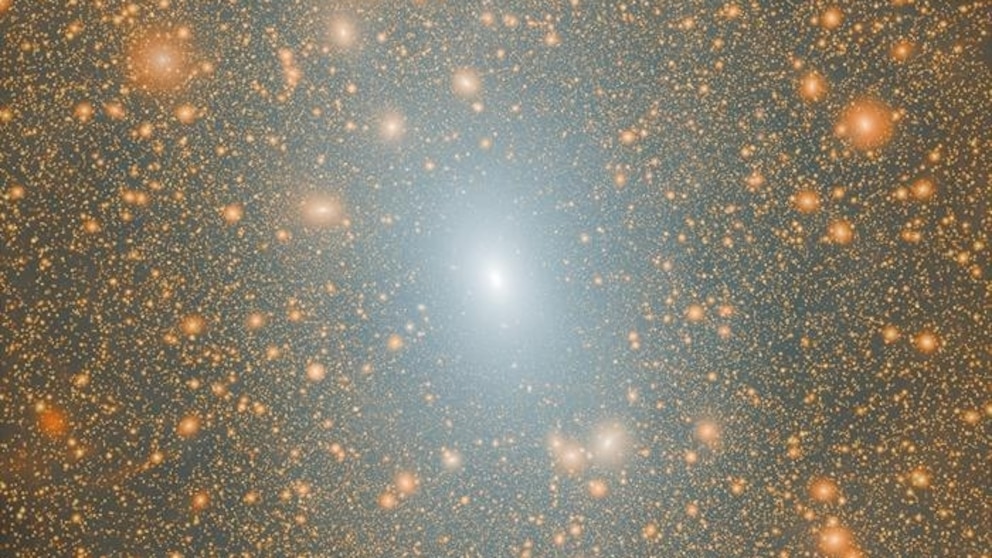
There could be many more satellite galaxies orbiting the Milky Way than previously thought or observed, according to astronomers.
As many as 100 undiscovered galaxies that are too faint to be seen could be surrounding the galaxy that houses Earth and the solar system, new research has found.
Cosmologists at Durham University in England made the discovery using a new technique that combines the highest-resolution supercomputer simulations in existence with mathematical modeling, they announced at the Royal Astronomical Society's National Astronomy Meeting in Durham on Friday.
The supercomputer predicted the existence of missing "orphan" galaxies -- suggesting that up to 100 or more satellite galaxies are orbiting the Milky Way at close distances.
"We know the Milky Way has some 60 confirmed companion satellite galaxies, but we think there should be dozens more of these faint galaxies orbiting around the Milky Way at close distances," said Isabel Santos-Santos, the lead researcher at Durham University's Institute for Computational Cosmology, in a statement.
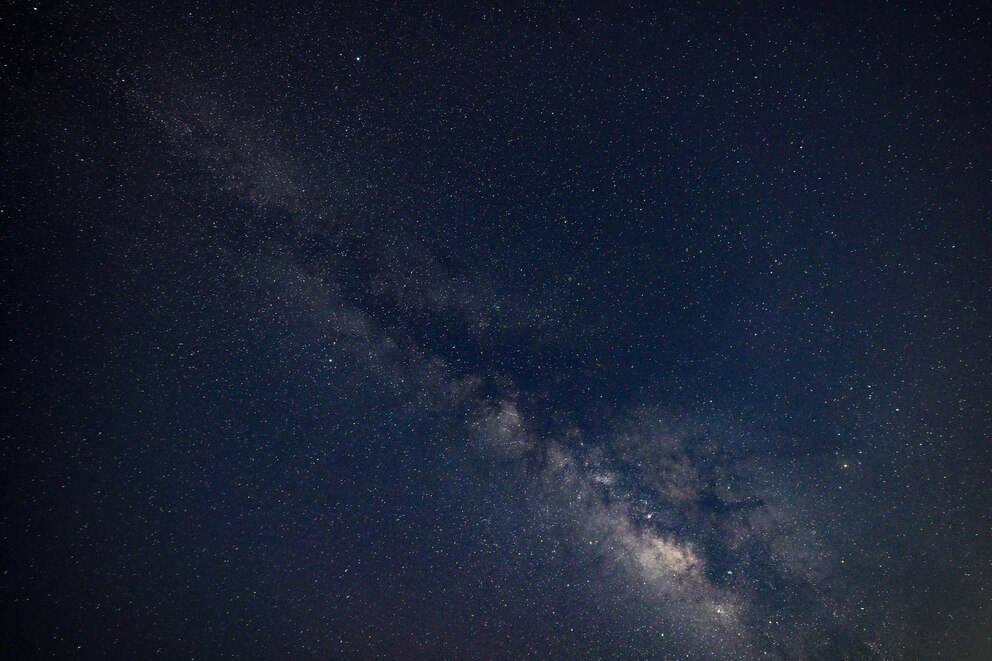
If the galaxies are seen by telescopes, it could provide strong support for the theory on Lambda Cold Dark Matter -- the standard model of cosmology that explains the large-scale structure how galaxies form, the researchers said.
The model suggests that galaxies form in the center of "gigantic" clumps of dark matter called halos and hypothesizes that ordinary matter in the form of atoms represents only 5% of the Universe’s total content, while 25% is cold dark matter, and the remaining 70% is dark energy.
Most of the galaxies in the Universe are satellite low-mass dwarf galaxies that orbit around a more massive galaxy, such as the Milky Way, according to astronomers.
The existence of these galaxies poses challenges to LCDM because the model suggests the presence of many more companion galaxies than previous simulations have produced, the researchers said. But the new technique allowed the scientists to track the abundance, distribution and properties of the orphan galaxies.
The model provides "clear illustration" of the power of physics and mathematics, Carlos Frenk, a co-researcher at the Institute for Computational Cosmology, said in a statement.
"Using the laws of physics, solved using a large supercomputer, and mathematical modelling we can make precise predictions that astronomers, equipped with new, powerful telescopes, can test," Frenk said. "It doesn’t get much better than this."
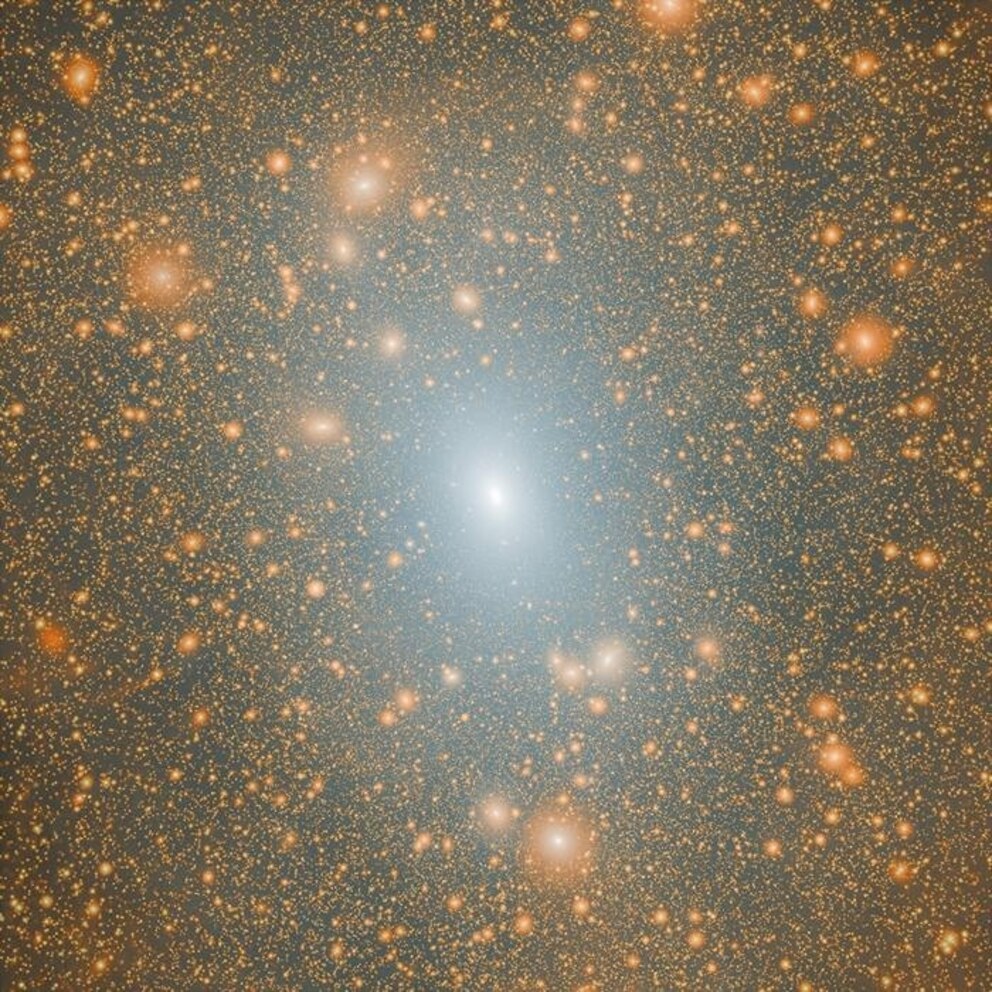
Existing cosmological simulations do not have the resolution needed to study the faint satellite galaxies, the experts said. They also lack the precision needed to study the evolution of the small dark matter halos that host the dwarf galaxies, which leads to the artificial disruption of some halos, according to the researchers.
"If our predictions are right, it adds more weight to the Lambda Cold Dark Matter theory of the formation and evolution of structure in the Universe," Santos-Santos said.
New advances in telescopes and instruments could eventually give astronomers the ability to detect the faint objects through viewing.
"One day soon we may be able to see these ’missing’ galaxies, which would be hugely exciting and could tell us more about how the Universe came to be as we see it today," Santos-Santos said.