40 years of breast cancer awareness has saved over half million lives and counting
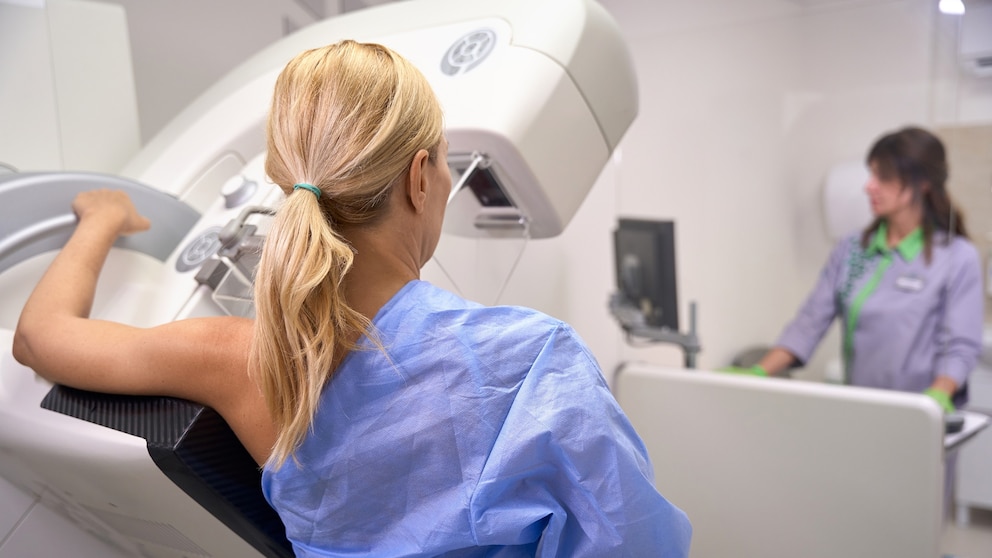
Since the start of Breast Cancer Awareness initiatives in 1985, over 517,000 lives have been saved from better treatment and proactive screening, according to the American Cancer Society.
"Today is a day to celebrate forty years of incredible progress in ending cancer as we know it, for everyone," Dr. Shanti Sivendran, senior vice president of cancer care support at the American Cancer Society and medical oncologist at Penn Medicine, told ABC News.
In the 1980s in the United States, only one in four women were getting screened for breast cancer, and access to screening technology was limited, Sivendran said.
That began to change in October 1985, when the American Cancer Society partnered with other groups to launch a week-long event devoted to raising awareness about breast cancer. The campaign quickly gained momentum as more organizations joined in, and by 1990 President George H. W. Bush issued a proclamation officially designating October as Breast Cancer Awareness Month.
What started as a small collaboration grew into a global movement, now marked each year by millions who wear pink ribbons, participate in walks, and push for advances in research and early detection.
"After 40 years of research, technology and policy advances, we are now seeing that two out of three women are getting life-saving mammograms that are covered by their insurance, and we've seen a 40% reduction in mortality from breast cancer, from diligent screening, [and] from treatment advances that allow for more tailored options for patients." Sivendran noted.
The five-year survival rate for a woman diagnosed with breast cancer has jumped up from around 75% in the early 1980s, to over 90% in the past few years. Researchers estimate that advances in screening account for about one-quarter of the drop in breast cancer deaths, while improved treatments are responsible for the other three-quarters.

"There have been great strides in breast cancer treatments from less extensive breast surgery to more targeted radiation, and the explosion of new drugs that are more specific for the different subtypes of breast cancer." Dr. Katherine Crew, breast medical oncologist and director of the clinical breast cancer prevention program at Columbia University, Irving Medical Center, told ABC News.
Between 2000 and 2023, the U.S. Food and Drug Administration approved more than two dozen drugs to treat breast cancer, many designed to target a specific biomarker in the tumor. Experts liken these markers to fingerprints that can help doctors match each patient with the treatment most likely to work for them, making care more precise and personalized than ever before.
But not everyone has benefited from these strides equally.
As Crew noted, "While we have made great progress in improving breast cancer screening and treatment leading to improved survival, there have also been widening disparities in breast cancer outcomes, with Black women having higher breast cancer mortality compared to their White counterparts."
White women with breast cancer have the highest five-survival rate at around 93%. But this dropped to 84% for black women. While black women were more likely to die from any kind of breast cancer, for certain types of breast cancer black women had up to a 50% higher risk of dying than their white counterparts. While there are multiple factors behind these differences, Crew stressed the need to better address these health disparities.
Sivendran said the past 40 years of Breast Cancer Awareness show how a movement can save lives, but she stressed that the work is far from over and urged people to carry forward the progress made over the last four decades.
"Go out there and take action. Get your screening mammogram, understand your risk, invest in cancer research," she said. "And together, we're going to continue to make advances over the next 40 years."
Noor Shaik, MD, PhD, is a neurology resident physician and a member of the ABC News Medical Unit.