50 years later: 'One Giant Leap' author on the lasting impact of Apollo 11's mission to the moon
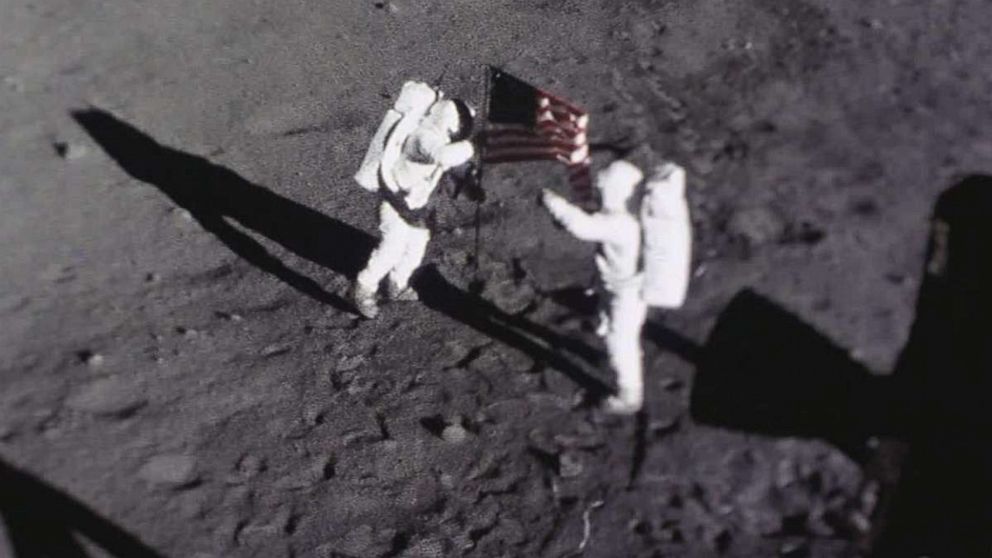
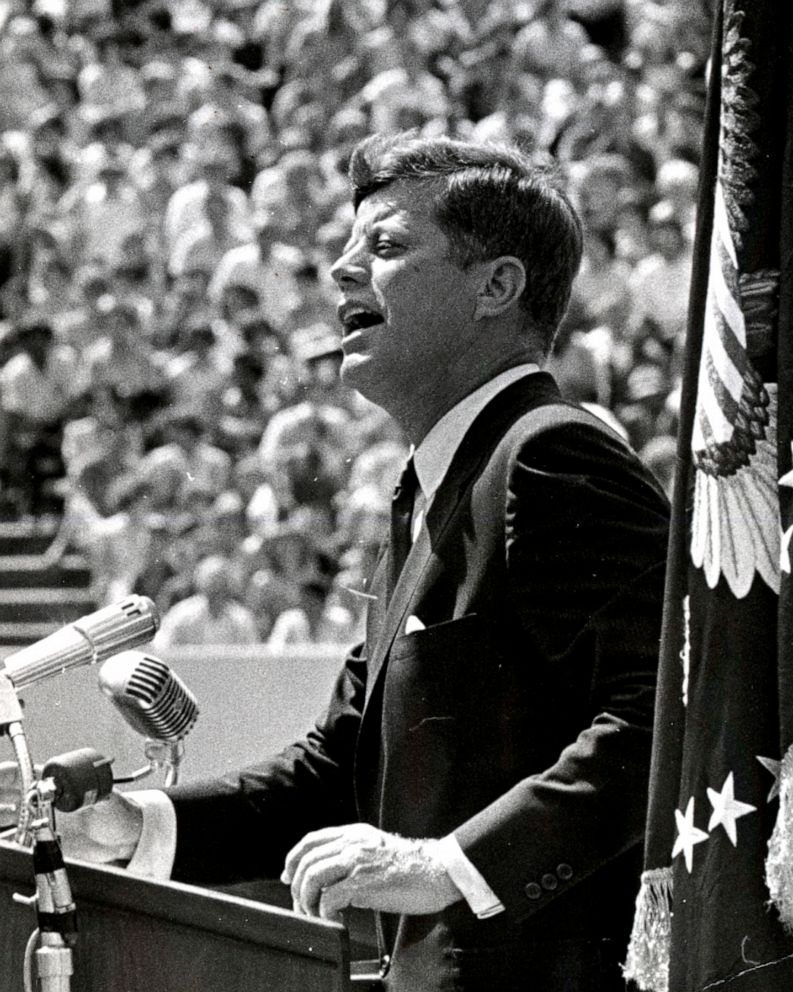
With the 50th anniversary of the Apollo 11 moon landing on July 20, Charles Fishman, the author of "One Giant Leap: The Impossible Mission that Flew Us to the Moon," spoke to ABC News about the drive to answer President John F. Kennedy’s famous 1961 challenge to put a man on the moon before the end of the decade.
And he told the remarkable, little-known stories of the men and women behind the scenes who made that vision a reality.
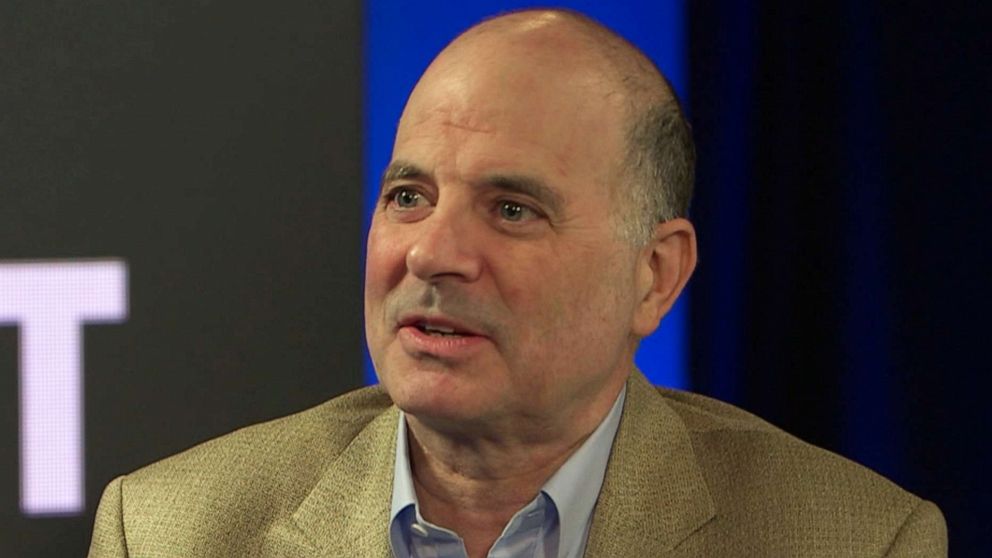
Until that time, going to the moon was the biggest undertaking not just by the United States, but that humans had ever attempted outside of the world wars. According to Fishman, “It wasn’t just one giant leap for the astronauts. It was one giant leap for the 400,000 people back on Earth who had to do the work to get the astronauts to the moon.”
The space race
By the time Kennedy outlined his goals for a space program, the Soviet Union’s space program was always one step ahead of the United States.
That other superpower was the first to send a satellite, animals and humans into orbit, and Kennedy was looking to definitively reestablish American preeminence.
“The race to the moon was born out of Cold War rivalry,” Fishman said.
And at the end of a decade marked by the Vietnam War, anti-war protests, the Civil Rights movement and the women’s movement – the success of the Apollo 11 mission turned into a unifying moment, which enthralled and captured the imagination of a nation and a global audience.
“Apollo reminded us what we were capable of when we worked together,” he added.
The men
The first two men who walked on the moon, astronauts Neil Armstrong and Buzz Aldrin, had different approaches to their few minutes on the lunar surface. Fishman describes Armstrong as a "straight shooter," while Buzz Aldrin was a "little wackier."
When Armstrong and Aldrin landed on the moon for the first time they were actually scheduled to take a nap after being up from more than 20 hours.
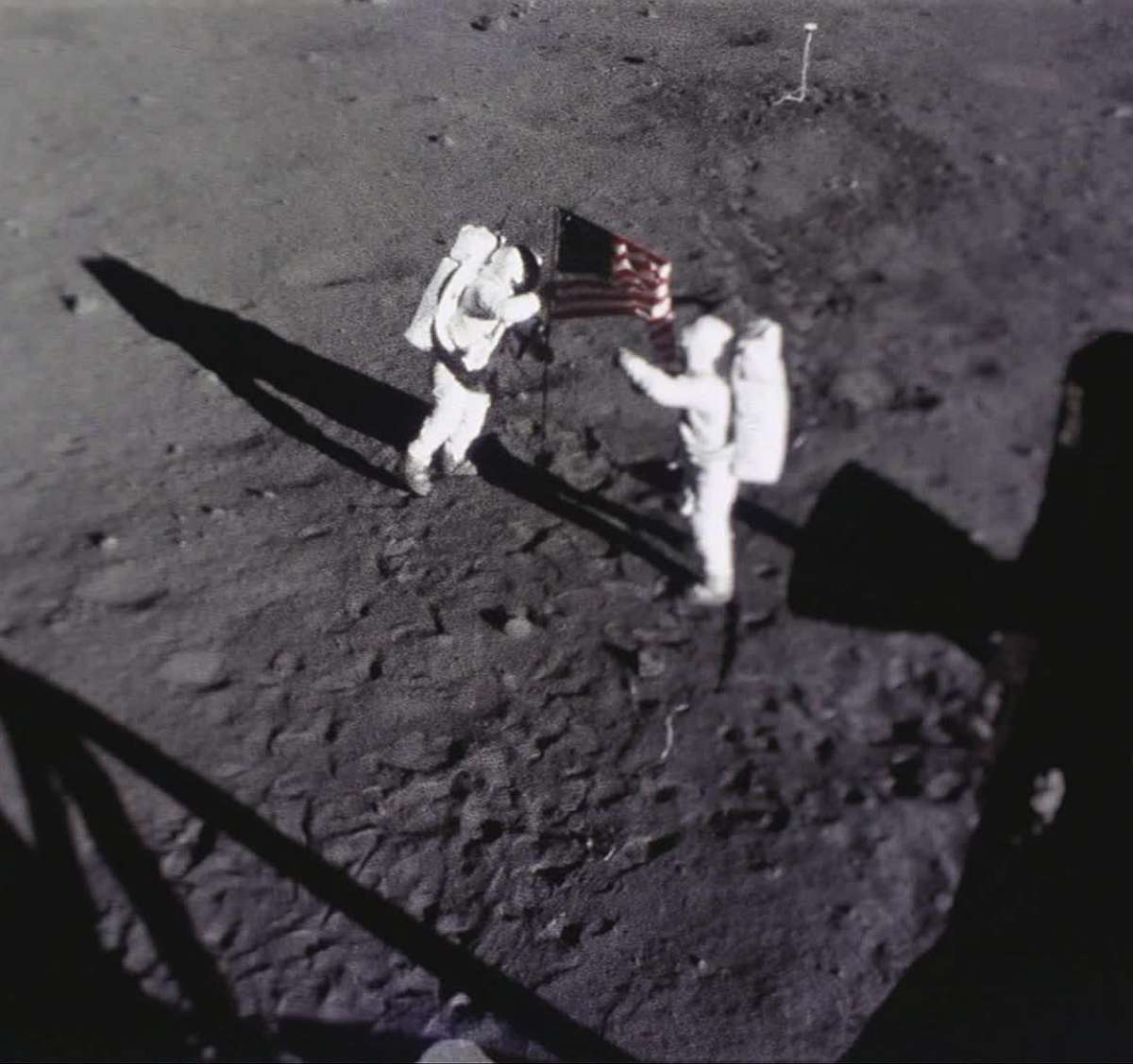
"They basically said, 'Listen, we didn’t fly to the moon to go to sleep. We’re not going to sleep. We’re going to suit up and get outside,’” Fishman explained.
Aldrin, he said, spent three to four minutes racing around the moon “kangaroo-hopping."
Laying the foundation for human advancement
Fishman argues that Apollo laid the foundation for the digital revolution because of the intensity of computer development.
“What happened was Microsoft and Apple and Google,” he said.
Fishman points out that a lot of what is relied on now, and sometimes taken for granted, was pioneered in that era. The adoption of digital computing – also sometimes referred to as the "Third Industrial Revolution" -- marked a momentous shift.
“One iPhone has more computing power than NASA had available, total, in all the computers they used during any particular space mission,” Fishman said.
The biggest takeaway for Fishman is that eight years after Kennedy issued his challenge, Americans were walking on the moon.
If someone called climate change an existential threat and issued a similar challenge to tackle it, Fishman says, the solutions are at hand.
“There were 10,000 mysteries about flying to the moon,” Fishman said. “We didn't know how to do it, and we did it. And so there is this element of, if we could go to the moon, can't we solve the problems we have back on Earth?”
His answer is “yes.”
“It's just that someone has to ask us to,” he said.
ABC News' Nate Luna, Christine Theodorou, and Mina Kaji contributed to this report.