Most Americans say AI is bad for society, oppose more data centers: ABC/Post/Ipsos poll
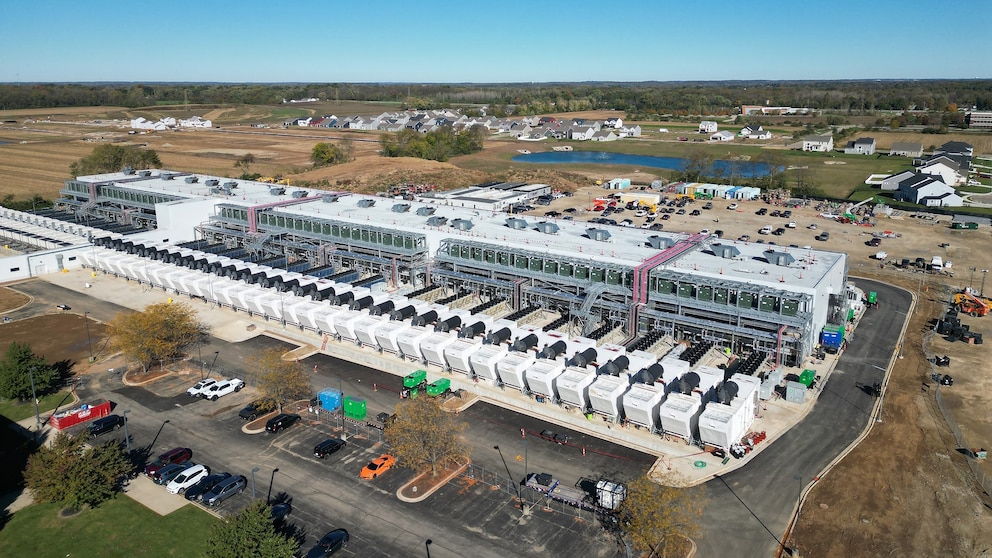
A majority of Americans say artificial intelligence is a bad thing for society and about two-thirds oppose the construction of new data centers in the U.S., with opposition even higher to building data centers in people's own communities, according to an ABC News/Washington Post/Ipsos poll conducted using Ipsos’ KnowledgePanel.
The poll finds that a 57% majority of Americans say AI is bad for society while 42% say it is good for society. Just 2% say it is "extremely" good for society while 17% say it is extremely bad for society.
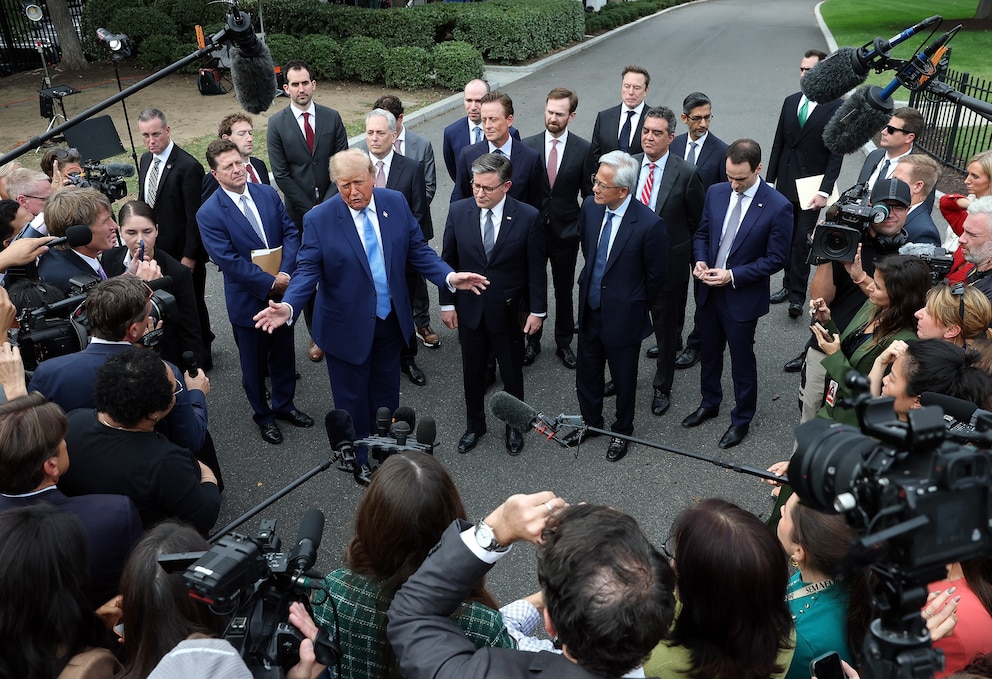
Tech leaders have issued warnings about the threat of AI and called for steps to slow it down before it outsmarts humans. Following those warnings, lawmakers have weighed what -- if any -- action should be taken. President Donald Trump, who has called warnings about AI a "hoax," met with several tech leaders at the White House last month, saying they signed a "constitution" to police themselves.
Younger Americans are more likely to say AI is bad for society than older Americans: 65% of Americans under 30 say AI is bad for society along with 59% of those 30 to 39. A slimmer majority of Americans 40 and older say AI is bad for society (53%).
Majorities of Democrats (63%) and independents (58%) say AI is bad for society, while Republicans are more evenly split with 51% saying AI is good for society and 47% saying it is bad for society.
Still, Americans are more likely to say AI is good for them personally: 50% say AI is good for them and 49% say it is bad for them. Again, intensity lies with the pessimists. Five times as many people say it is extremely bad for them (15%) compared to extremely good (3%).
A majority of Republicans (57%) say AI is personally good for them while a similar majority of Democrats say it’s personally bad for them (55%). Independents are split on whether AI is good (50%) or bad (49%) for them personally.
Risks and benefits of AI
When Americans were asked about various potential risks with the growth of AI, majorities say that most of the possible consequences are a "high risk."
Nearly three-quarters of Americans, 73%, say there is a high risk of AI hacking secure computer systems, including majorities across partisan groups and age groups.
About two-thirds of Americans, 65%, say there is a high risk of the growth of AI leading to the elimination of many jobs, including majorities across age, partisan and income groups.
About 6 in 10 Americans, 62%, say there is a high risk of people losing the ability to make their own decisions without AI, including a larger majority of Americans under the age of 50 (67%). Majorities across partisan groups say there’s a high risk of people losing the ability to make their own decisions without AI: 68% of Democrats, 63% of independents and 55% of Republicans.
More than half of Americans, 54%, say there is a high risk of increasing economic inequality due to the growth of AI, including most Democrats (66%) and independents (57%) and just over a third of Republicans (36%). Similar majorities across income levels say there’s a high risk of increased economic inequality with the growth of AI.
One-third of Americans, 33%, say there is a high risk of human extinction due to the growth of AI -- a smaller share than the other risks, but for the most dire of consequences. Democrats are more likely to say that the growth of AI will lead to a high risk of human extinction (40%) than Republicans (24%), with independents falling in between (34%).
When it comes to the potential benefits of AI, smaller shares of Americans say there's a big chance of each happening -- although roughly the same share say there's a big chance of AI making everyday tasks easier as say that there is a high risk of human extinction due to AI.
About one-third of Americans, 34%, say that the growth of AI has a big chance of making everyday tasks easier. That includes a larger share of Republicans (42%) than independents (33%) or Democrats (29%).
Three in 10 Americans (30%) say that the growth of AI has a big chance of leading to U.S. dominance in AI technology, including more Republicans (41%) than independents (27%) or Democrats (25%).
Just 2 in 10 Americans (20%) say that the growth of AI has a big chance of making people more productive, including relatively small minorities across demographic groups; nearly twice as many say there is "little or no chance" of AI making people more productive (38%).
And even fewer, 13% of Americans, say that the growth of AI has a big chance of creating many new jobs -- just over half, 52%, say it has little or no chance of creating many new jobs. More Republicans (17%) than Democrats (9%) say that AI has a big chance of creating many new jobs, but even the share of Republicans saying this is quite small. Most Democrats (60%) and independents (54%) along with 42% of Republicans say AI has little or no chance of creating many new jobs.
Regulation and the administration
Two-thirds of Americans say the federal government is not doing enough to regulate the growth and development of AI technology, including majorities of Democrats (80%), independents (66%) and Republicans (54%).
Just 22% of Americans say the government is doing "about the right amount" to regulate AI.
Two-thirds of Americans disapprove of how Trump is handling AI; just 30% approve. Approval peaks among MAGA Republicans -- who make up about 6 in 10 Republicans -- 80% of whom approve. But approval falls to 49% among non-MAGA Republicans, 50% of whom disapprove. Wide majorities of Democrats (92%) and independents (75%) disapprove of how Trump is handling AI.
Americans trust Democrats over Republicans to handle AI, 26% to 19%, but about half say they don’t trust either party to handle AI (49%). In April, Americans were roughly split over trusting Democrats or Republicans more, with still about half saying they didn’t trust either party.
Building data centers
Two-thirds of Americans (66%) oppose the construction of new data centers in the U.S., growing to 72% when asked about building a new data center in their community.
Data centers are a key issue ahead of high-stakes midterm elections. Trump has stressed his strong support for them, saying they can help enrich communities and assist in the United States’ effort to defeat China in the global AI race.
Majorities across partisan groups and virtually all other major demographic groups oppose a new data center in their community. That includes 81% of Democrats, 76% of independents and 58% of Republicans, along with 80% of adults under 30 and 69% of those 65 or older.
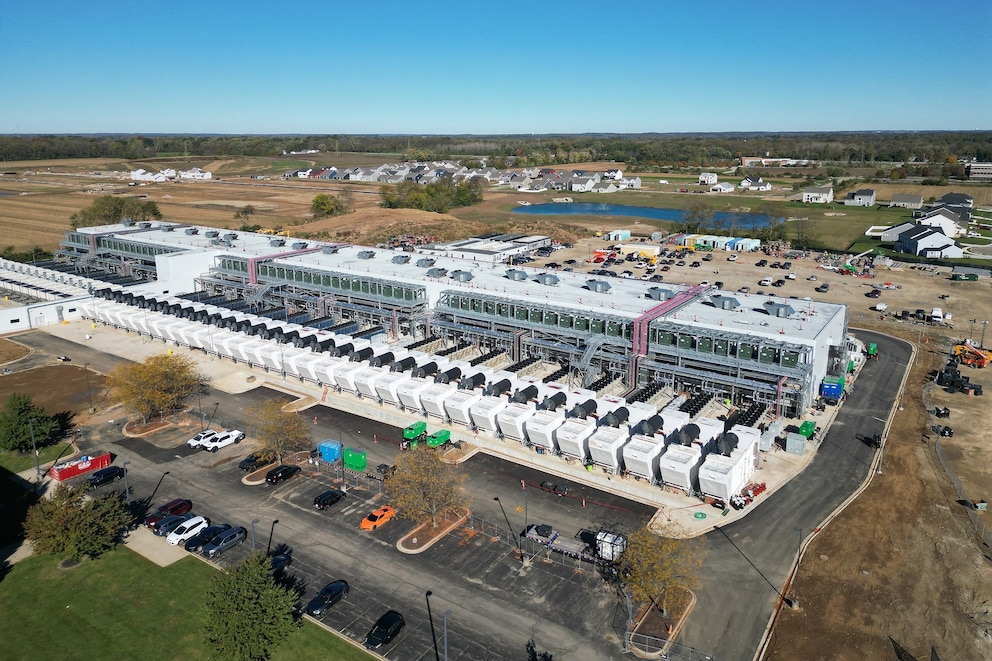
Opposition is slightly higher in rural communities (78%), but 72% of suburbanites agree, along with 69% of urbanites, who are much less likely to face data center construction in their own backyards.
All in all, there’s also not much support for building more data centers nationally: Just 30% support them, peaking at 53% support among MAGA Republicans.
See PDF for full results and detailed methodology.
Methodology: This ABC News/Washington Post/Ipsos poll was conducted via the probability-based Ipsos KnowledgePanel Oct. 9-13, 2026, among 2,545 U.S. adults with an error margin of +/- 2 points overall. Several questions were asked of a half sample of 1,271-1,274 adults with an error margin of +/- 2.8 points. Other subgroups also have larger error margins.
ABC News’ Liz Schreier contributed to this report.
Email ABCNEWS.Polls@abc.com to be added to ABC News’ polling distribution list.
More ABC News polls can be found at abcnews.com. Media contacts: Jeannie Kedas and Van Scott.
Previous releases:
Wide majority of Americans oppose livestreaming Nidal Hasan’s execution: ABC/Post/Ipsos poll