Analysis: US Airstrikes Against ISIS Have Hurt Moderate Rebels
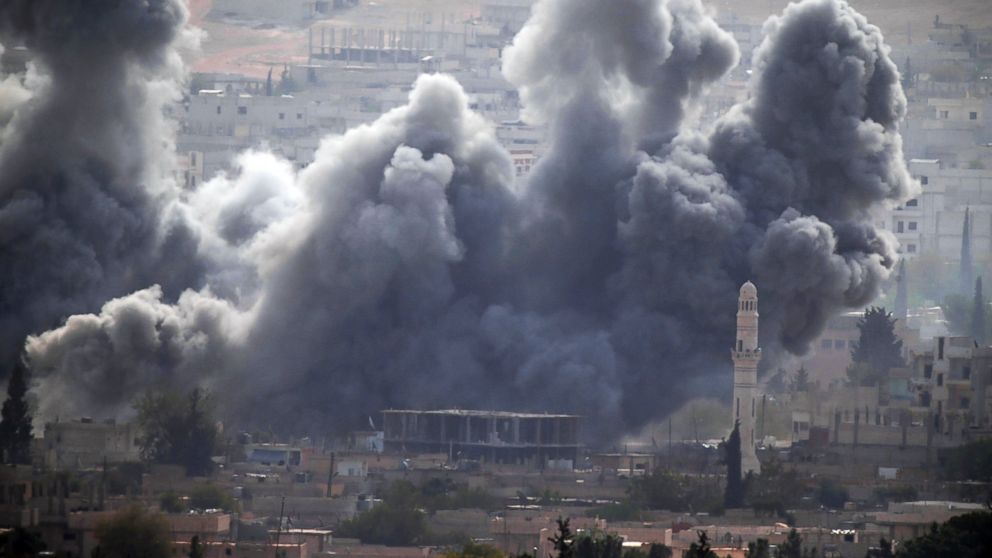
— -- As the U.S.-led airstrikes target ISIS strongholds in eastern Syria, reports emerged that Syria’s air force has intensified its airstrikes on rebel positions in the west.
Opponents of the U.S. strikes argue that they have given an indirect boost to Syrian regime forces, helping them focus their attacks on rebel positions outside of ISIS-held territory.
The strikes have also hit Jabhat al-Nusra positions, which put inter-rebel relations under enormous strain, says Faysal Itani, a fellow at the Atlantic Council. Jabhat al-Nusra, an al-Qaida affiliate, has been one of the sharpest fighting forces against the regime of President Bashar al-Assad. They had won popular support for their successes on the battlefield.
Itani gave Syria Deeply his analysis of the U.S. strikes on ISIS and how they have shifted dynamics on the ground.
Syria Deeply: In your view, what have the U.S.-led strikes on ISIS achieved so far? What have they targeted and hit that makes a material difference to the group?
Itani: The main achievements have been hurting their economic infrastructure, forcing them them to shift from a high-profile governance mode to a much more subtle, dispersed underground mode, and it’s complicated their attempts to launch large-scale offensives to expand their geographic scope of control. These are not insignificant achievements, but they aren’t game-changing either.
Syria Deeply: How have these strikes changed the battle dynamic on the ground? Have they been a palpable setback for ISIS?
Itani: Yes. If it weren’t for the strikes, ISIS would have certainly taken Kobani and they would’ve probably made more progress in Aleppo than they have. The airstrikes do slow things down and force ISIS to be more cautious.
On the battleground, this helps the regime. Fighting ISIS, going after them in their heartland of Deir Ezzor, Raqqa and Hassakeh provinces, means fighting them in areas that are not ISIS positions near major frontlines with the regime.
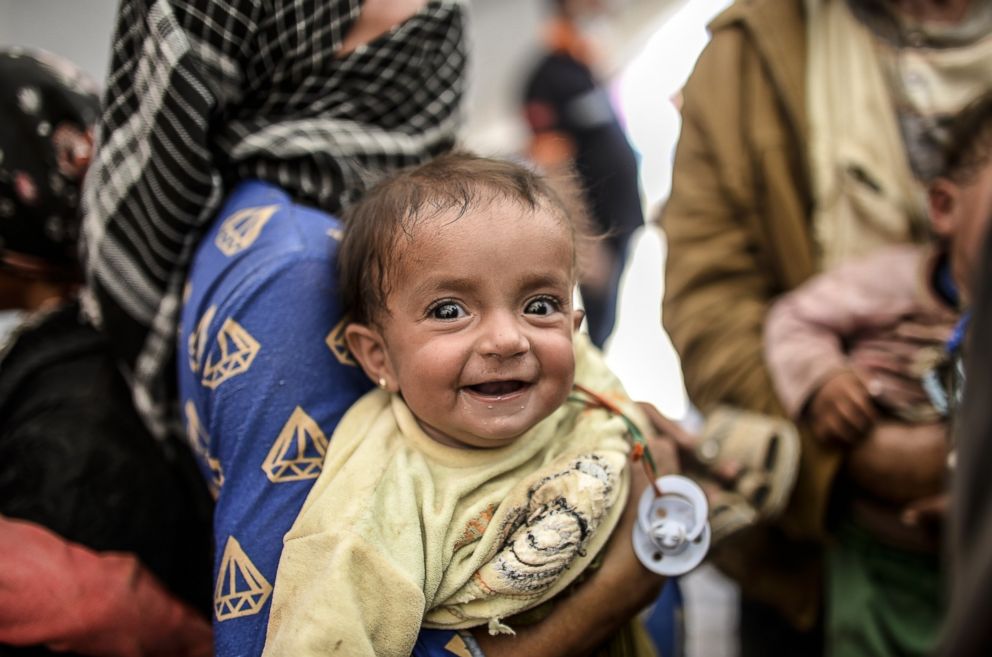
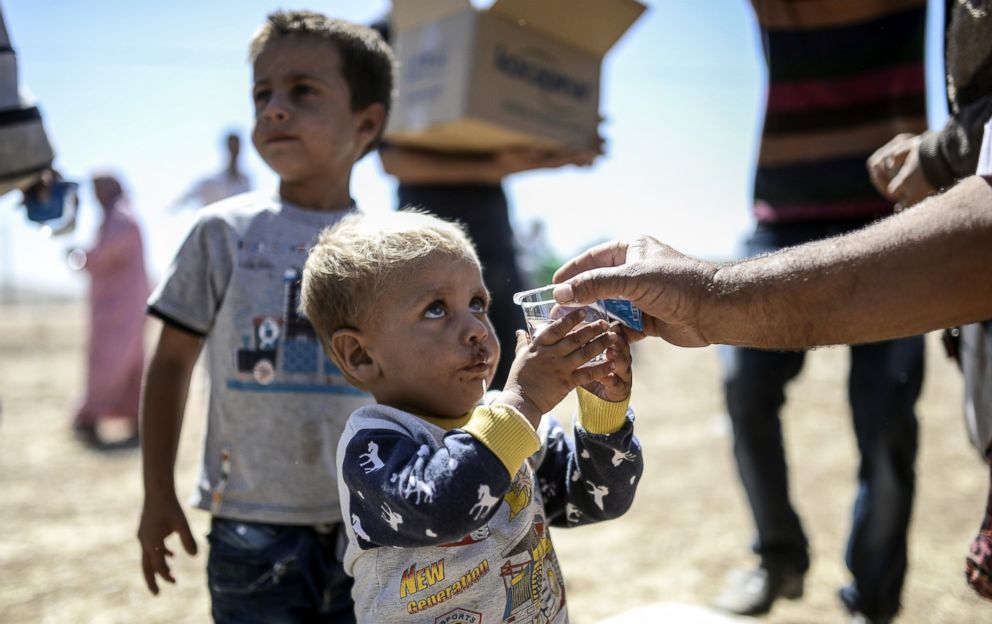
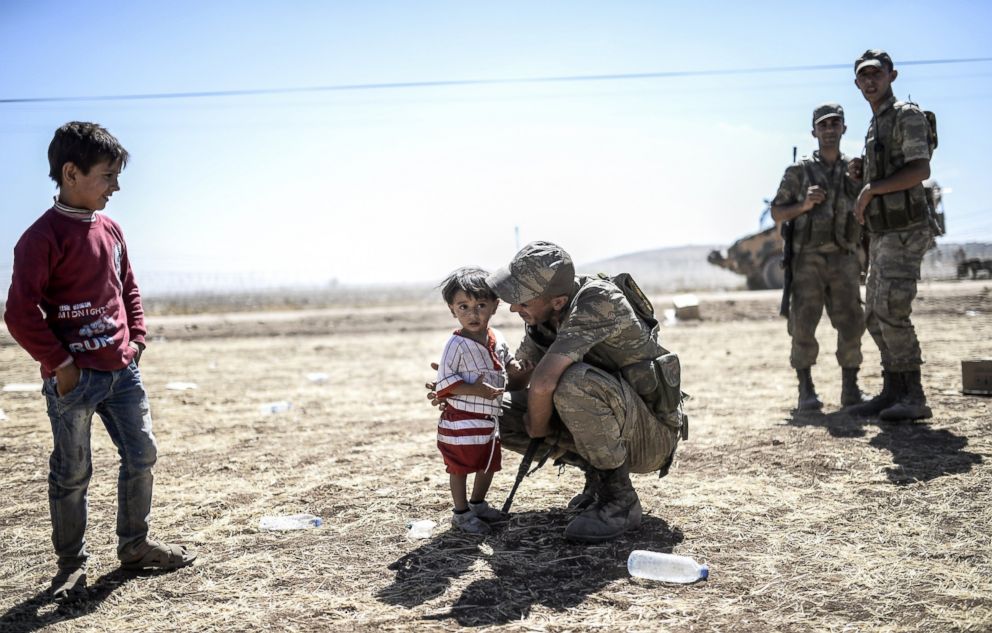
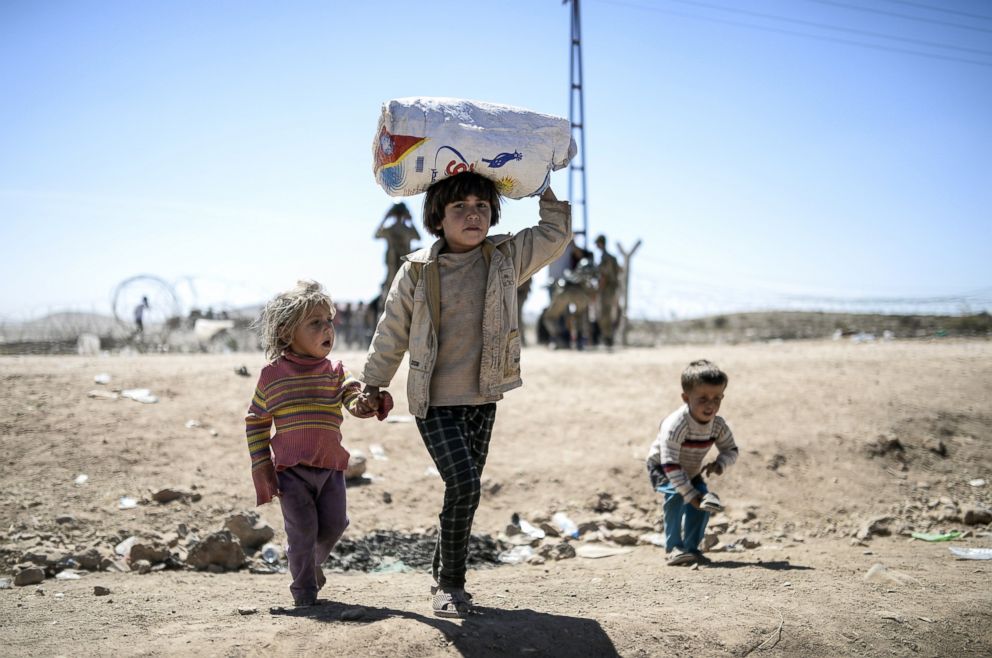
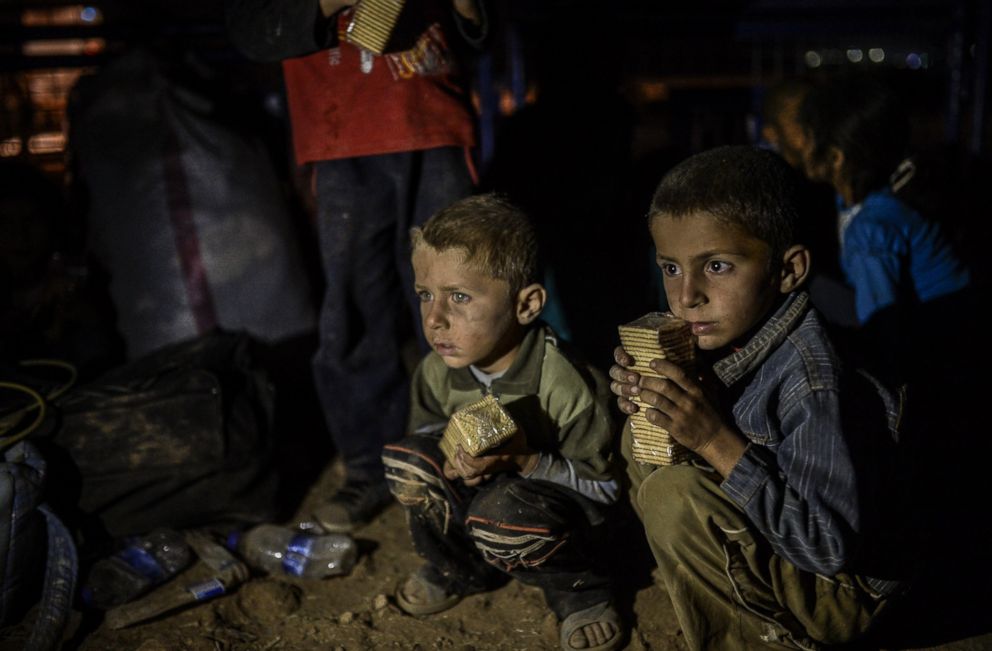
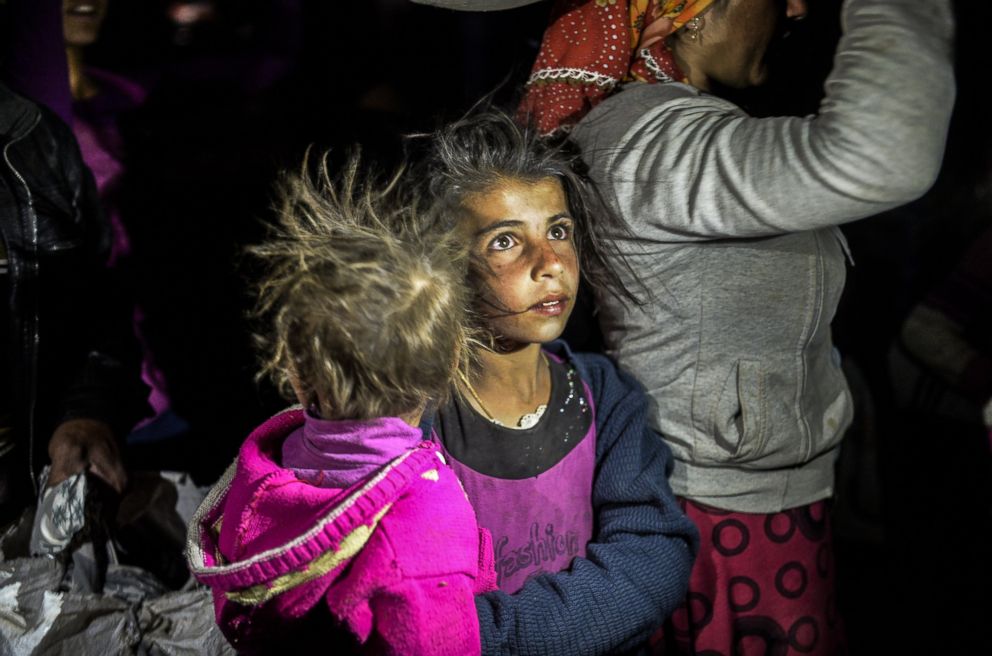
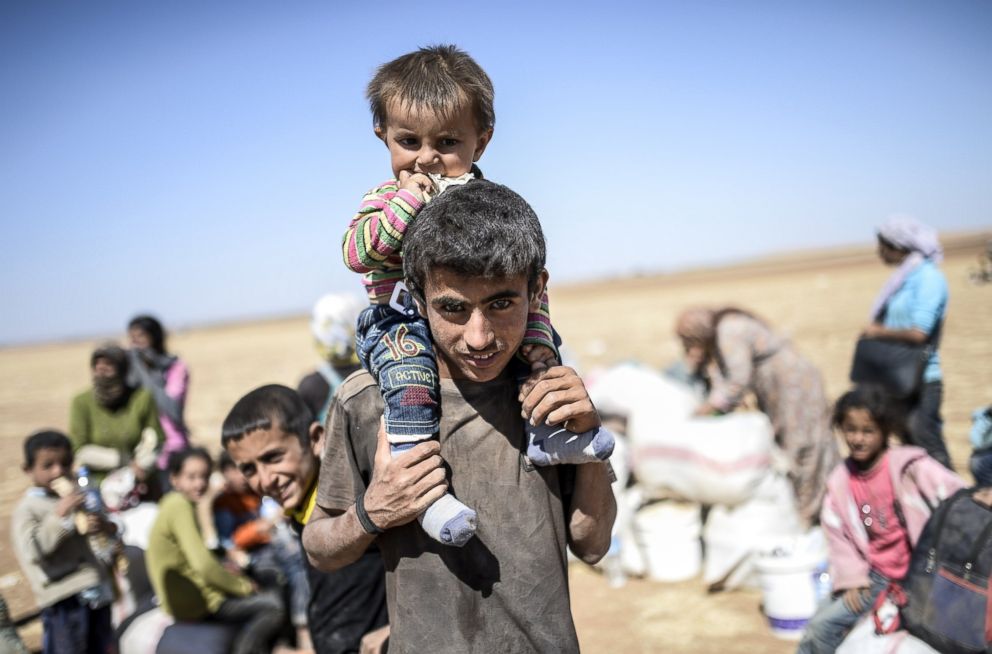
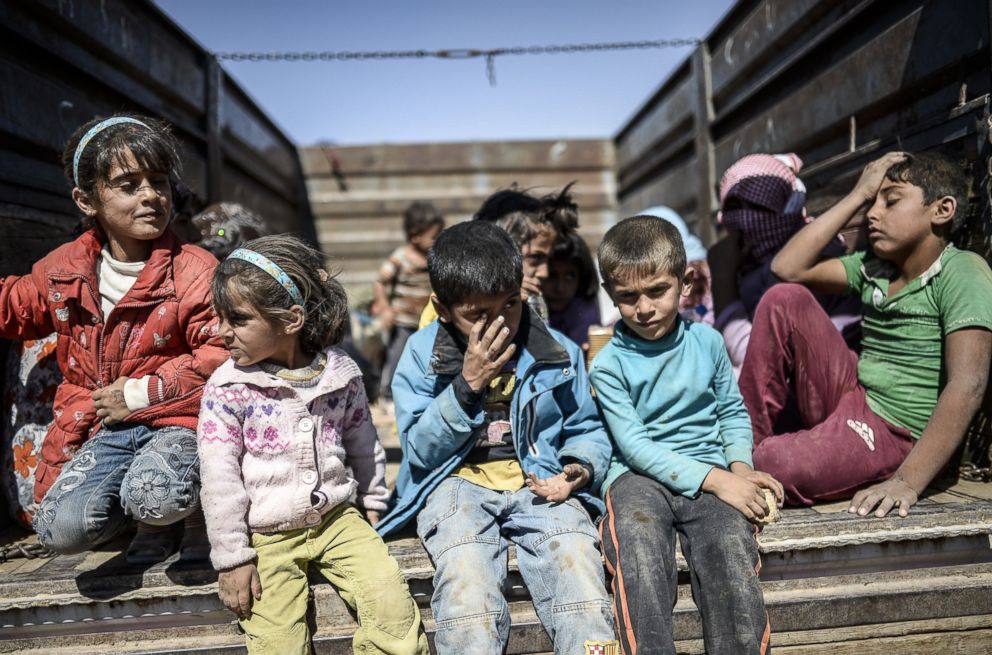
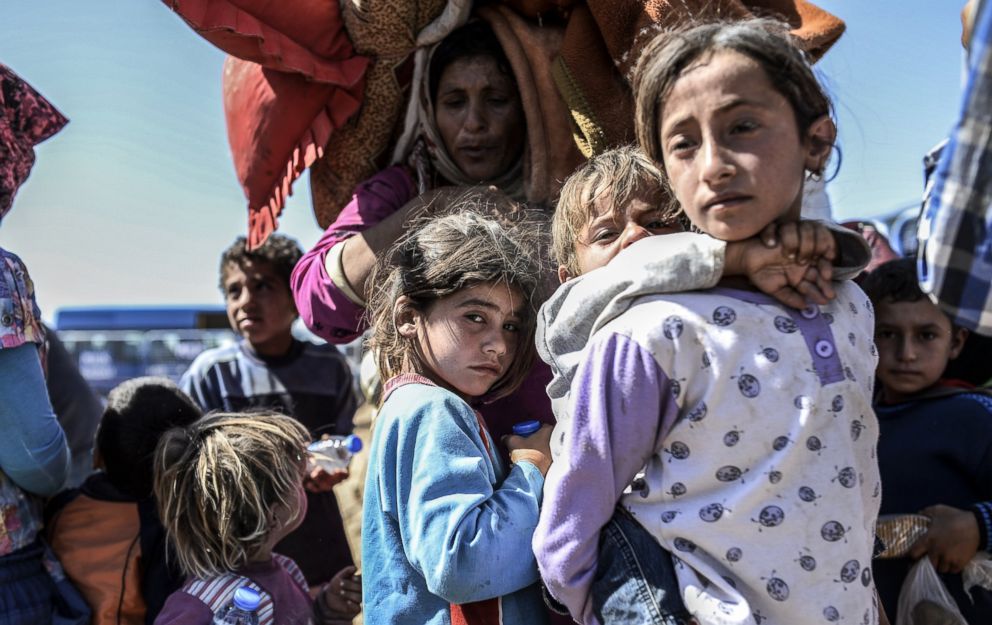
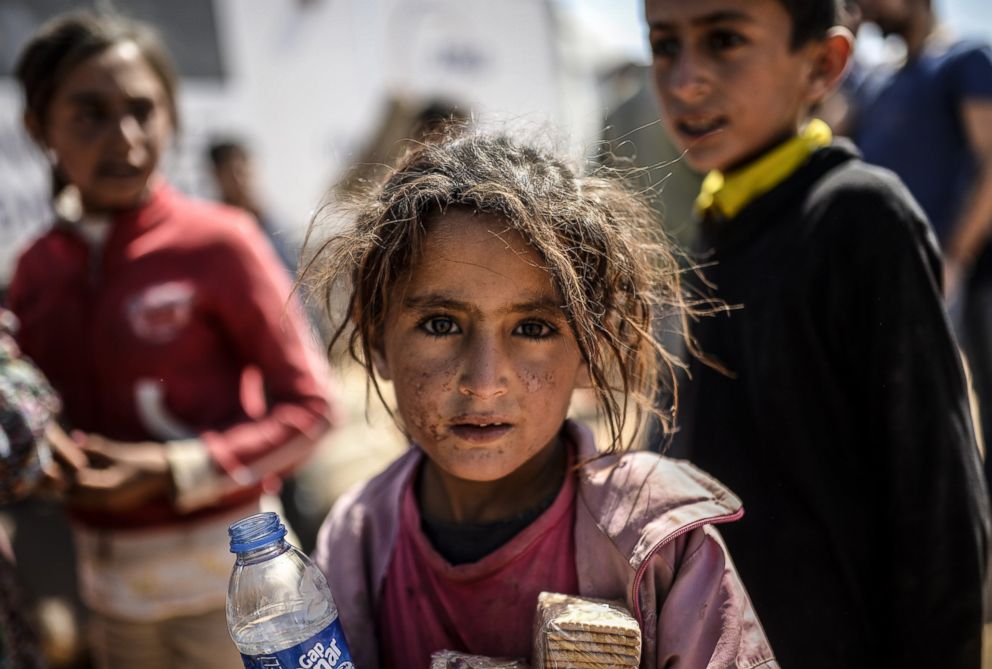
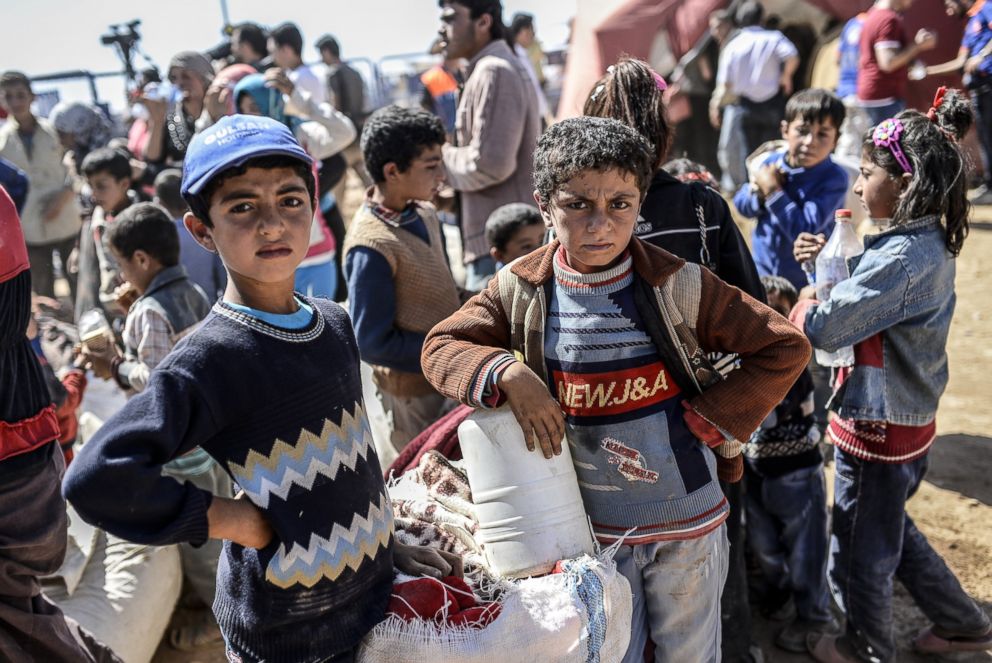
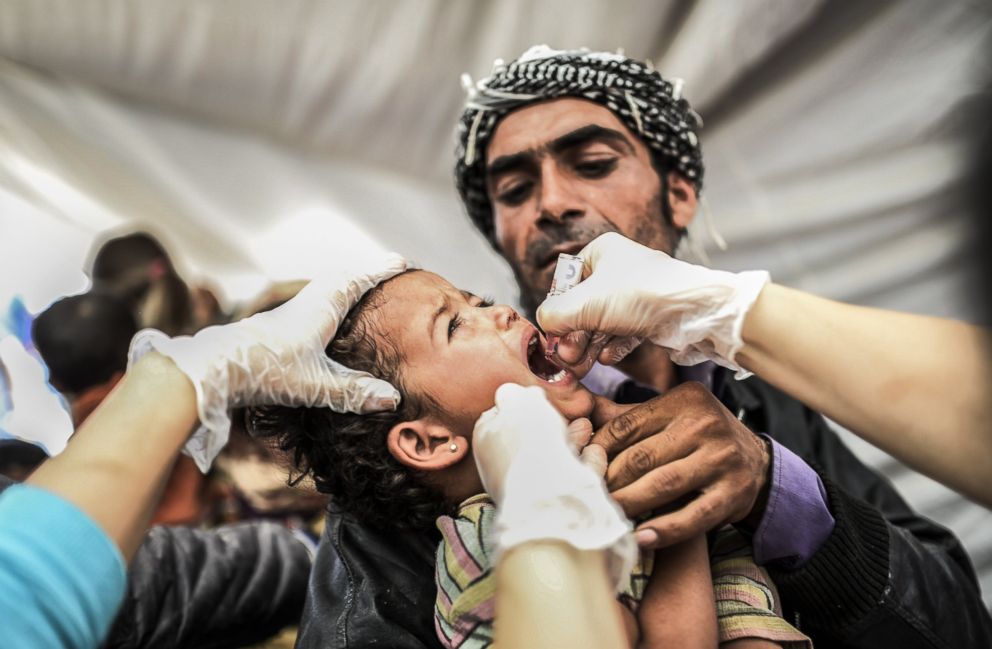
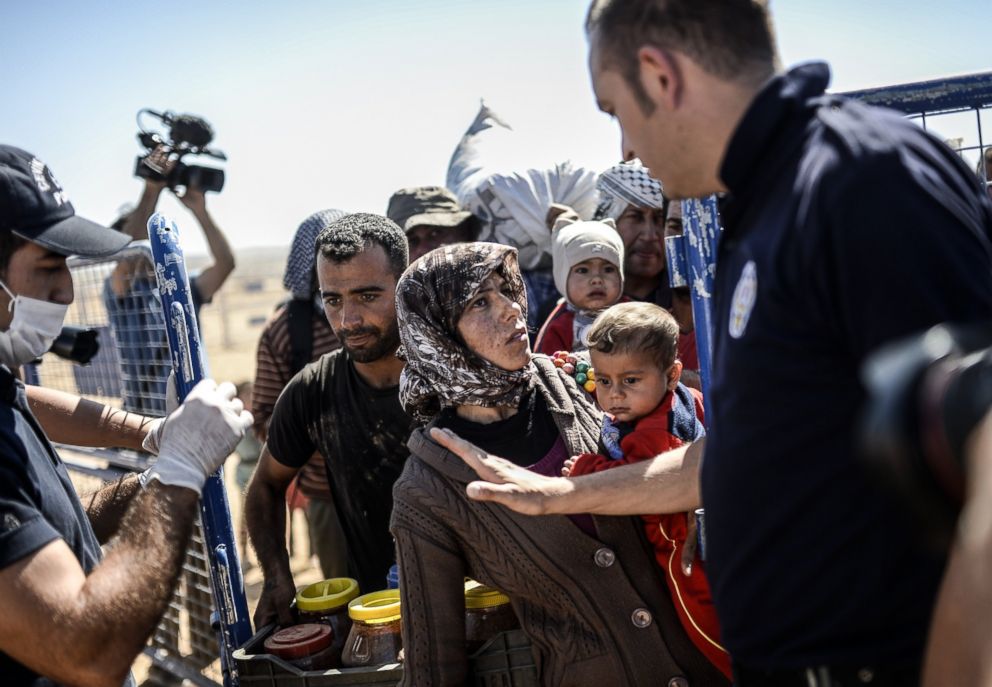
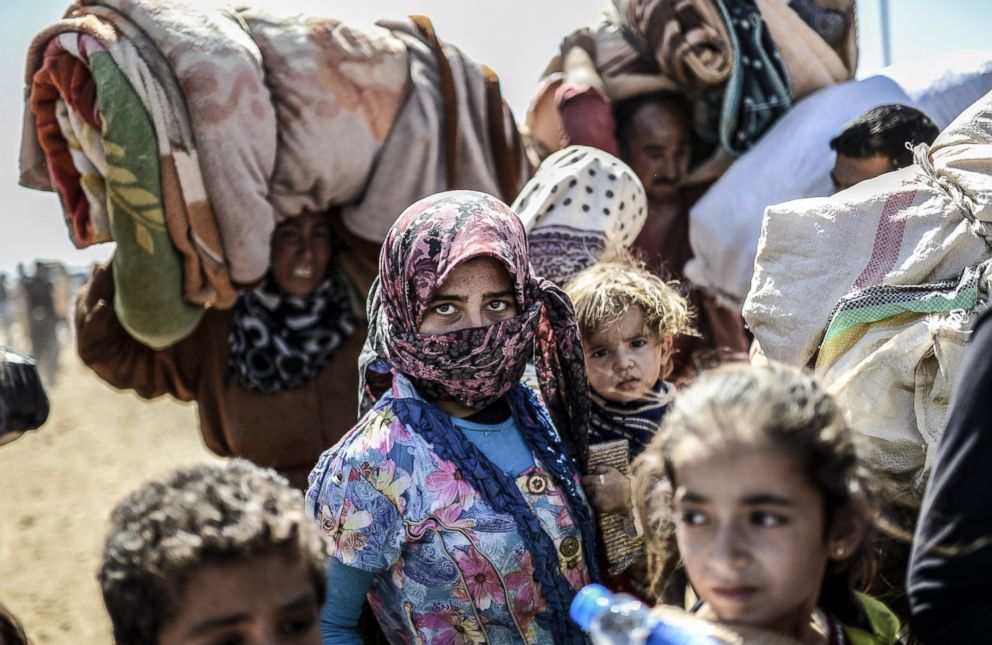
Heartbreaking Photos of Syria's Smallest Refugees
Children flee conflict in Syria.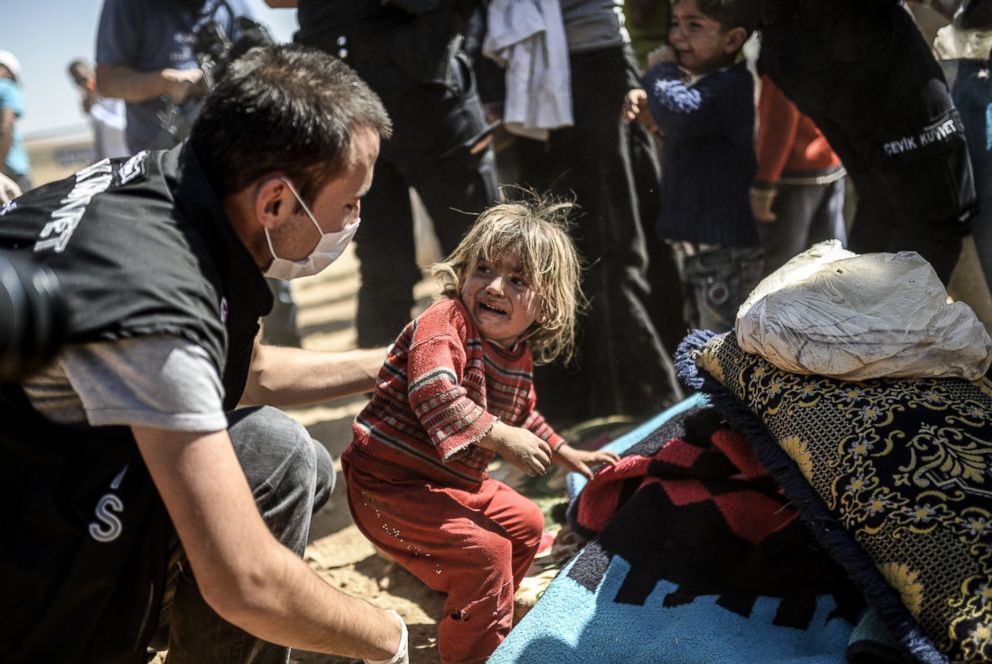
What’s ended up happening in effect is that it’s freed up regime resources against what the regime sees as the more important frontlines, in the western and central parts of Syria.
Syria Deeply: How vulnerable are the rebels now to attacks from both ISIS and the regime?
Itani: There are different levels of vulnerability in different areas. They seem to be doing more or less okay in the southern theater. Around Damascus they are neither better nor worse than they were a couple months ago. They are still relatively safe in their core territory of Idlib province and are still operating in Qalamoun.
They are in trouble in Aleppo. It’s difficult to overstate that point. They are in trouble in Aleppo city itself; their logistical position in the province isn’t secure.
Syria Deeply: What is the current state of the battle in Aleppo – a critical test between the regime and rebels? What are the implications of the regime gaining ground?
Itani: There hasn’t been dramatic progress on either side. I think the regime will struggle with this one. They tried to take certain neighborhoods; they made some progress north of the city against rebel supply lines but were pushed back and the supply lines were reopened. There is now a critical Ahrar al-Sham offensive in the critical regime area southeast of Aleppo.
To the extent that this air campaign will have any effect, it will be harmful for the rebel groups. Politically, this air campaign has placed the rebel groups in a very difficult position vis-à-vis Jabhat al-Nusra in particular.
Jabhat al-Nusra is obviously an enemy of the U.S. and I would imagine that it will continue, in some instances, to be a target. The perception now is that the alleged allies of the mainstream rebel groups are now fighting against the jihadists without doing anything against the regime, and, in some Syrian eyes, the allies might be cooperating with the regime. This puts the rebels in a difficult position against one of the most capable groups in the landscape, Jabhat al-Nusra.
Their absolute marginalization from the military effort, and the fact that it exposes them to a freer regime hand, is very bad for them, particularly in their standing among the population, but also to their military situation and physical security.
As a result, they are suffering from the political fallout and their overall strategic positions vis-à-vis the regime.
Syria Deeply: The U.S. says that Turkey would help vet and train rebels on its soil – also, that it would more tightly monitor the flow of foreign fighters across the border. How easy or hard is that to do? What are the potential complications?
Itani: Two things are finite. First of all, there is the physical difficulty of the task. It is a big border, it's difficult to control who comes in and out of Turkey and discern what their attentions are.
More broadly, Turkey isn’t particularly interested in ISIS. They don’t like them, but they view them as the larger problem ultimately rooted in the regime’s mismanagement of the country. In their view, they will deal with ISIS down the line, but first they want to deal with the regime. Some of the foot-dragging and the ambivalence towards going after ISIS is rooted in that.
The rebel force, the buffer zone and the cross-border operations are all contingent on a robust U.S.-led effort. This is not something that Turkey can decisively do on its own, nor is it something that Turkey wants to risk politically and militarily.
I think Turkey is concerned about what will happen if they start this ground war. Will they be fighting Assad’s enemies by themselves, and exposing themselves to possible PKK empowerment, possible backlash by ISIS, and possibly undermining the position of their supposed rebel allies in northern Syria? It’s a mess. As heart-wrenching as it is to see what’s happening in Kobani, to ask the Turks to do otherwise in this vacuum is against their interests.
This article originally appeared on Syria Deeply.