Ancient dog bone reveals when man's best friend migrated to North America
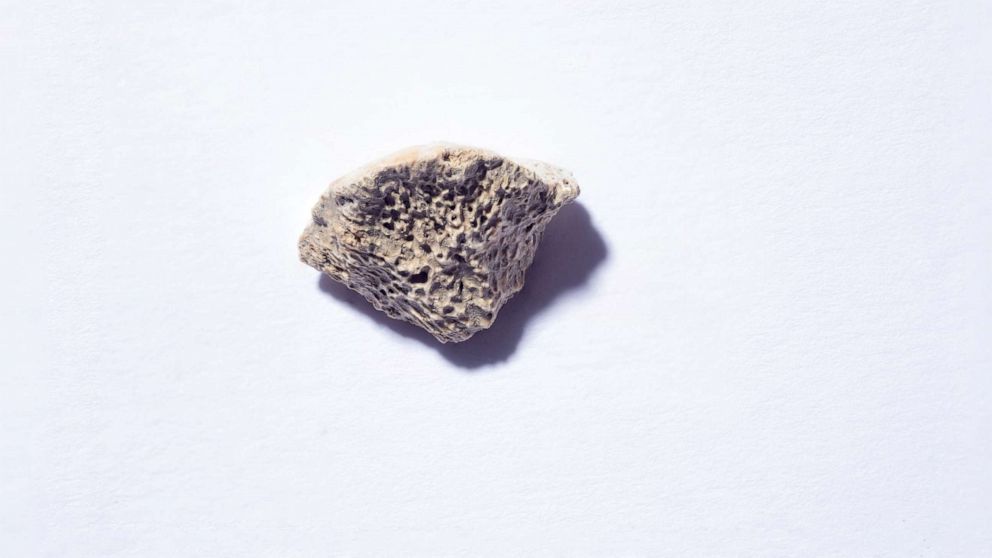
Researchers have narrowed down a timeline for when man's best friend may have migrated to North America based on a 10,000-year-old bone fragment of a dog found in southeast Alaska.
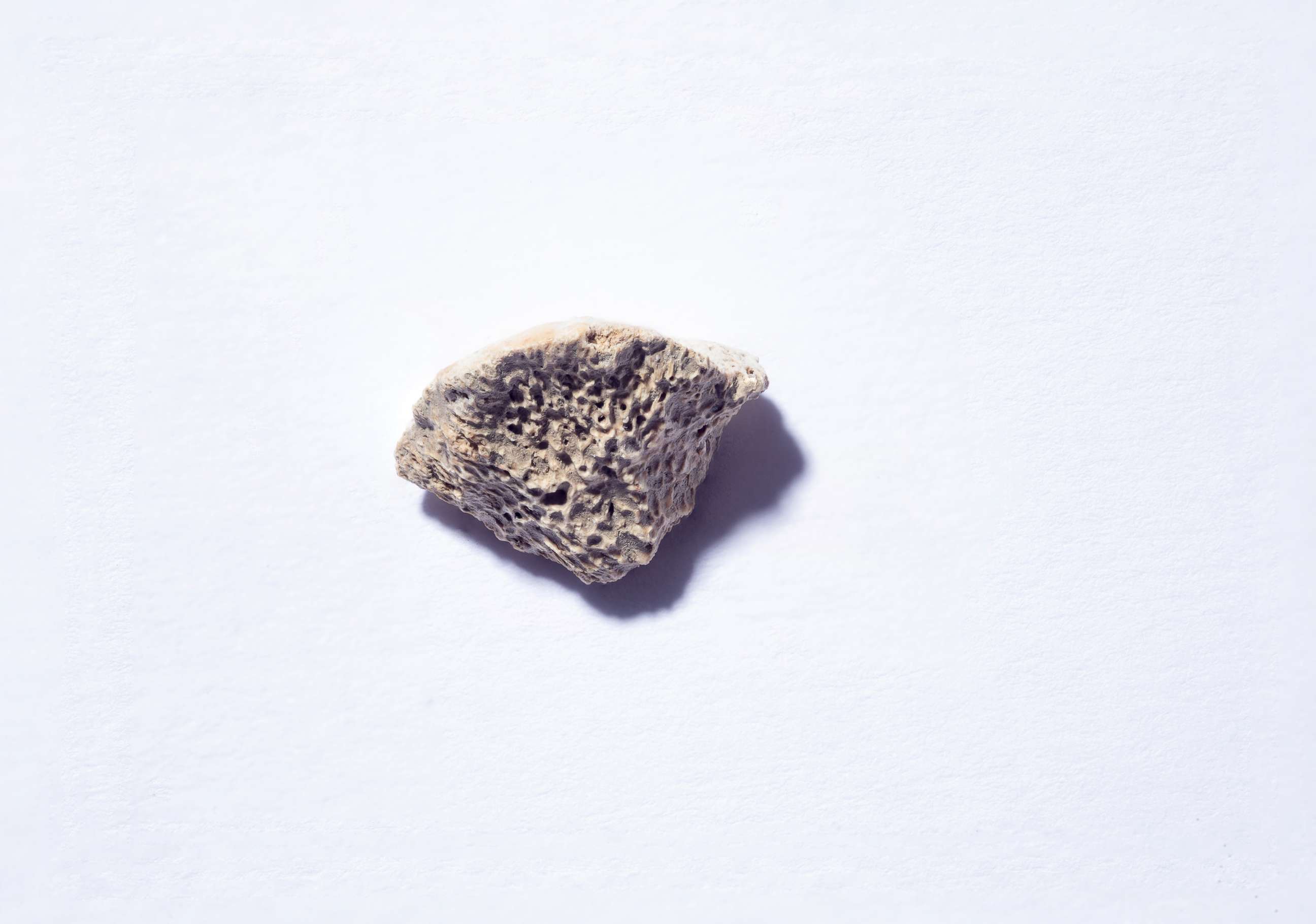
The femur fragment, smaller than the size of a dime, was uncovered by surprise as scientists were studying how climate changes during the Ice Age impacted animals' survival and movements, according to a press release by the University of Buffalo.
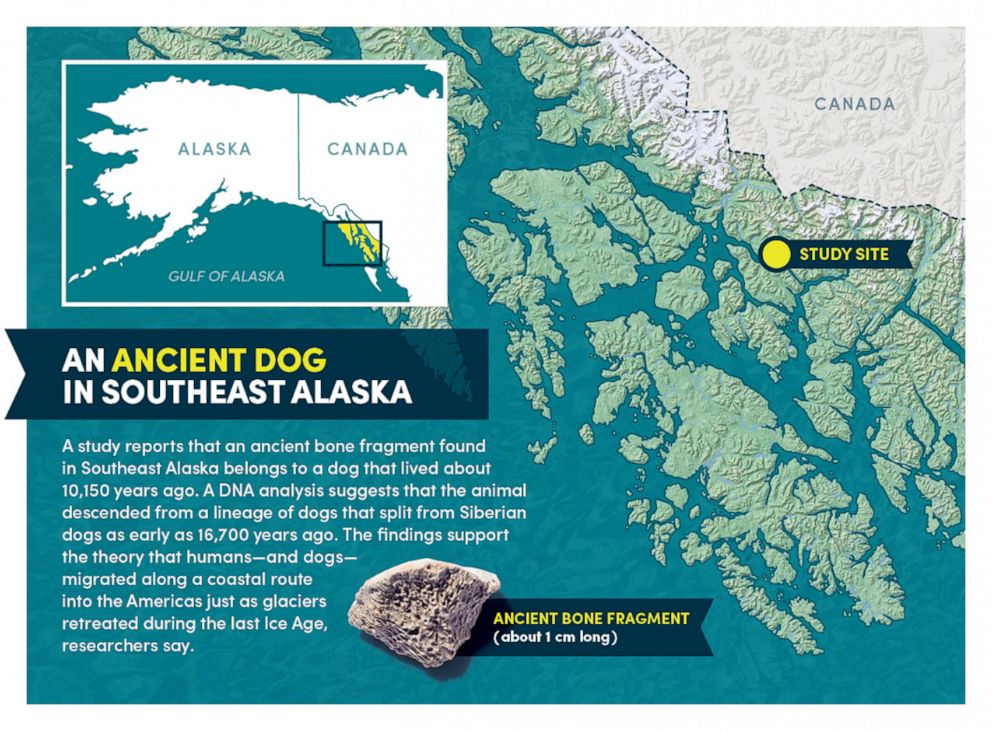
Researchers were sequencing DNA from a collection of hundreds of bones found in the region years ago when they realized that the small bone, originally thought to have come from a bear, contained DNA from a dog that lived about 10,150 years ago, the release stated.
"This all started out with our interest in how Ice Age climatic changes impacted animals' survival and movements in this region," University of Buffalo evolutionary biologist Charlotte Lindqvist, lead author of the study published Tuesday in the U.K.-based journal The Royal Society, said in a statement. "Southeast Alaska might have served as an ice-free stopping point of sorts, and now -- with our dog -- we think that early human migration through the region might be much more important than some previously suspected."
Dogs were domesticated in Europe between 32,000 and 18,800 years ago. The findings suggest that dogs first migrated to the Americas around 16,000 years ago, according to the study.

The bone's DNA suggests that it came from a canine that diverged from a Siberian dog as early as 16,700 years ago, scientists determined. The timing of that split coincides with a period when humans may have been migrating into North America along a coastal route that included southeast Alaska.
There have been multiple waves of dogs migrating to the Americas, according to the study. Arctic dogs arrived from East Asia with the Thule, ancestors of all modern Inuit peoples inhabiting the Arctic. Siberian huskies were imported to Alaska during the Gold Rush, and other dogs were brought by European colonizers.
But, the exact timeframe for when dogs first ventured into the Americas was previously unclear. The findings from the bone coincide with when humans first arrived to the Americas, after the last Ice Age when coastal glaciers began to retreat.
This suggests "that dogs accompanied the first humans that entered the New World," according to the study.
"The history of dogs has been intertwined, since ancient times, with that of the humans who domesticated them," the release stated.
However, the fossil record of ancient dogs on the North American continent is still incomplete, so any new remains that are discovered will provide important clues, said University of Buffalo biological sciences student Flavio Augusto da Silva Coelho.
Prior to the discovery, the earliest ancient dog bones found in the U.S. were in the Midwest, Coelho said.