Antarctic glacier retreating at rate 10 times faster than previously measured: Study
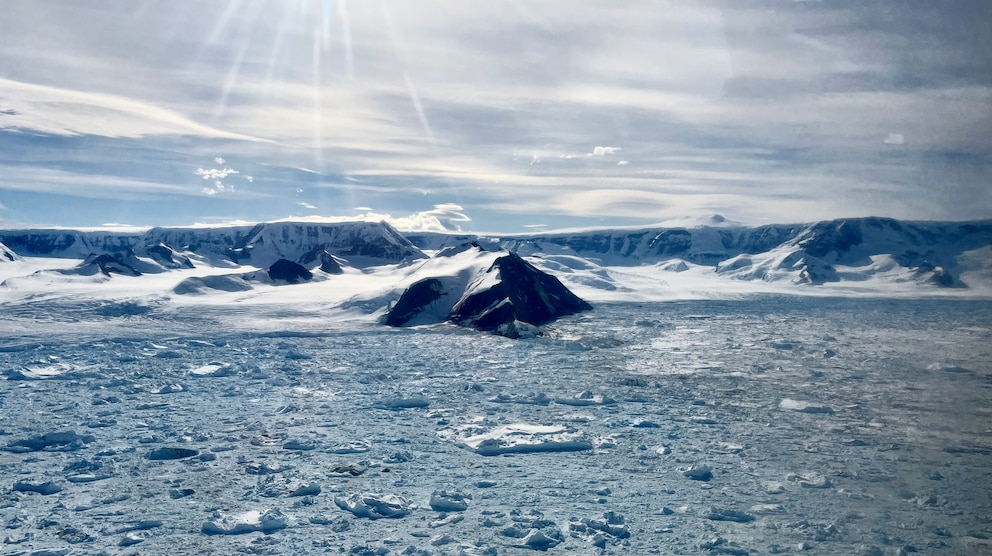
An Antarctic glacier has experienced a rapid retreat 10 times faster than previously measured, according to new research.
Glaciologists recorded a five-mile retreat in just two months on the Hektoria Glacier on the eastern Antarctic Peninsula -- a rate nearly 10 times faster than previously measured for a grounded glacier, according to a paper published in Nature Geoscience on Monday.
Researchers had been monitoring the Larsen Bay area in Antarctica since 2021 because the breaking of a large chunk of sea ice attached to the shoreline appeared imminent, Naomi Ochwat, a glaciologist at the University of Colorado, Boulder, and a postdoctoral researcher at the University of Innsbruck in Austria, told ABC News.
That piece of sea ice broke by January 2022, and the team kept monitoring to see how glaciers in the region would respond, Ochwat said.
"Glaciers have a tendency to react if you remove the floating part of them," she said.
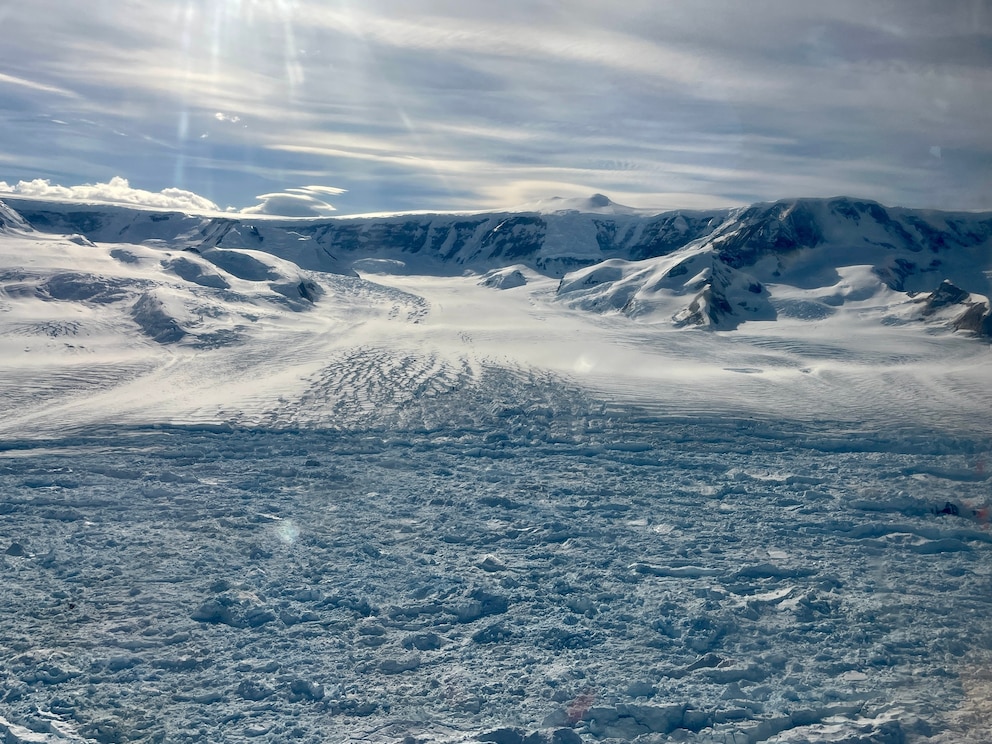
Later that year, even more ice -- this time from Hektoria -- would fall into the sea.
Grounded glaciers, which are not floated and fixed to the land, typically retreat less than about 1,000 feet per year, the researchers said. But images taken by satellite and plane between November and December 2022 indicate that the glacier retreated nearly half a mile per day at some points, according to the paper.
As the grounded glacier thinned, it likely retreated onto an ice plain -- the bedrock the glacier rests on between the grounded and floating portions.
Eventually, the entire ice plain became exposed to the ocean, which caused it to go afloat and exacerbate the glacier calving even more, the researchers said.
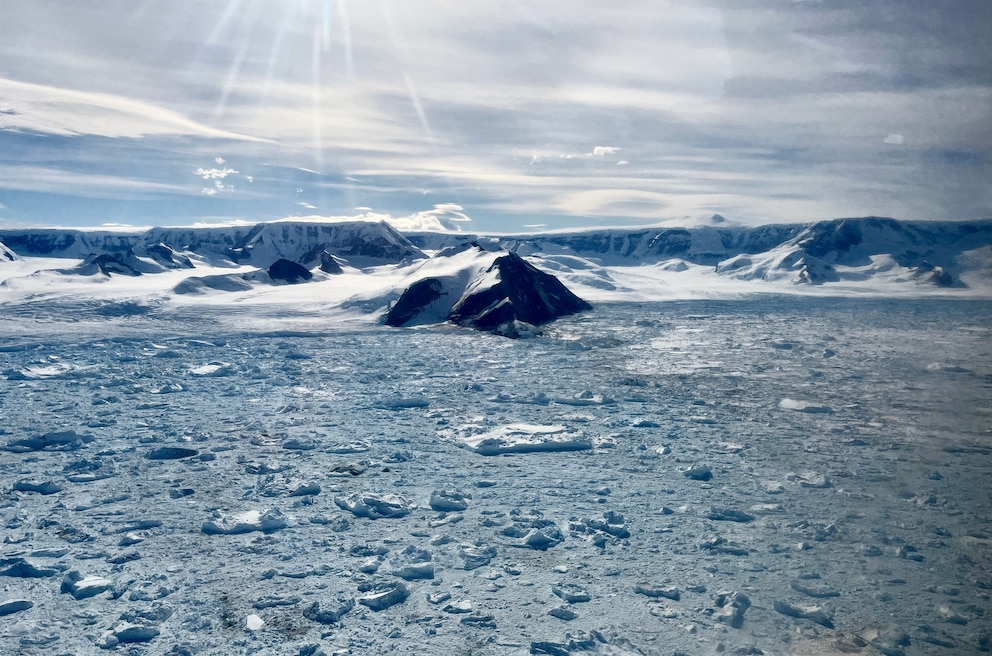
The calving was so drastic that it caused measurable earthquakes in the region as the grounded glacier broke apart, Ochwat said.
Hektoria continues to calve giant icebergs into the sea, according to the paper.
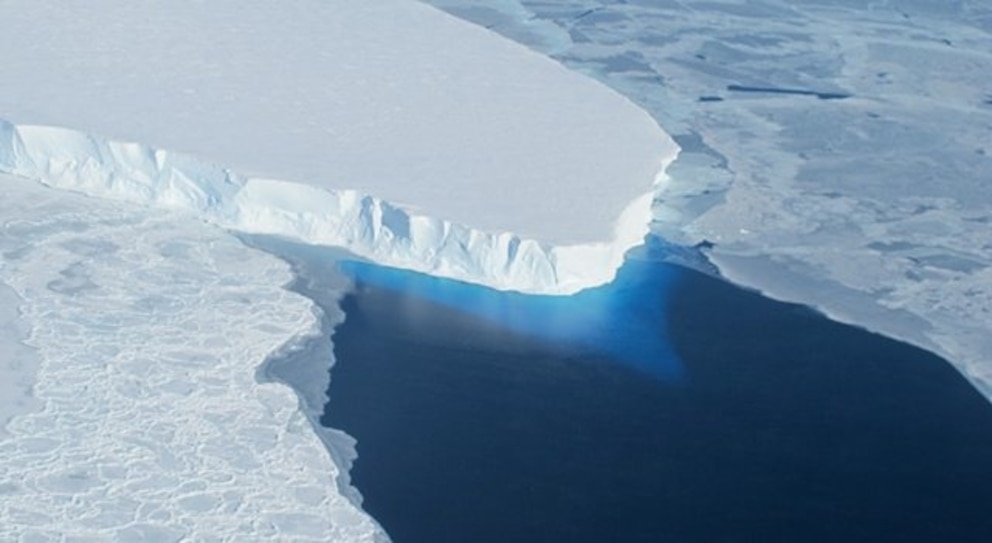
Antarctica is the subject of intense scrutiny by climate scientists due to its potential to significantly contribute to sea level rise as global temperatures continue to warm.
The continent's western shelf is of particular concern, as it is home to two unstable glaciers. The Thwaites Glacier, also known as the "Doomsday Glacier," already contributes to 4% of overall sea level rise. Meanwhile, the Pine Island Glacier is Antarctica’s fastest-melting glacier.
Similar calving at either Thwaites or Pine Island could have "significant implications" for the stability of sea level rise, Ochwat said, adding that the findings of the paper underscore the importance of understanding the bedrock in Antarctica.
"We definitely need to study it more," she said.