• Video
  • Shop
  • Culture
  • Family
  • Wellness
  • Food
  • Living
  • Style
  • Travel
  • News
  • Book Club
  • Newsletter
  • Privacy Policy
  • Your US State Privacy Rights
  • Children's Online Privacy Policy
  • Interest-Based Ads
  • Terms of Use
  • Do Not Sell My Info
  • Contact Us
  • © 2026 ABC News
  • News

Bionic Eye Lets Blind Man See Wife For 1st Time In 10 Years
1:24
The Mayo Clinic
Bionic Eye Helps Man See For First Time in a Decade
Courtesy Mayo Clinic
ByLIZ NEPORENT
February 25, 2015, 5:36 PM

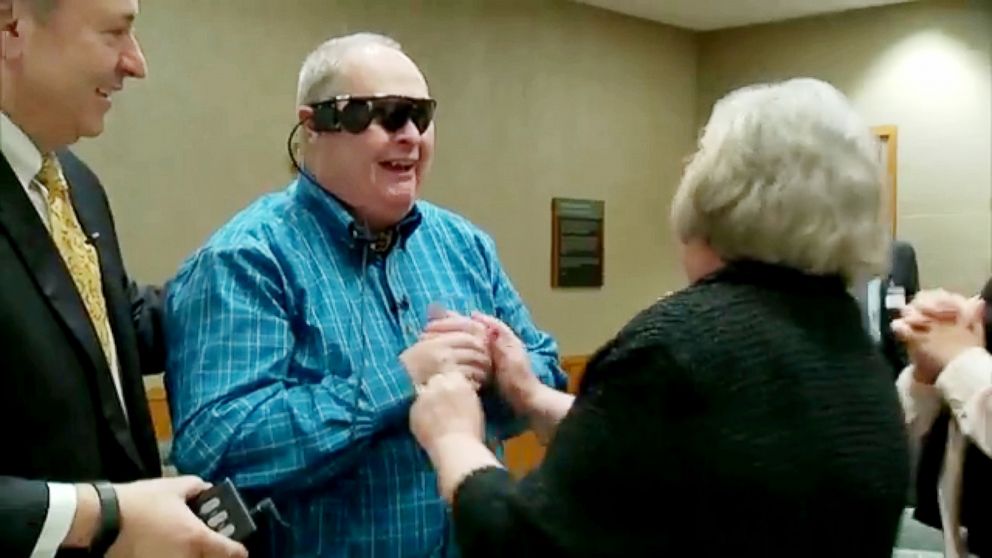
— -- It was love again at first sight for a man who went blind 10 years ago.

Allen Zderad, a 68-year-old retiree from Minnesota, saw his wife for the first time in more than a decade thanks to a bionic eye implanted by doctors at the Mayo Clinic earlier this month.

Related Articles

3 Questions Parents Have About Peanut Allergies

Related Articles

Boy Finds Kidney Donor in First-Grade Class

Related Articles

Scientists Make a Million Dollar Bet Who Will Die Last

“Thank you,” Zderad said in the touching scene captured on video. “It’s crude but it’s significant. ... It’ll work.”
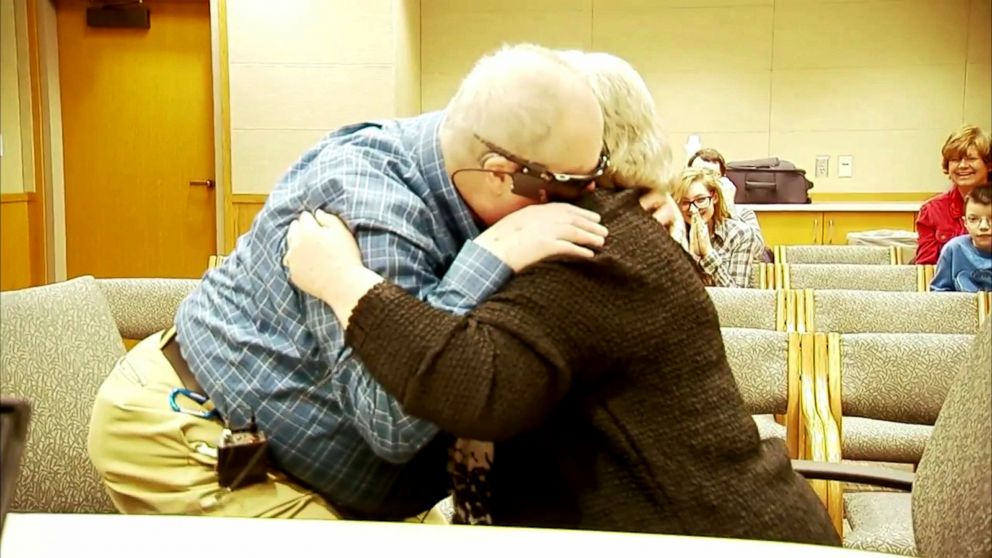
The "bionic eye" technology was designed by Second Sight.

“Who do you see?” His wife Carmen asked Zderad just before the two hugged each other in a long, tearful embrace.
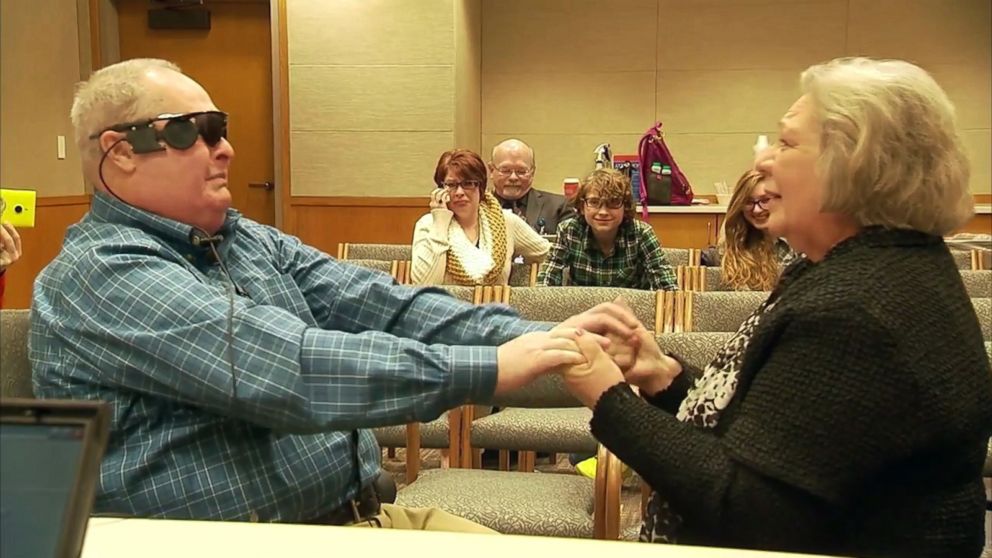
Zderad described what he sees as "artificial sight" that allows him to see shapes, forms and outlines.

Zderad has retinitis pigmentosa, a degenerative condition that attacks the retina. There is no treatment or cure for the disease. He told ABC News his vision gradually deteriorated over a 20-year period until he was only able to sense very bright light.

After his grandson was diagnosed with the same condition last year, Zderad was recruited by the Mayo Clinic and Second Sight, the implant’s maker, to test out the device. Dr. Raymond Iezzi Jr., a Mayo Clinic researcher and ophthalmologist, performed the surgery.

The bionic eye implant sends light wave signals to the optic nerve, bypassing the damaged retina, a statement from the Mayo Clinic explained. In January, a tiny wafer-like chip was embedded in Zderad's right eye. Two weeks later, the eyeglass-style prosthetic device was activated.

Zderad described his new-found abilities as “artificial sight.” He is able to make out shapes, forms and outlines in intermittent flashes. Everything is in black and white now, but with training and periodic upgrades over a five-year period he is confident that he will begin to see more sharply, he told ABC News.

“What an exciting, emotional thing to say that, ‘Yes, that is my wife,’” Zderad said. “I am grateful they made this as much about the person as the technology.”
Up Next in News—

Athlete drowns during Ironman Texas triathlon

April 20, 2026

Skydiver speaks out after crashing into Virginia Tech stadium scoreboard

April 20, 2026

Gas station clerk speaks out after foiling alleged kidnapping

April 15, 2026

Oklahoma high school principal takes down would-be shooter, hailed as hero

April 15, 2026

Shop GMA Favorites

ABC will receive a commission for purchases made through these links.

Sponsored Content by Taboola

The latest lifestyle and entertainment news and inspiration for how to live your best life - all from Good Morning America.
  • Contests
  • Terms of Use
  • Privacy Policy
  • Do Not Sell My Info
  • Children’s Online Privacy Policy
  • Advertise with us
  • Your US State Privacy Rights
  • Interest-Based Ads
  • About Nielsen Measurement
  • Press
  • Feedback
  • Shop FAQs
  • ABC News
  • ABC
  • All Videos
  • All Topics
  • Sitemap

© 2026 ABC News
  • Privacy Policy— 
  • Your US State Privacy Rights— 
  • Children's Online Privacy Policy— 
  • Interest-Based Ads— 
  • Terms of Use— 
  • Do Not Sell My Info— 
  • Contact Us— 

© 2026 ABC News