Boreal forests are expanding northward due to climatological warming, satellite images show
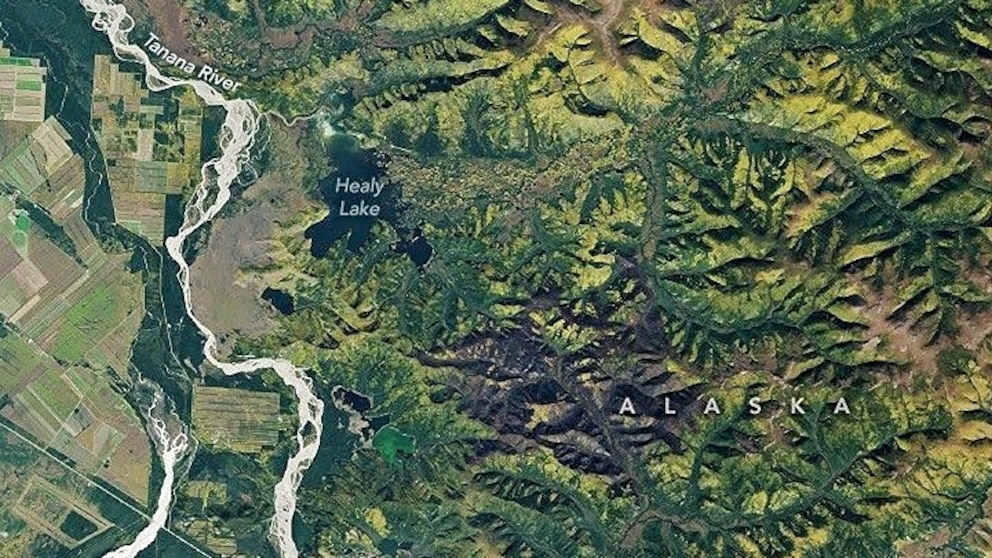
Boreal forests are continuing to shift northward as they warm due to climate change, satellite images taken over the last several decades show.
Boreal forests are the world's largest terrestrial biome – meaning a region characterized by a predominant ecological type – and have "experienced the fastest climatological warming of any forest biome," according to a paper published in the journal Biogeosciences. Annual surface temperatures across boreal forests have increased about 1.4 degrees Celsius, or 2.52 degrees Fahrenheit, over the last century, according to the study.
The research reveals "unprecedented changes" in boreal forests, a "critical ecosystem" that stores more than a third of the world's forests and helps regulate our global climate, NASA said.
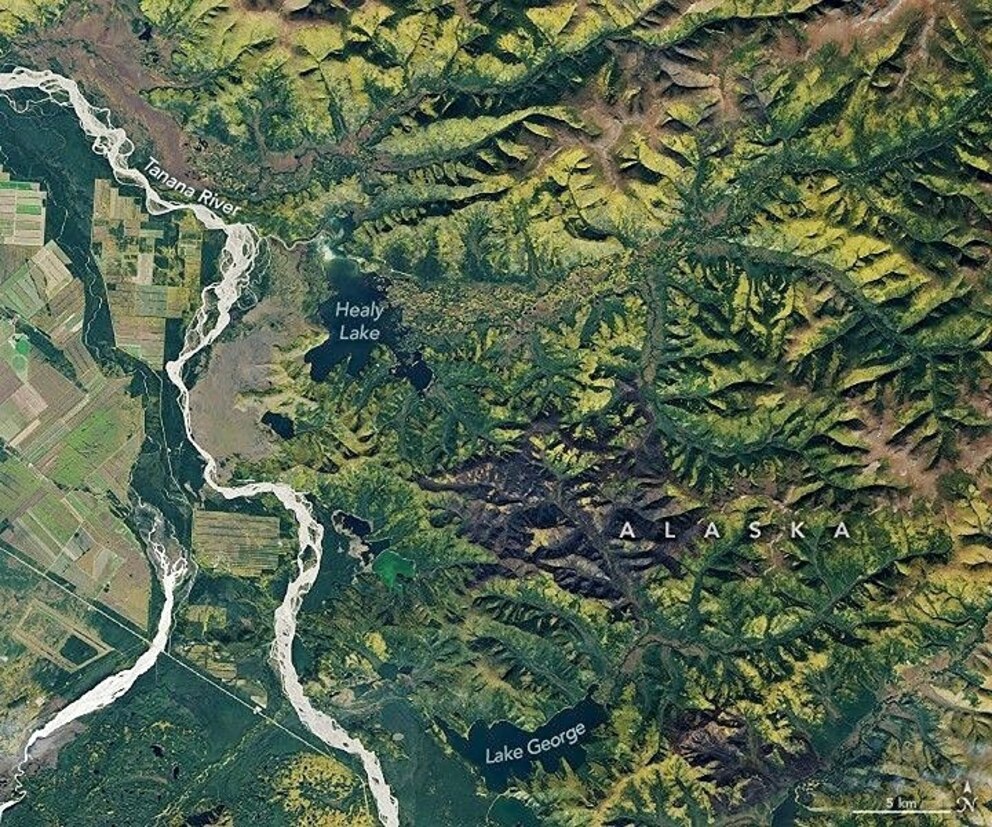
Researchers analyzed nearly a quarter million satellite images taken between 1985 and 2020 as part of the Landsat program, the longest-continuous space-based record of Earth's land run by NASA and the U.S. Geological Survey. The images contain the longest and highest-resolution satellite record of calibrated tree cover to date, according to NASA.
The NASA images confirmed a northward shift in boreal forest cover over the last four decades, as well as a 12% increase in size, according to the Biogeosciences paper.
The researchers also discovered that the growth can increase the capacity for the boreal forests to act as a carbon storage sink, storing carbon dioxide that would otherwise remain the atmosphere, contributing to the greenhouse effect. Forests younger than 36 years present the potential to sequester an addition 2.3 to 3.8 petagrams of carbon, equal to between two and nearly four billion metric tons.
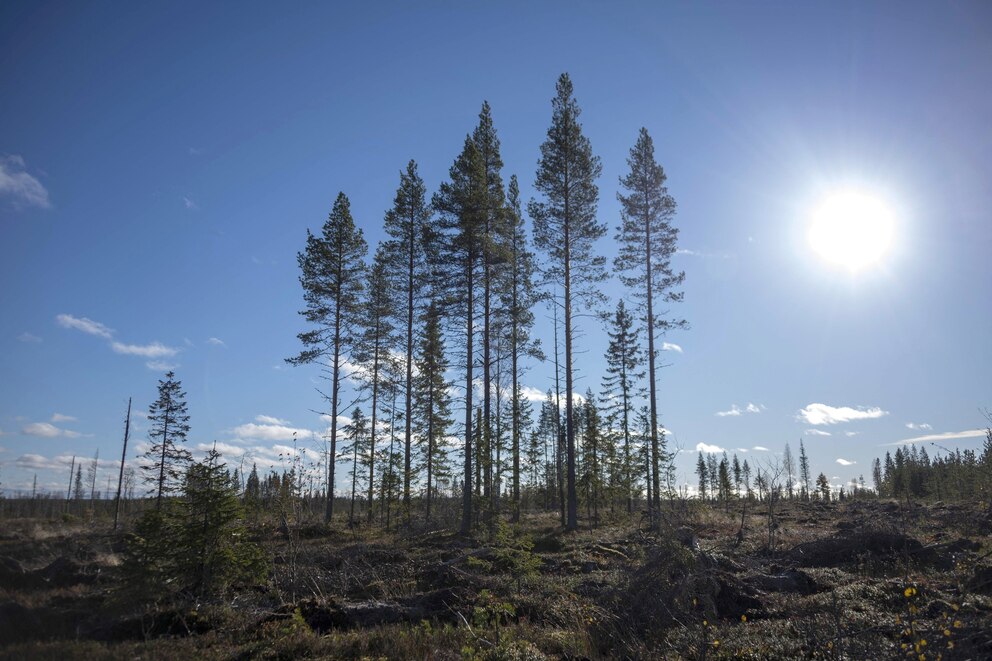
Boreal forests currently span eight countries, including Canada, China, Finland, Japan, Norway, Russia, Sweden and the U.S., according to the International Boreal Forest Research Association. They're typically comprised of coniferous tree species such as pine, spruce and fir, as well as some broadleaf species, such as poplar and birch.
In North America, the largest boreal forest gains were concentrated in the northernmost boreal, while any losses corresponded to widespread forest disturbances, including a bark beetle outbreak in British Columbia and wildfires across western Canada and interior Alaska, the researchers said.
In northern Europe, forest gains were associated with forest management, while in Asia, gains were observed in areas of post-Soviet agricultural abandonment, as well as in larch forests near the Yakutsk permafrost zone in Russia's Eastern Siberia, according to the paper.
Field studies have shown that climate, soil properties and forest management drive large differences in boreal tree growth rates across the ecotone – defined as the dynamic transition zone between two adjacent ecological communities – the researchers said.
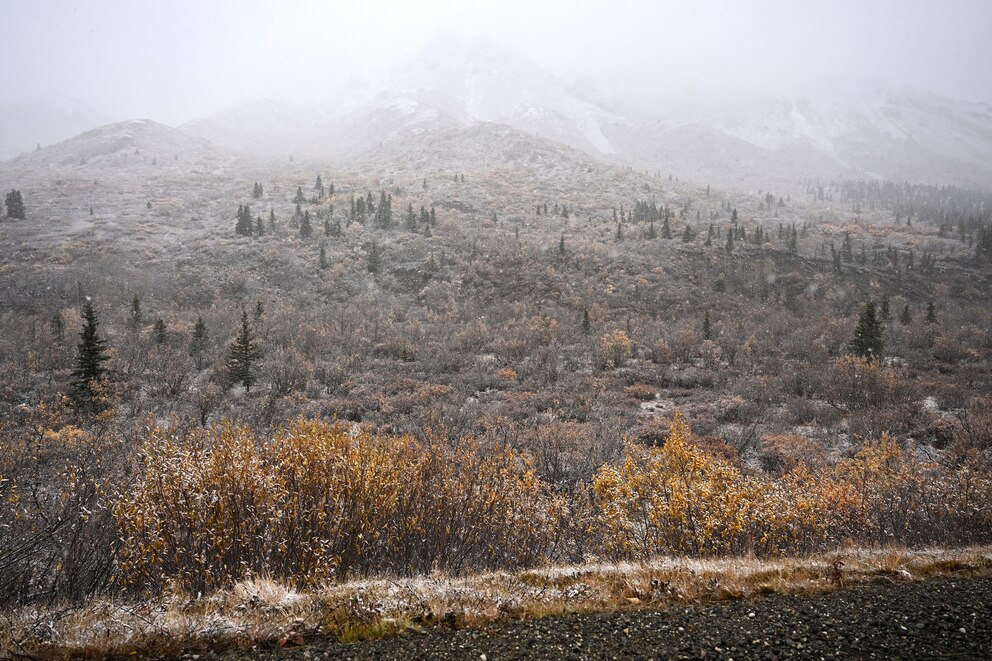
The distribution of the tree cover is the most dense in the southern portions of the boreal biome and decreases to the north, according to the paper. The forests are marked by sparse conifer stands, woodlands, herbaceous vegetation, and unvegetated barrens that dominate the transition to Arctic tundra.
Tree cover is almost absent above 71 degrees north latitude, approaching the Arctic Circle, the researchers said.