Shrinking forests are giving mosquitoes a greater taste for human blood, study suggests
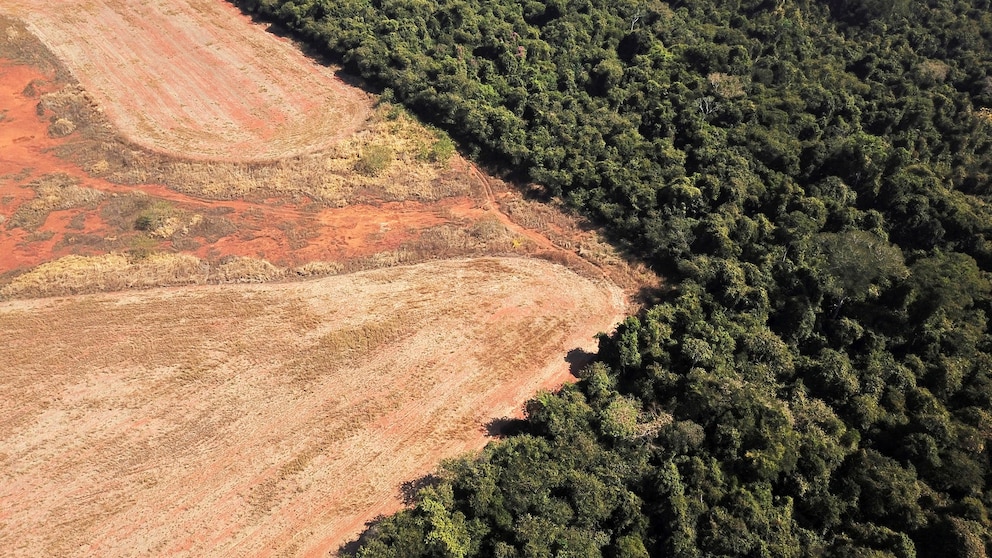
As forests shrink and wildlife disappears, mosquitoes are increasingly turning to people for their blood meals, a shift that raises real concerns about the potential spread of diseases that affect humans.
A new study published in the journal Frontiers suggests these buzzing, biting insects are playing a growing role in the increased transmission of Zika, yellow fever, dengue and other diseases that mosquitoes pass on to people, thanks in part to disappearing habitats.
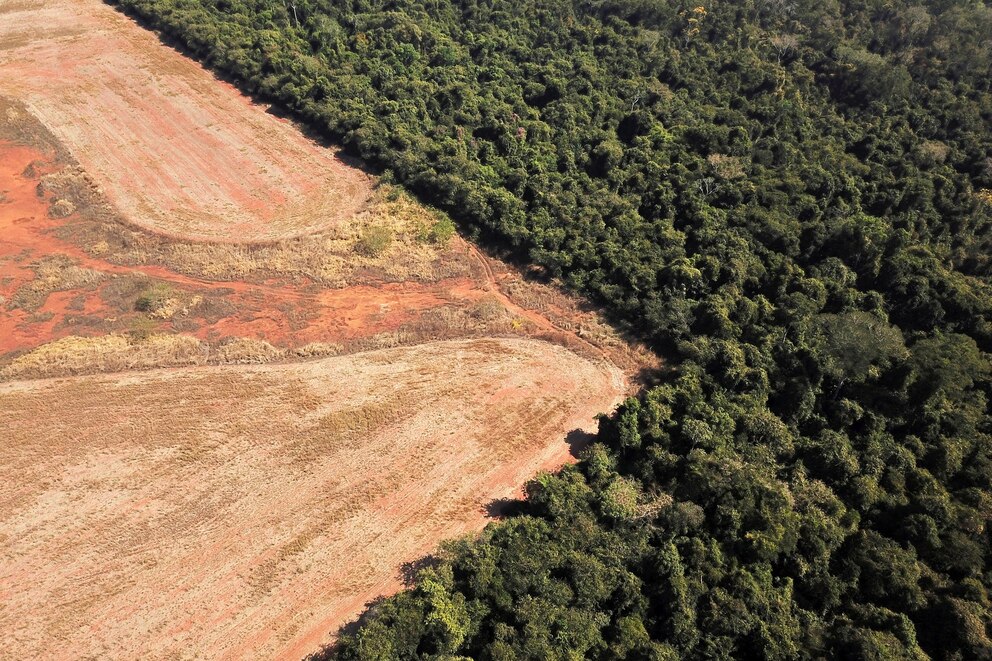
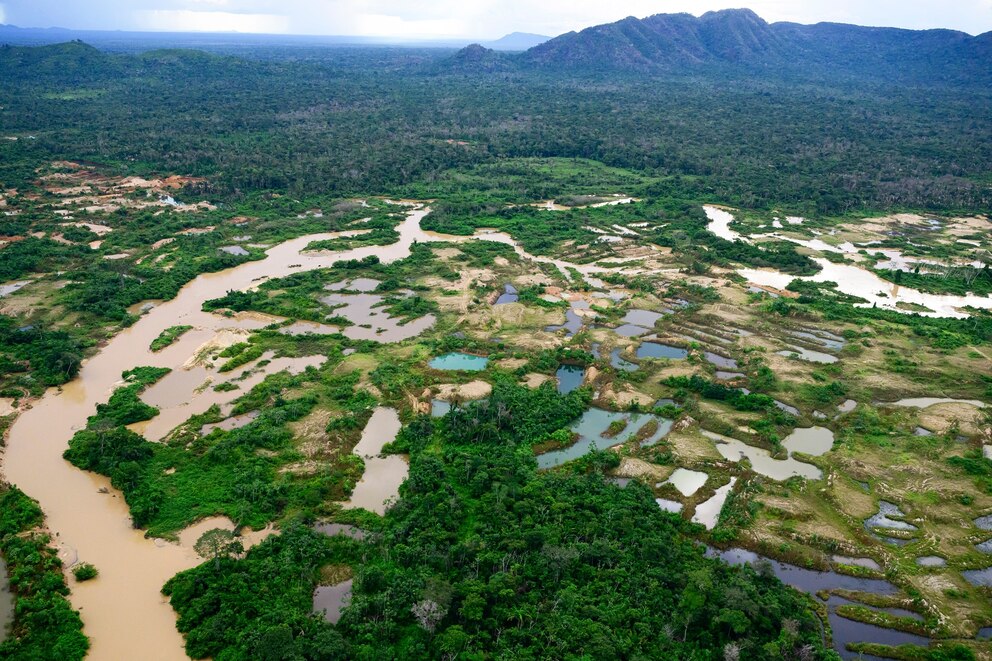
Deforestation, which is the widespread clearing of forests, and other human activity has vastly reduced local populations of plants and animals while increasing human populations in the same areas, according to the study.
“Mosquitoes that are normally feeding on other hosts within the habitat can shift to humans if the habitat is no longer suitable for those hosts and they leave,” Laura Harrington, a Ph.D.-level professor of entomology at Cornell University, told ABC News.
Human blood was widely found in nine types of mosquitoes in two formerly uninhabited areas in the state of Rio de Janeiro, Brazil, preliminary study results found. This area was once a part of the Atlantic Forest that covered 502,000 square miles. Today, it has shrunk to 29% of its original size as a result of deforestation and development, according to the final study.
The researchers point to past studies showing that areas with heavier deforestation have a higher mosquito abundance and higher rates of mosquito-borne disease because disturbed habitats favor species that thrive near people. At the same time, reduced biodiversity removes animals that can dilute disease transmission, making humans more likely to become the primary blood source.
Sérgio Lisboa Machado, a co-author of the paper and a professor at Federal University of Rio de Janeiro in Brazil, said mosquitoes are opportunists who don't venture far to find food.
“So they start searching for humans because mosquitoes rarely fly very long distances,” he told ABC News. “They are not going to pay a lot of energy to find [other food sources].”
More than 17% of all infectious diseases are caused by vector-borne diseases, meaning a disease that's transmitted to humans by a living organism, such as mosquitoes, ticks, and flies, the World Health Organization (WHO) reports. These biting insects cause more than 700,000 deaths globally.
Mosquitoes alone transmit dozens of serious diseases to humans, according to the WHO, which consequently considers them the deadliest animals on Earth.
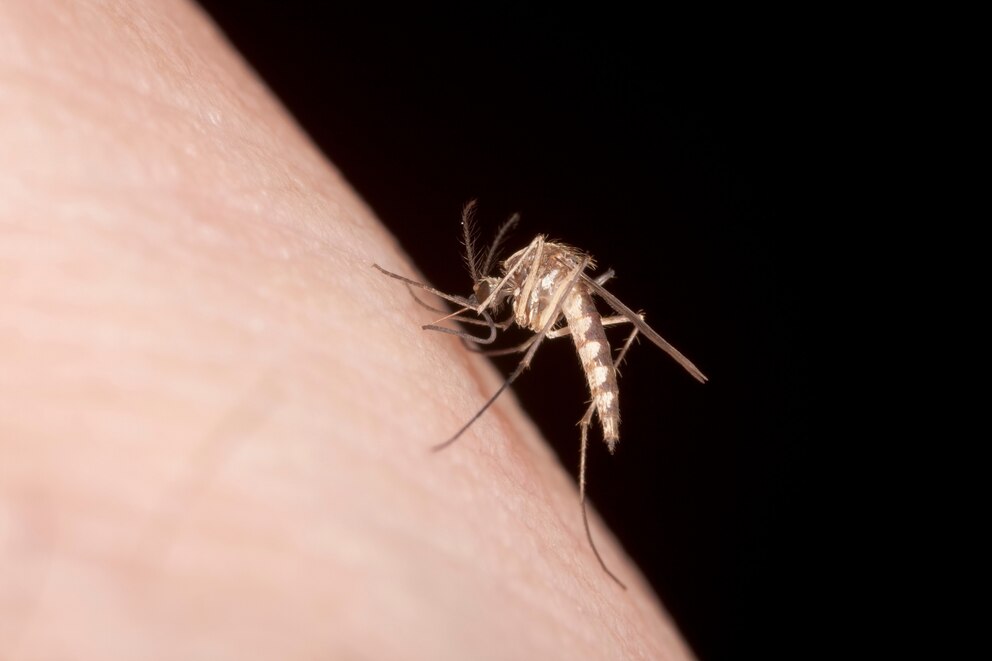
Female mosquitoes are the culprit. They must drink blood to get the protein and iron they need to develop their eggs, according to the Centers for Disease Control and Prevention.
There is a “reproductive drive for them to feed on blood, and if there's no other host there, most mosquitoes would feed on a human,” Harrington told ABC News.
Male mosquitoes buzz, but they don’t bite, instead dining on nectar and plant sugars.
There are 3,500 mosquito species globally, Harrington said, noting that there are only a handful that truly prefer the taste of human blood over other animals. When given a choice, only a small fraction of mosquito species regularly seek out humans.
"It's something that we've known for a long time," Harrington said. “This notion that manipulating the landscape can alter mosquito feeding patterns and sometimes shift feeding patterns towards humans.”
Crystal Richards, MD, is a pediatric resident at Columbia University Irving Medical Center and a member of the ABC News Medical Unit.