Building where US troops were killed was largely unfortified: Officials
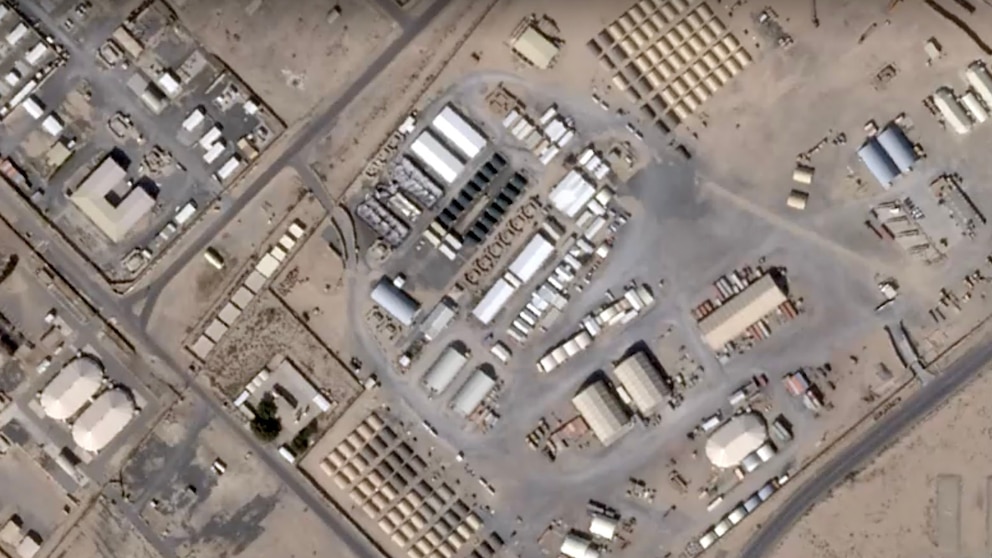
The six U.S. troops killed by an Iranian drone strike in Kuwait in the opening hours of the war were in a command-and-control center, a building largely unfortified, effectively a large trailer, according two defense officials familiar with the matter.
The center was encircled by 6-foot-tall concrete walls, a signature means of defense during the wars in Iraq and Afghanistan where the threats came from mortars and rockets, but had no added protection from threats from the sky.
Defense officials have warned that even with sophisticated anti-drone weapons protecting troops, some will inevitably break through defenses and hit their target on the ground.
"We have pushed every counter [drone] system possible forward sparing no expense or capability," Secretary of Defense Pete Hegseth told reporters Wednesday. "This does not mean we can stop everything, but we ensured that the maximum possible defense."
Infrastructure for troops in bases overseas, such as those in Kuwait are generally above-ground, cheap buildings made from trailers and shipping containers, often encircled by tall concrete walls and sometimes with sandbags on the roof and skirting the sides.
"It's essential because things are going to get through, especially against more sophisticated enemies, there's no way to have a 100% interception rate," Molly Campbell, a drone expert with the Center for a New American Security, told ABC News about the need for more robust buildings for troops to operate out of abroad.
Combating drones has focused largely on expensive countermeasures such as lasers, while base infrastructure has lagged behind.
"It's a fetishization of technology, there are a lot of straightforward, actionable things that in many ways can help," Campbell added, referring to fortifications.
The opening days of conflicts often expose the gaps in tactics and equipment. In the early years of the Iraq and Afghanistan wars, the Humvee, the U.S. military's de facto combat vehicle at the time, offered little protection from roadside bombs, which proved incredibly deadly to coalition forces. Hundreds of American troops were killed or maimed before the Pentagon scrambled to field new armored vehicles built to withstand blasts.
When Iranian-backed militants struck Tower 22 in Jordan in January 2024, killing three U.S. troops and injuring 47, it served as a flashpoint for defense against drones, underscoring that a hypothetical threat against U.S. troops was real, officials with knowledge of the situation explained.
Drones have emerged as a signature weapon in the Ukraine-Russia war, spurring significant investment into the technology from the Pentagon. For more than a half-century, the U.S. military has owned the skies and faced no meaningful aerial threat for a generation, leaving defending against attacks from threats from above a relatively new concept for commanders.
An Army investigation on the Tower 22 attack found the damage was most likely preventable. Investigators cited inadequate infrastructure that was not built to withstand an air attack, according to records reviewed by ABC News.
A separate Pentagon internal investigation in January, which focused on bases within the United States, found, "a large percentage of installations" do not have the ability to conduct counter-drone operations, adding there are critical gaps in training across the military and procedures for defense that aren't standardized.
The Defense Department released a blueprint in January for hardening bases against drones that slip past air defenses, outlining measures for commanders, including netting to trap or prematurely detonate incoming drones and additional hardened overhead cover.
"For decades, physical security for public venues and critical infrastructure has focused on controlling access," the Pentagon memo noted. "Small unmanned aircraft systems change that assumption."
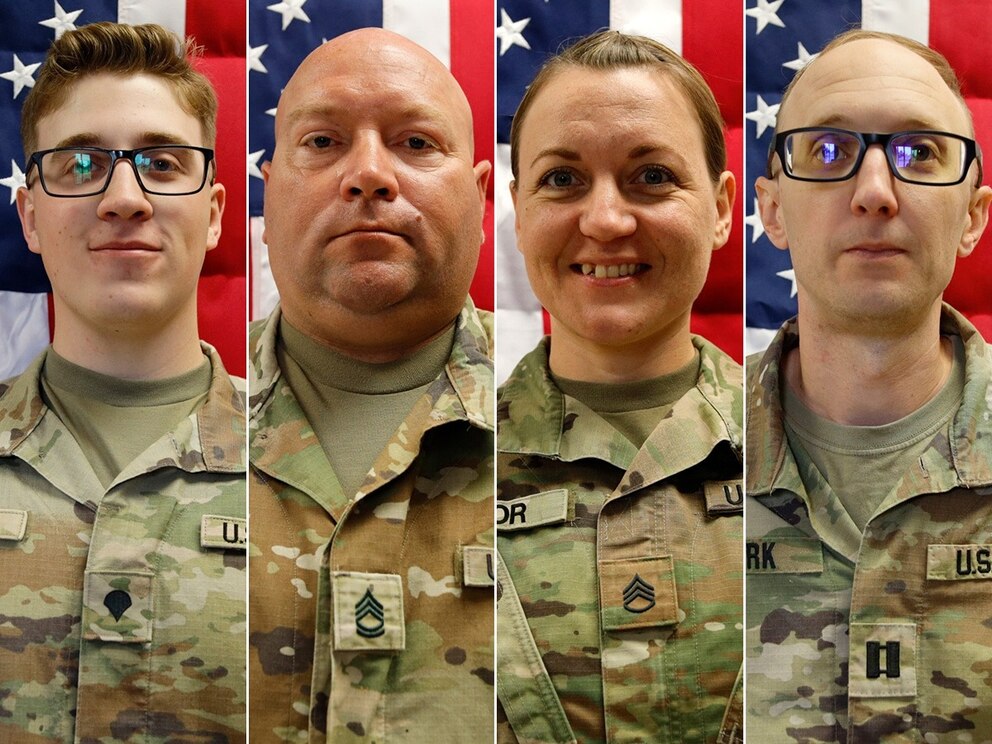
On Tuesday, the Pentagon announced the identities of four of the soldiers as Capt. Cody A. Khork, 35, of Winter Haven, Fla; Sgt. 1st Class Noah L. Tietjens, 42, of Bellevue, Neb.; Sgt. 1st Class Nicole M. Amor, 39, of White Bear Lake, Minn; and Spc. Declan J. Coady, 20, of West Des Moines, Iowa.
The White House said Wednesday that President Donald Trump would attend the dignified transfer of their remains when it takes place.