These bulbs have evolved to avoid being eaten. You can take advantage of that
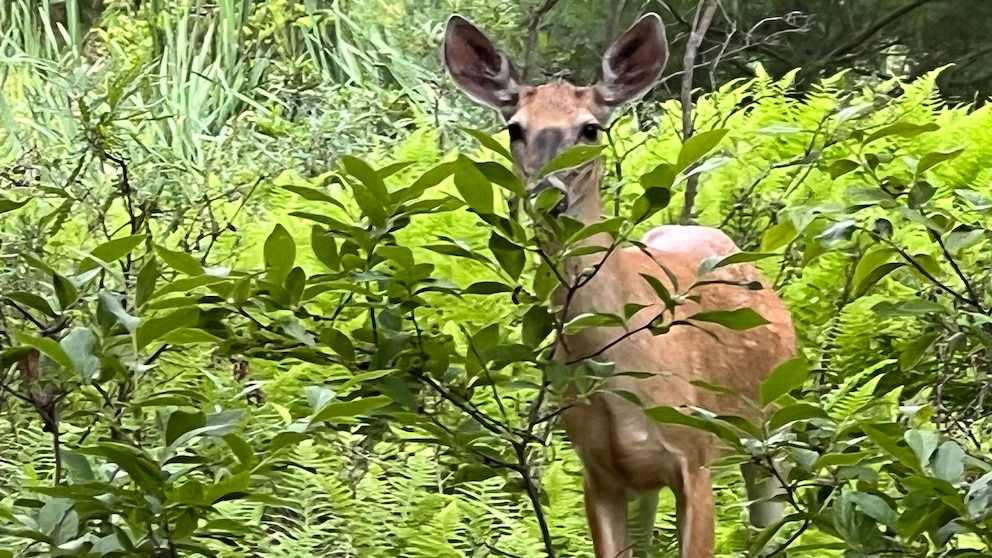
There’s little worse in a gardener’s mind than watching their careful planning and hard work go up in a cloud of teeth, thanks to every four-legged freeloader within chewing distance.
So if you’re planting bulbs this fall, select the rights to avoid planting dinner.
Although no plant is 100% animal-proof, some spring-blooming bulbs have toxic or unpalatable self-defenses that deer, rabbits and rodents tend to avoid.
Pet owners and parents, however, should exercise caution when deciding to grow these within reach of children or furry family members.
Crown imperials aren’t referred to as “stink lilies” for nothing. One whiff of the malodorous, tufted, downward-facing, bell-shaped flowers will transport you to a skunk sanctuary — or a sweaty locker room. No self-respecting living thing would deliberately sniff, let alone eat, any part of the plant, which also contains highly toxic steroidal alkaloids.
But don’t let that dissuade you from planting them. The striking plants not only keep rodents away, but they attract pollinators and are exceptionally eye-catching in the spring garden. Just don’t plant them near the front walk.
Alliums are related to onions, and their bulbs’ scent makes no secret of it, so they’re typically left undisturbed. Their flowers have a similar, although milder, fragrance. If rabbits are particularly hungry, they might attempt a nibble, but the bitter sulfur compounds in the bulbs, leaves and stems will send them running. The plants are also toxic.
Similarly, all types of daffodils — from demure jonquils to giant trumpet types — contain bitter, toxic properties that most critters know to avoid.
Although nicely scented to us humans, the strong, sweet perfume emanating from Dutch hyacinth flowers is off-putting to many animals, as is the fruity scent of the unrelated grape hyacinth, which deer and rabbits perceive as musky. Neither is as offensive as pungent alliums, but both hyacinths also contain toxic compounds that cause mouth irritation and stomach upset if bitten or ingested.
Spanish bluebells contain saponins, which smell and taste like soap, as well as poisonous cardiac glycosides.
Snowdrops, Siberian squill, anemone, glory of the snow, winter aconite and star of Bethlehem are smaller, so-called “minor” bulbs with flowers that bloom earlier than the larger bulbs above. But they pack a punch in deterring wildlife browsing, thanks to their unpalatable smell, bitter taste and/or toxic compounds.
Because they have strong defenses, multiply readily and are not kept under control by animals, some of these plants, particularly Siberian squill, Spanish bluebells and star of Bethlehem, can quickly become invasive, so plant with caution.
All of these plants have spent generations using their natural defenses to avoid being eaten, and you can take advantage of that, too.
If you’d like to plant bulbs that animals love to eat, such as tulips or crocuses, try surrounding them with unpalatable ones. As they exude odors and chemicals to protect themselves, some of those defenses will extend to their bedmates.
___
Jessica Damiano writes weekly gardening columns for The Associated Press. She publishes the Weekly Dirt Newsletter. Sign up here for weekly gardening tips and advice.
___
For more AP gardening stories, go to https://apnews.com/hub/gardening.