Calif. moves to block police from using facial recognition in body cams
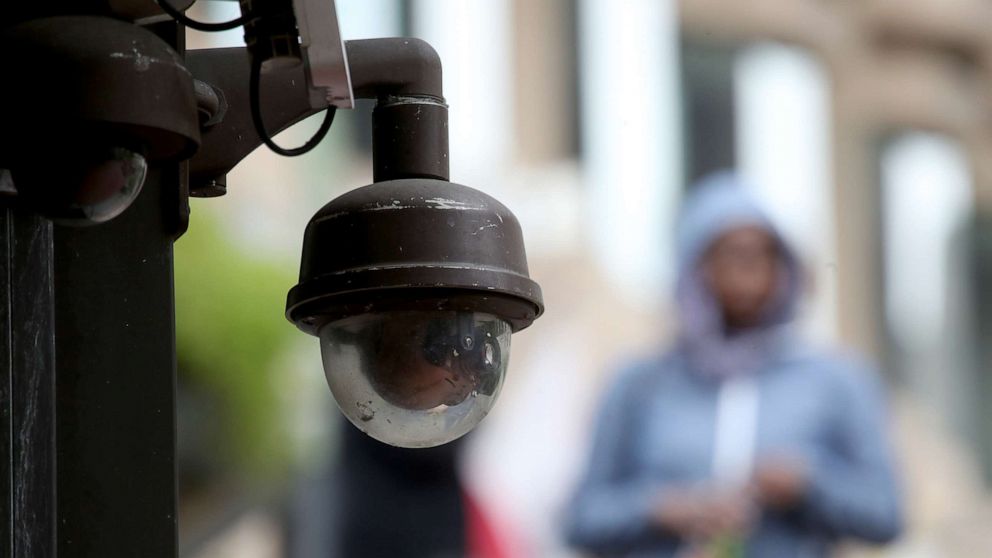

California lawmakers are moving to put a ban on police officers using facial recognition technology in body cameras, arguing in a bill that the technology infringes on privacy and often misidentifies women, people of color and young people.
The California state Senate passed AB1215 bill, a three-year ban on the technology, on Wednesday, and it cleared the state Assembly in a vote Thursday afternoon.
If signed by Gov. Gavin Newsom, California could become the largest state to ban facial recognition and biometric technology in police body cameras in the nation when it would go into effect on Jan. 1, 2020.
"This is not just a California concern, this is a national concern, people have really ... been much more sensitive to their privacy recently," California Assemblymember Phil Ting, who drafted the bill, said on a call with reporters Thursday afternoon.
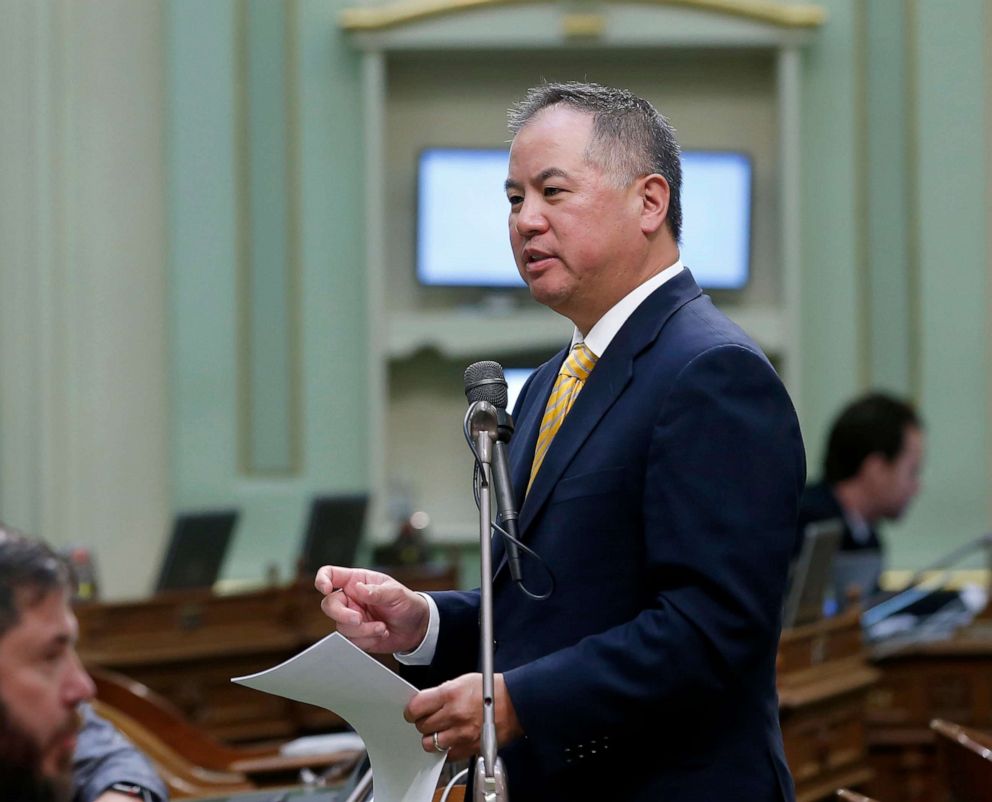
Ting added that the facial recognition technology "seems to have a higher misidentification rate for people of color," and that "having all these questions make these highly problematic" for use with law enforcement.
"We did the test with different California state legislators," he said. "Twenty-six out of 120 of us got misidentified."
The three-year moratorium on the technology also allows lawmakers to revisit the idea if technology does advance, according to Ting. While facial recognition technology in body cams is currently not widely used by law enforcement, Ting said that they wanted to be "proactive" with this legislation.
"Face-scanning police body cameras have no place on our streets, where they can be used for dragnet surveillance of people going about their private lives, including their locations and personal associations," Matt Cagle, the technology and civil liberties attorney for the American Civil Liberties Union of Northern California, said in a statement.
"With this bill, California is poised to become one of the first states in the country to prevent its residents from becoming test subjects for an invasive tracking technology proven to be fundamentally incompatible with civil liberties and human rights," Cagle added. "Other states should follow suit."
The bill, drafted by Ting, states, "Facial recognition and other biometric surveillance technology has been repeatedly demonstrated to misidentify women, young people, and people of color and to create an elevated risk of harmful 'false positive' identifications."
It also argues that if police employ facial recognition tech on their body cams it could hurt their relationship with the community.
"Its use would also diminish effective policing and public safety by discouraging people in these communities, including victims of crime, undocumented persons, people with unpaid fines and fees, and those with prior criminal history from seeking police assistance or from assisting the police," the bill argues.
Some law enforcement groups, however, including the California Peace Officers' Association, announced on their website that they oppose the bill.
A U.K. report from earlier this year claimed that 81% of suspects flagged by facial recognition technology used by London's Metropolitan Police were innocent.
San Francisco and Oakland, the fourth- and eighth-largest cities in California, respectively, already banned their respective police departments from using facial recognition technology earlier this year.