Carbon cost of meat in US: This is how many greenhouse gas emissions are released
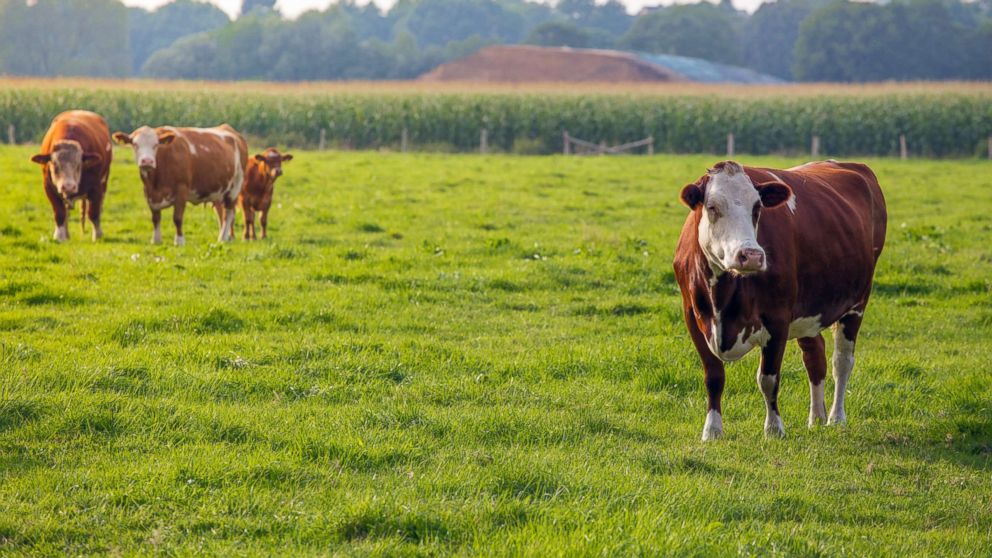
Researchers have quantified how meat consumption in the U.S. is contributing to the greenhouse gas emissions responsible for climate change.
More than 11 million tons of meat is consumed in U.S. cities annually -- equating to about 329 million tons of carbon emissions, according to a study published Monday in the scientific journal Nature Climate Change.

That figure is comparable to emission levels from domestic fossil fuel combustion in the U.S., at about 334 million tons annually, Benjamin P. Goldstein, an assistant professor of environment and sustainability at the University of Michigan and lead author of the paper, told ABC News. In addition, emissions from meat consumption in the U.S. exceed total annual carbon emissions from the U.K., at 305 million tons, and Italy, at 313 million tons, the researchers said.
The three most populated cities in the U.S. -- New York City, Los Angeles and Chicago -- consumed a total of 3.2 million tons of meat per year, according to the paper.
While meat and dairy are known to contribute "substantially" to urban greenhouse gas emissions, it has been difficult to trace the impacts due to the complexity of agricultural chains over large rural areas, especially because traditional accounting methods rely on national averages that can obscure important regional differences, the researchers said.
Researchers quantified and mapped the greenhouse gas emissions of beef, chicken and pork consumption to calculate the "carbon hoofprint" of 3,531 U.S. cities by implementing a high-resolution model to link meat consumption to the specific rural regions that produce the feed, livestock and processed meat.
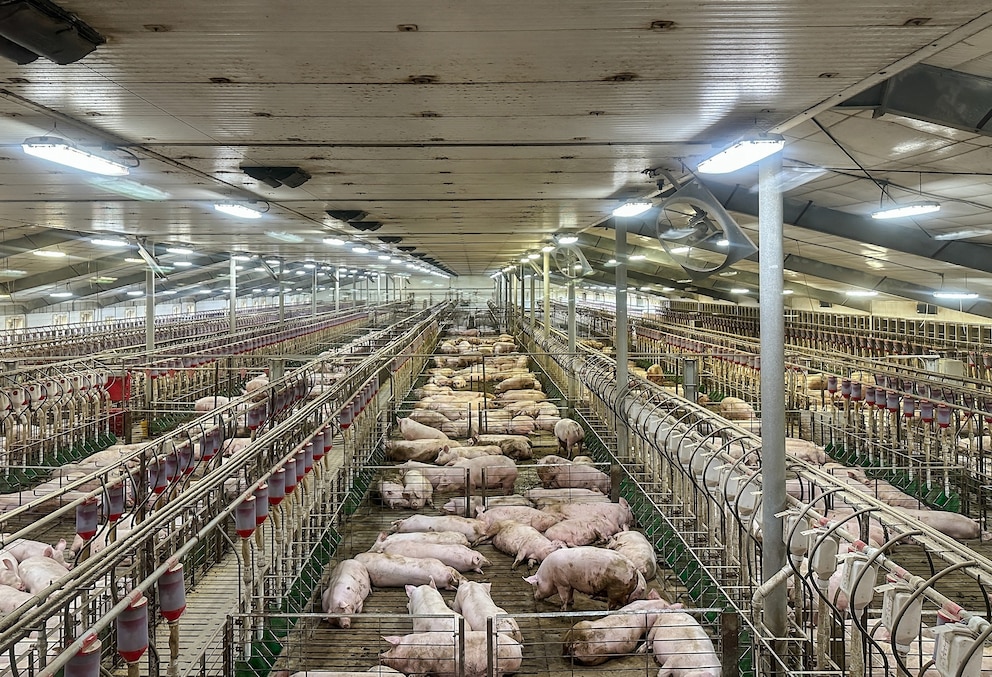
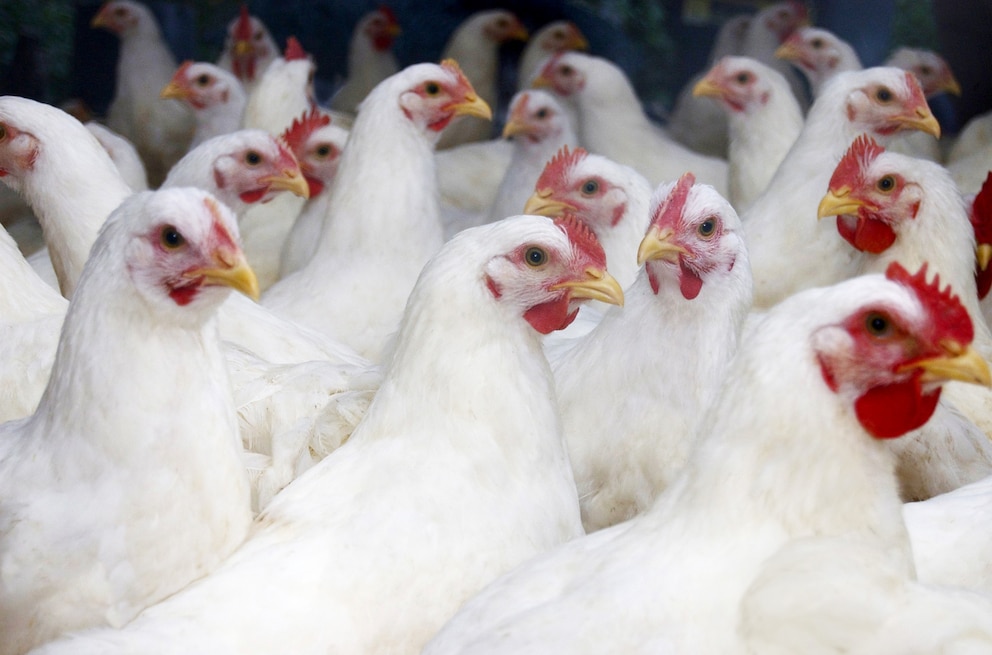
Americans are consuming 4.6 million tons of chicken, 3.7 million tons of beef and 2.7 million tons of pork annually, the researchers found. But the carbon footprint of the meat consumption depends on where the meat was produced, Goldstein said.
This is, in large part, because supply chains in the U.S. can span thousands of miles and encompass hundreds of counties within the country, Goldstein said. Los Angeles alone sources beef from 10 counties, and those beef suppliers rely on livestock from 469 counties, which are fed using crops grown in 828 counties.
Researchers embarked on the study because urban sustainability has "by and large" focused on buildings, transportation, water, waste and hard infrastructure within cities, Goldstein said.
"When we're thinking about decarbonizing cities...we also think about all those different complex supply chains that bring products into cities but cause environmental change elsewhere," Goldstein said.
Emissions from meat consumption in the U.S. can be reduced by up to 51% through measures such as reducing food waste and shifting diets from beef to poultry, the researchers suggested.
The U.S. Agricultural Census contains information about how much food is being produced at the county level that also includes data such as irrigation and fertilizer, where the crops that animals are being eaten are grown and where the animals are being raised, Goldstein said.
By linking that information with data on the number of slaughterhouses, how much they process and where the meat demand is, researchers can look at the environmental impacts across the individual supply chains for beef, poultry and pork to cities, he added.
"It shows how urban and rural livelihoods are highly interdependent," Goldstein said. "We need food in cities. Obviously, it's mainly grown elsewhere."
Strategies to decarbonize the supply side of meat production, such as integrating trees and livestock grazing, can further reduce the "net hoofprint," the researchers said.
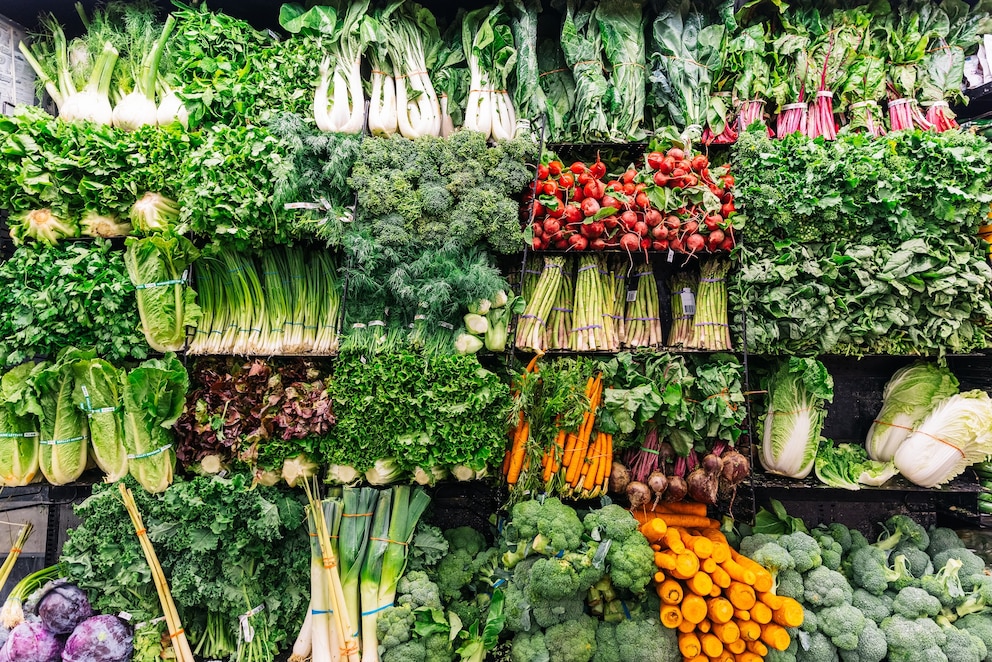
And as far as individual consumption goes, the fundamental advice of focusing on a plant-based diet, and choosing chicken or pork over beef, is still the best way to practice sustainability within eating habits, according to Goldstein.
"Thinking about what we have to change is not necessarily how we produce things or the distance and the food miles that travels, but really what we put into our bodies," he said.