• Video
  • Shop
  • Culture
  • Family
  • Wellness
  • Food
  • Living
  • Style
  • Travel
  • News
  • Book Club
  • Newsletter
  • Privacy Policy
  • Your US State Privacy Rights
  • Children's Online Privacy Policy
  • Interest-Based Ads
  • Terms of Use
  • Your Privacy Choices
  • Contact Us
  • Recalls and Product Safety Alerts
  • © 2026 ABC News
  • News

Chinese city adopts policy of shaming jaywalkers on social media to stop rampant problem
7:46
Ex-officer charged in assault of alleged jaywalker
Greg Baker/AFP/Getty Images
ByKaijing Xiao
April 02, 2018, 1:41 PM

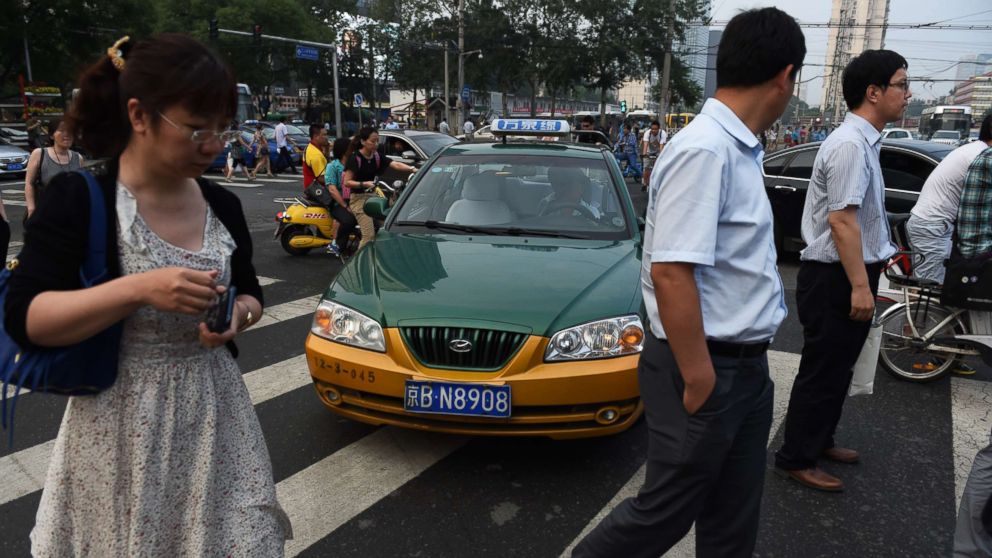
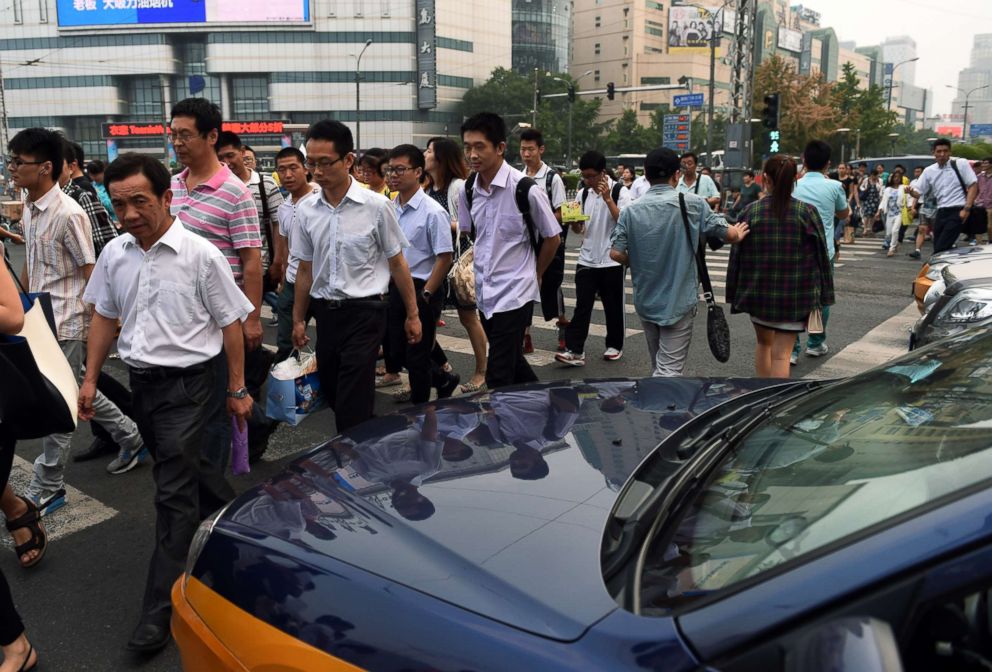
Crossing the street in China can often have nothing to do with whether a light is red or green. Instead, people crowd onto the curb until it reaches critical mass, and off they go -- traffic or no traffic.

In order to solve the jaywalking problem, police in one region of the country of 1.4 billion people have come up with a solution: social media shaming.

Police in the southern city of Guangzhou, China, recently set up a testing site at a traffic intersection near a subway station, the local Guangzhou Daily newspaper reported. Pedestrians who crossed the street without a green light would be stopped and asked to post their misdemeanor on popular Chinese social media platform, WeChat, according to the paper.
Related Articles

Chinese man realizes he accidentally photobombed wife 11 years before they met

Related Articles

Mystery surrounds possible Kim Jong Un visit to China

Pedestrians dodge around a taxi at a crossing in Beijing on June 10, 2014.
Greg Baker/AFP/Getty Images)

Offenders have to write up the details of how they broke the traffic rule, along with a picture, and the hashtag “Start from me to follow the traffic rule," according to Guangzhou Daily.

Police will let the offenders go once they share the post to 10 chat groups, or gather at least 20 likes, Chinese media reported.

Offenders can instead choose to watch a three-minute long educational video in front of an LED TV screen police set up by the side of the street, according to the reports.
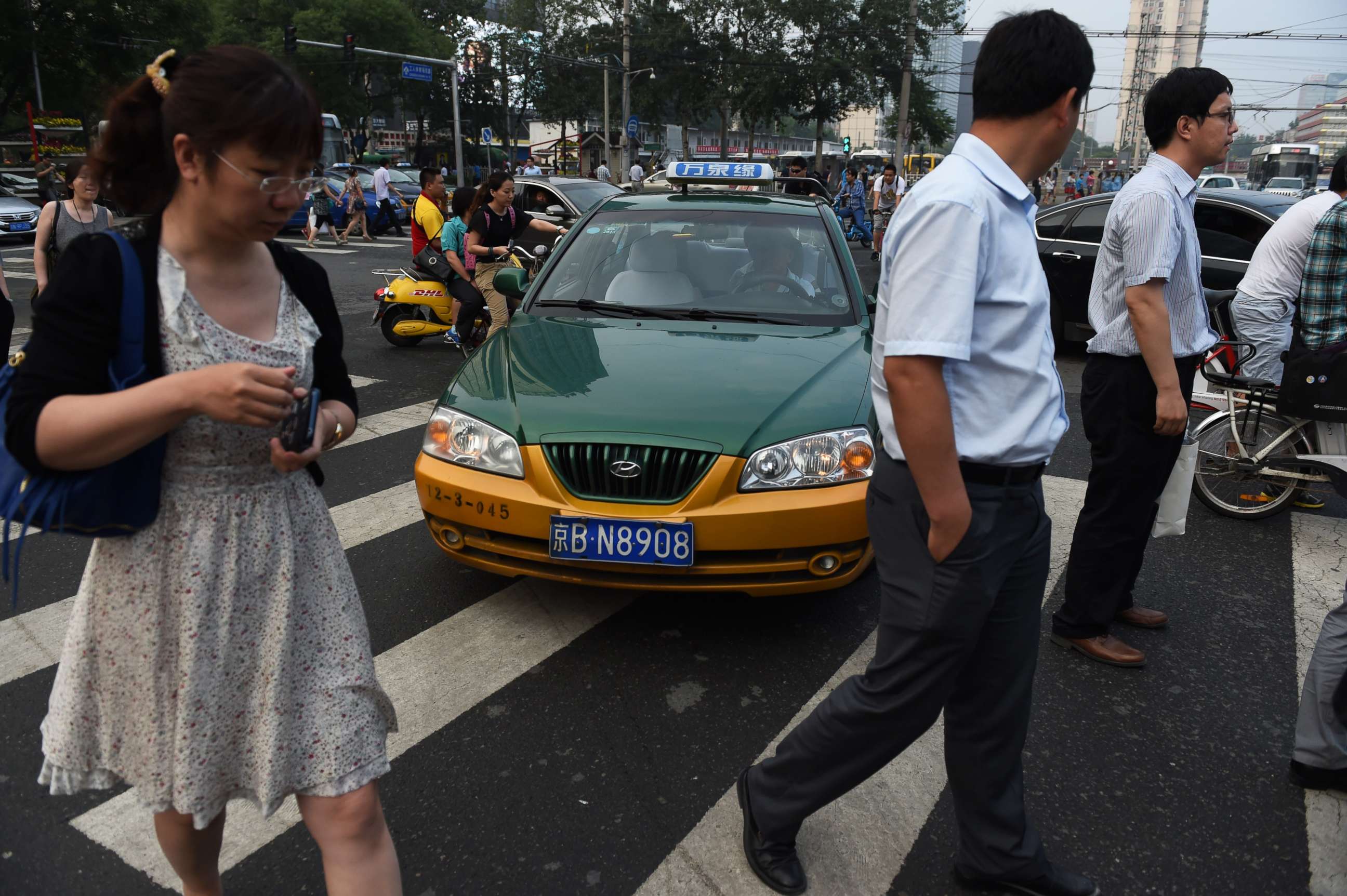
PHOTO: A taxi driver squeezes past people on a pedestrian crossing in Beijing on June 10, 2014.
A taxi driver squeezes past people on a pedestrian crossing in Beijing on June 10, 2014. China's capital launched a new campaign, labelled 'Embracing APEC Wonderful Pekingese-Citizen Civilized Behavior Promotion,' promises to crack down on jaywalking, drunk driving and drivers refusing to stop at zebra crossings.
Greg Baker/AFP/Getty Images

“The purpose of this punishment is to educate the public,” policeman Zhangwei told China News Service. “Publishing the posts on social media is done to hope the offenders can pass what they have learned to their friends, and promote more people to follow the traffic rules.”

According to Chinanews, the number of offenders at the traffic intersection have dropped by half in 20 days.


Up Next in News—

Clancy juror says holdout didn't show 'single piece of evidence' explaining vote

September 10, 2026

Lindsay Clancy trial jurors speak out after mistrial

September 9, 2026

Drones hold secret to producing more rain, engineers say

September 9, 2026

Mom charged with murdering 2-year-old child ordered held in custody

September 8, 2026

Shop GMA Favorites

ABC will receive a commission for purchases made through these links.

Sponsored Content by Taboola

The latest lifestyle and entertainment news and inspiration for how to live your best life - all from Good Morning America.
  • Contests
  • Terms of Use
  • Privacy Policy
  • Your Privacy Choices
  • Children’s Online Privacy Policy
  • Advertise with us
  • Your US State Privacy Rights
  • Interest-Based Ads
  • About Nielsen Measurement
  • Press
  • Feedback
  • Shop FAQs
  • ABC News
  • ABC
  • All Videos
  • All Topics
  • Sitemap
  • Recalls and Product Safety Alerts

© 2026 ABC News
  • Privacy Policy— 
  • Your US State Privacy Rights— 
  • Children's Online Privacy Policy— 
  • Interest-Based Ads— 
  • Terms of Use— 
  • Your Privacy Choices— 
  • Contact Us— 
  • Recalls and Product Safety Alerts— 

© 2026 ABC News