Winter storms: How to prepare and everything else you need to know
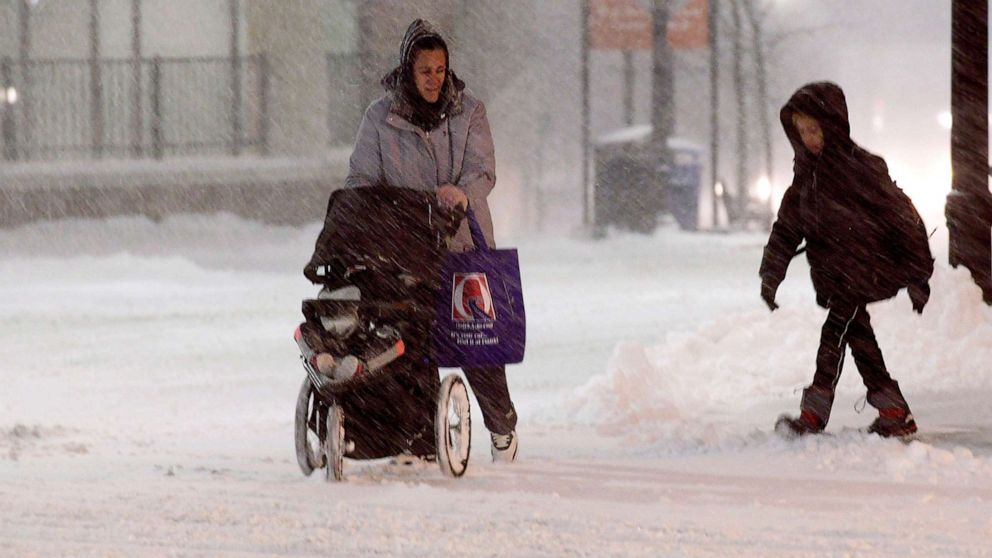
The South is bracing for a potentially major winter storm this weekend, impacting Texas, Oklahoma, Louisiana, Arkansas, Mississippi, Alabama and Tennessee.
Here's what you need to know about how to prepare, and answers to other winter storm questions, from ABC News meteorologists and the National Weather Service.
What are the different types of winter storms?
In the winter you'll often see nor'easters, also called coastal storms. These storms may occur at any time of year but are most frequent and most violent between September and April.
Nor'easters nearly always bring heavy rain or snow, as well as powerful winds, rough seas and sometimes coastal flooding.
Nor'easters usually develop between Georgia and New Jersey, within 100 miles east or west of the East Coast. The heavily populated region between Washington, D.C., Philadelphia, New York City and Boston is especially affected by these types of storms. They usually move northeastward and reach maximum intensity near New England.
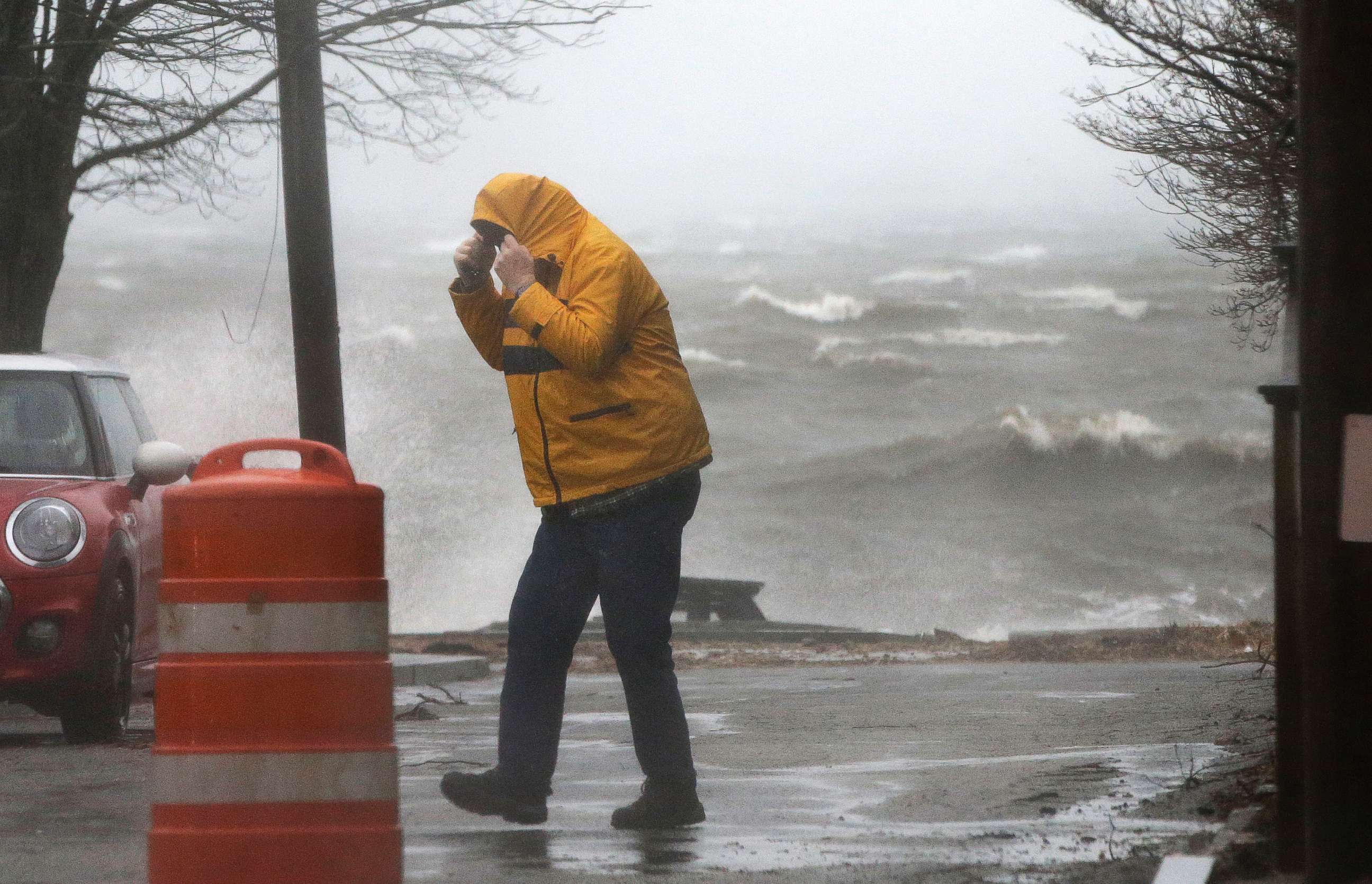
In the Midwest and other non-coastal parts of U.S., large storms are called mid-latitude systems.
There are also weaker, clipper systems. A clipper system, usually called an Alberta clipper, is a fast-moving, low-pressure system that will move southeast from the Canadian Province of Alberta through the Plains, Midwest and Great Lakes. This low-pressure system usually brings light snow, strong winds and cold temperatures.
How does a storm start?
There are three basic ingredients needed to make a winter storm:
1. Cold air. Below-freezing temperatures in the clouds and near the ground are necessary to make snow and/or ice.
2. A lifting force to raise the moist air to form the clouds and cause precipitation.
3. Moisture to form clouds and precipitation. Air blowing across a body of water, such as a large lake or the ocean, is an excellent source of moisture.
How are winter storms named?
Winter storms do not have official names in the U.S. But we do name hurricanes -- so the summer tropical season is when you can look for named storms.
What should you do before a winter storm?
Protecting your home:
Some major threats to your home are the loss of heat, power and phone service, as well as a shortage of supplies if the weather lasts longer than expected, according to the NWS. With proper ventilation, you can rely on emergency heat sources including a fireplace, wood stove and space heater.
The NWS says to make sure you have a working carbon dioxide detector and that the outside vent is clear. After the storm, make sure there isn't snow left in the outside vent.
To keep your pipes from freezing, you should keep the temperature in your home consistent during the day and night, the Red Cross advised. If you're leaving home for the holidays, keep the heat on with the temperature set at a minimum of 55 degrees.
Prop open the cabinet doors in your kitchen and bathroom so warmer air can circulate around the plumbing, according to the Red Cross -- just make sure to move any chemicals so children can't reach them.
Keep your garage door closed if there are water supply lines inside, the Red Cross said. You can also let the water drip, even at a trickle, from the faucet connected to exposed pipes, according to the Red Cross.
For food supplies, Ready.gov recommends preparing with several days-worth of food that doesn't require refrigeration or cooking, such as canned vegetables, canned fruit, cereal, granola, peanut butter, dried fruit and protein bars.
Facing the cold:
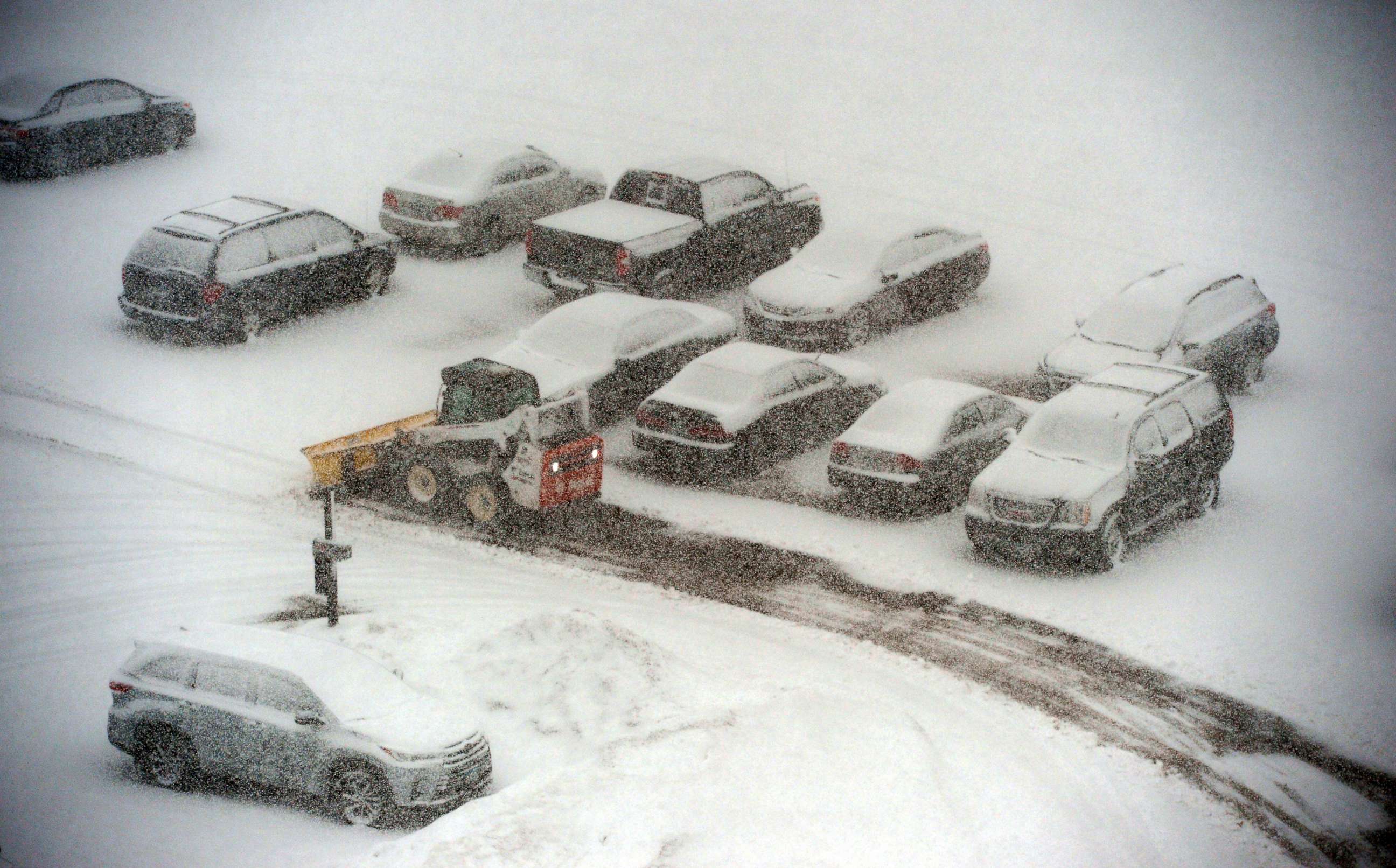
Those with prolonged exposure or those not dressed appropriately for extremely cold weather are in danger of frostbite and hypothermia, NWS meteorologist Jay Engle said.
Frostbite results in the loss of feeling and color in affected areas -- usually the nose, ears, cheeks, fingers, toes or chin, according to the U.S. Centers for Disease Control and Prevention (CDC). Frostbite could potentially cause permanent damage and, in severe cases, can lead to amputation, the CDC said.
Someone suffering from frostbite can be unaware of it because tissues that become frozen are numb, the CDC said. These are all signs of frostbite: numbness, white or grayish-yellow skin, or skin that feels unusually firm or waxy.
Dr. Randall Wexler, a professor of family medicine at Ohio State University, advised keeping frostbite-prone areas covered to avoid tissue damage.
There's also hypothermia -- or abnormally low body temperature -- which can impact the brain, "making the victim unable to think clearly or move well," the CDC said. "This makes hypothermia especially dangerous, because a person may not know that it's happening and won't be able to do anything about it."
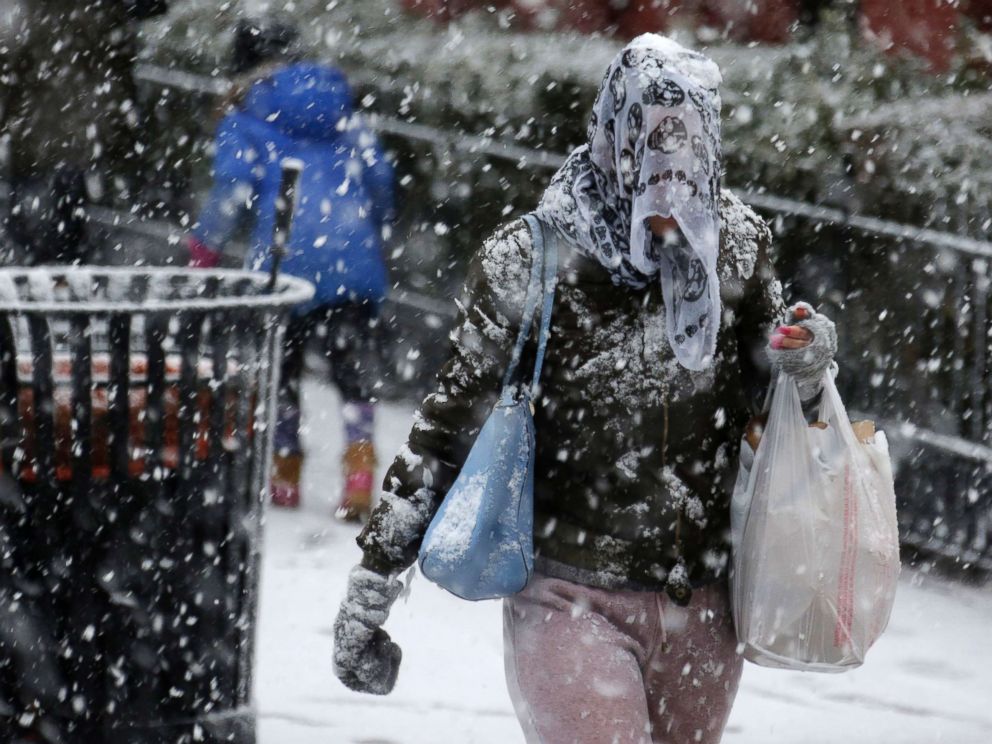
Warning signs for adults are shivering, exhaustion, confusion, fumbling hands, memory loss, slurred speech and drowsiness. For infants, the signs are bright red or cold skin and very low energy, the CDC said.
Engle recommends to “dress in three or more layers. One big thick winter coat tends not to do the trick."
"People really should keep their heads covered because that's where the majority of heat gets lost," Engle added.
Wexler also said the young and the elderly should be especially careful because their ability to maintain core body temperature is harder.
How to keep your car safe:
When the temperature dips, problems behind the wheel include dead car batteries, iced-over windshields, broken car locks and driving with no traction. Audra Fordin, the founder of Woman Auto Know and the owner of Great Bear Auto Repair in Queens, N.Y., has these tips:
1. Before you hit the road, check under the hood.
"If it's really cold outside, you want to make sure that your battery is going to be good in the freezing cold weather," Fordin said. "If you see any snow or blue stuff that's growing off your battery, that's an indication you want to go to the shop to have your battery checked."
2. Iced out windshields? Turn to your wallet for help.
"If you get to your car and can't see, pull out a credit card, and you can just wipe that frost away," Fordin said.
3. Fighting a stubborn car lock? Get sanitizing.
"If your lock is frozen," Fordin said, "put the sanitizer on the key, and then put the key into the lock."
4. If your car can't gain traction, let your floor mat give an assist.
"Grab your floor mat, you're going to put it underneath the wheel," Fordin said. "That will give you enough traction to pull your car out and hit the road."
Electric vehicles also need to be prepared for the cold.
AAA recommends keeping your car at least 50% charged since the cold can impact the battery. Drivers should also plan for more stops to recharge, AAA said. You should also try to park in a covered area during cold weather to prevent harm to the battery, AAA said.
ABC News' Mariam Alam contributed to this report.
This article was first published in 2018.