House passes defense bill with veto-proof majority despite Trump's objections
The House passed a sprawling defense spending bill Tuesday in an overwhelmingly bipartisan vote despite numerous veto threats from President Donald Trump.
The final tally was 335-78-1. The bill received well over the two-thirds majority needed to override a potential Trump veto. The bill now heads to the Senate.
Trump warned Republicans on Tuesday to vote against the National Defense Authorization Act (NDAA) over his issues with an amendment that would strip Confederate names from military bases and because it lacks a repeal of Section 230, which deals with social media liability protections that he claims hurts Republicans.
"I hope House Republicans will vote against the very weak National Defense Authorization Act (NDAA), which I will VETO. Must include a termination of Section 230 (for National Security purposes), preserve our National Monuments, & allow for 5G & troop reductions in foreign lands!" Trump tweeted Tuesday.
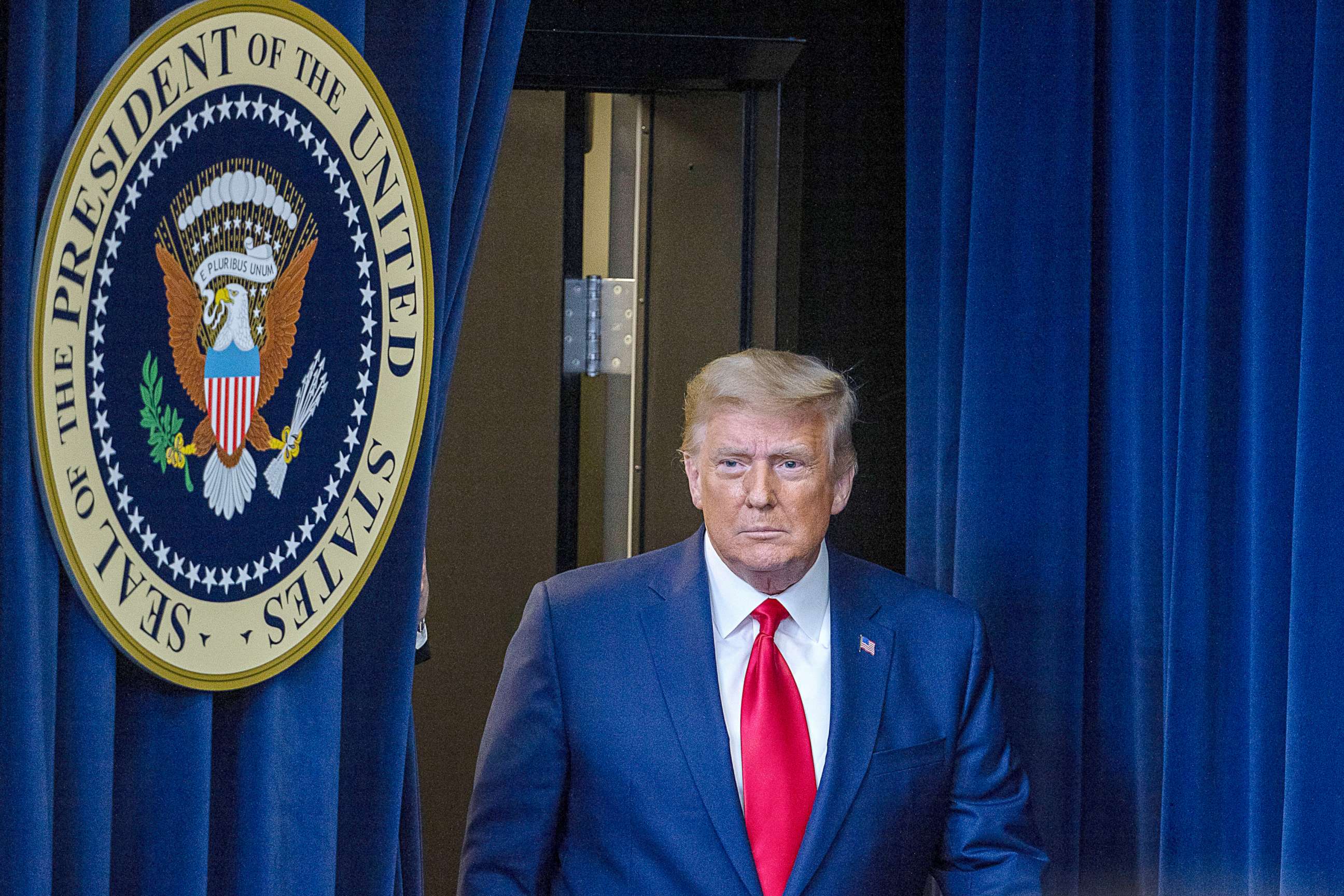
The White House later Tuesday issued a formal veto threat for the defense funding bill in a "Statement of Administration Policy" ahead of Tuesday's House vote.
"Unfortunately, this conference report fails to include critical national security measures, includes provisions that fail to respect our veterans and our military's history, and contradicts efforts by this Administration to put America first in our national security and foreign policy actions," the statement said in part.
But those threats have largely been ignored. Republicans and Democrats alike have said in recent days they intend to pass the legislation over Trump's continued objections.
Lawmakers have vowed to return to Washington -- even cutting short their holiday break if necessary -- to override a veto.
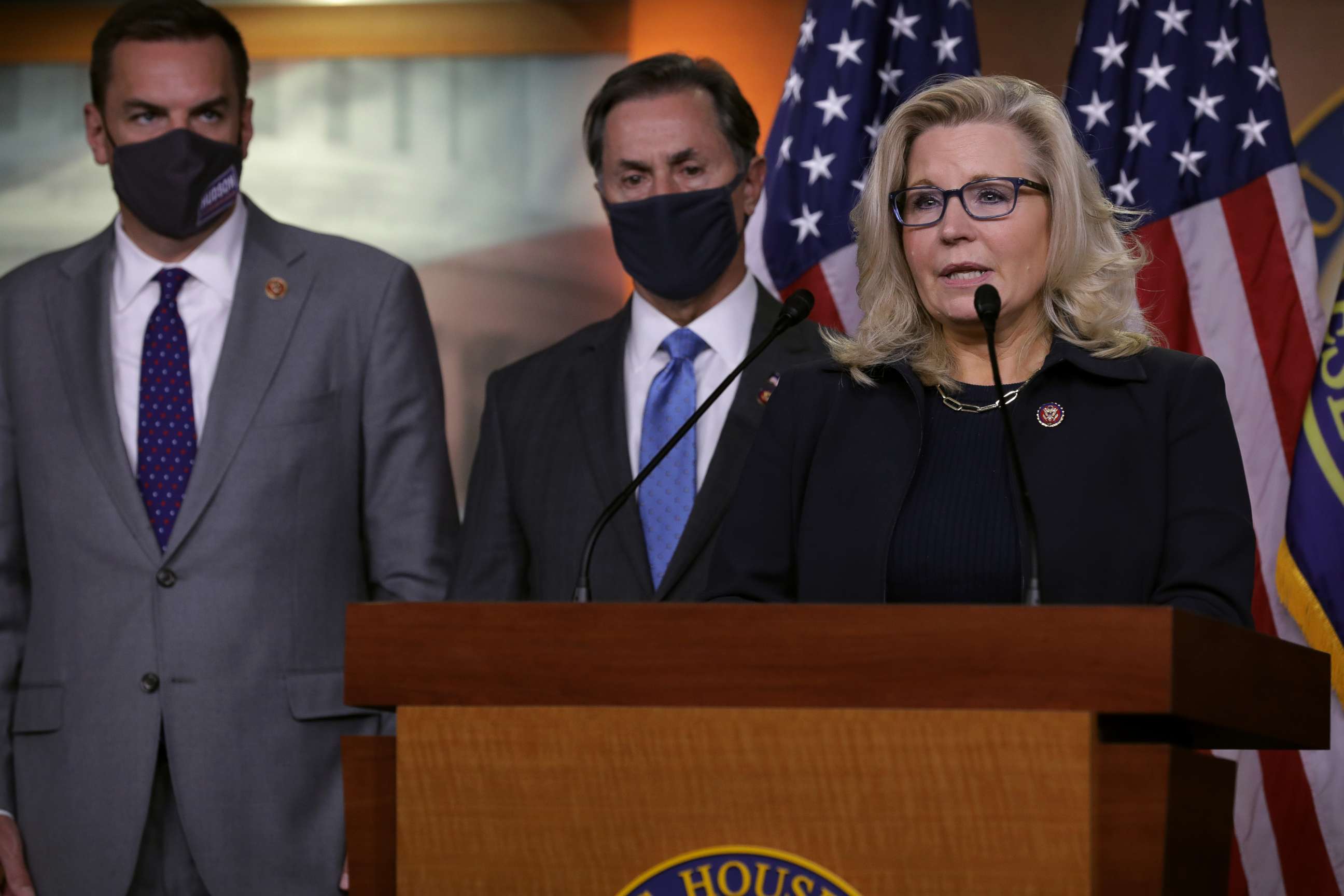
"We ought to pass the NDAA and the president should not veto it. And we should override it," Republican Congresswoman Liz Cheney told reporters on Monday.
Congressman Mac Thornberry, the ranking member of the House Armed Services Committee, also told reporters that Congress should return to override any veto.
The NDAA includes a 3% pay raise for the military, improvements in body armor for women, coronavirus relief, military housing improvements and boosted sexual harassment prevention and response measures, among other items.
Addressing the president's complaint about changing the names of military installations with Confederate names, the White House statement said that, "The Administration respects the legacy of the millions of American servicemen and women who have served with honor at these military bases, and who, from these locations, have fought, bled, and died for their country. President Trump has been clear in his opposition to politically motivated attempts like this to rewrite history and to displace the enduring legacy of the American Revolution in service of a new leftwing cultural revolution."
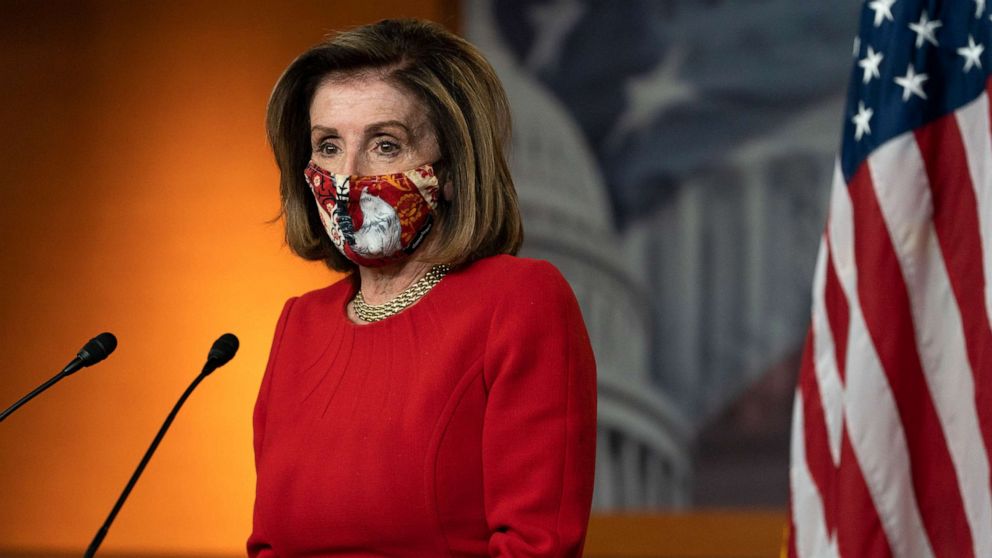
House Speaker Nancy Pelosi responded on the floor Tuesday.
"Changing the hateful names of these bases is supported by an overwhelming majority of the American people, by our active duty service men -- and women -- and by top military leaders. And now the president has threatened to veto this legislation, I hope not. I hope not," she said ahead of the vote.
"This bipartisan policy bill has been signed into law for 59 consecutive years. Let us urge the president to show respect for the work of the bicameral, bipartisan Congress and for the sacrifice of our military. I urge a strong bipartisan vote for this legislation, which upholds our values, honors our troops and keeps the American people safe. And I hope that it will be swiftly signed into law," Pelosi said.
Senate Armed Services Committee Chairman James Inhofe, a Trump loyalist, also bucked the president's veto threat, calling the move "disappointing." Inhofe said he spoke with Trump for 30 minutes on Monday.
"I'm disappointed, because it is really critical," Inhofe told reporters Tuesday.
"It's the most important bill of the year," Inhofe added.
House Armed Services Committee Chairman Adam Smith argued that Trump's displeasure with Section 230 cannot be dealt with in a defense policy bill.
"That section is not going to be addressed in this bill. You cannot address Section 230 and pass a defense bill or you cannot address Section 230 and not pass a defense bill. There is no choice here where you can do both. So please make the right choice," Smith said Tuesday on the House floor.
"I will tell you Sen. Inhofe and I disagree on a lot. We also don't have a lot in common. But we have come together on this bill because we recognize the importance of that process. You have to learn how to work with people you disagree with," he said.
Despite strong bipartisan support for the bill, some Republicans on Tuesday vowed to support Trump's intention to veto the legislation, namely: the House Freedom Caucus and House Minority Leader Kevin McCarthy.
Even without their support, the House is likely to override the president's veto, should he issue one on the defense policy bill. The House needs a two-thirds majority of voting members to override the veto. The Senate is also likely to retain a veto-proof majority and is expected to vote on the bill sometime this week.
Senate Majority Leader Mitch McConnell on Tuesday told reporters that it is his responsibility to bring the legislation to the floor for a vote and he will support it. He noted in his remarks that the defense bill has passed with a strong bipartisan vote for the last 59 years.
The defense bill must become law before noon Jan. 3, when the new session of Congress begins, or it will expire.