COVID-19 could become a seasonal illness like the flu, experts say
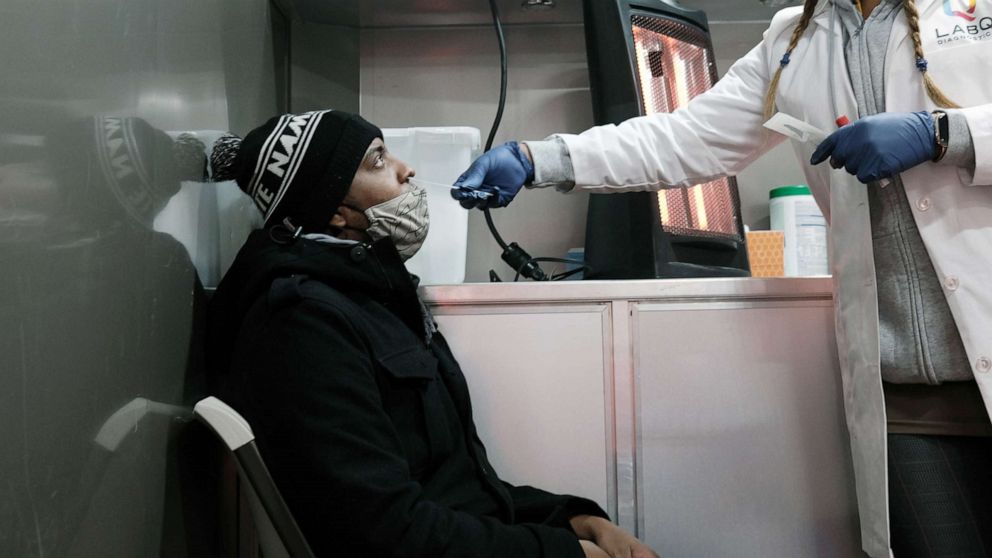
Millions of people around the globe are hoping that between lockdowns and vaccines, the virus that causes COVID-19 might soon be eradicated from our lives. Now, experts are warning that the virus might be with us forever -- but it won't always be a deadly plague.
"This coronavirus is going to be here to stay," explained Dr. John Brownstein, chief innovation officer at Boston Children's Hospital and an ABC News contributor. "Eradication of this new coronavirus is basically impossible."
Dr. Paul Offit, director of the Vaccine Education Center and professor of pediatrics in the Division of Infectious Diseases at Children's Hospital of Philadelphia, concurred, adding that he is also "not sure we're ever going to really eliminate this virus. ... It's not like measles, where you get life-long sterilizing immunity."
But even if the virus sticks around, new vaccines and new drugs to fight the virus mean it's unlikely to cause severe illness in the future. Offit predicts "that eventually, it will cause fewer deaths than influenza."
It is possible, experts say, that COVID-19 could become a seasonal illness, like the flu. Virologists call this an "endemic" disease -- one that is constantly circulating among us. In the years and decades to come, many people will be exposed to it in childhood and develop some immunity, which would protect them later in life against serious disease.
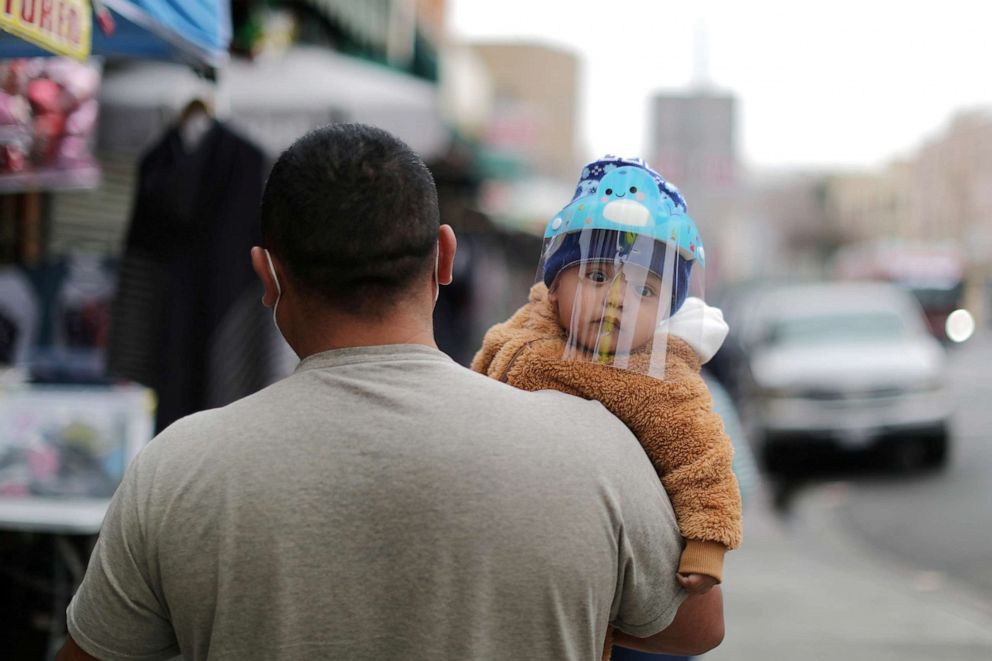
Meanwhile, current vaccines have shown great success preventing symptomatic and severe disease, which will help save lives even if the virus continues to transmit at low levels.
"The hope is that with enough natural immunity and immunizations, this becomes part of the natural cycle of cold season, but doesn't have the same impact," Brownstein said.
"I think it will become seasonal. All acute respiratory viral infections are," added Sarah Cobey, an epidemiologist and evolutionary biologist at the University of Chicago.
Whether this coronavirus does become endemic depends a lot on our behavior, Stephen S. Morse, professor of epidemiology at Columbia University, told ABC News. "Early on, when the virus was much more limited in distribution, it might have been possible to stop the pandemic ... if the world had acted earlier in a coordinated way."
However, given how the pandemic has been handled so far, it is likely that it will become endemic, with the virus probably taking a similar route to the four existing "human" coronaviruses that are already in circulation and cause upper respiratory infections, Morse said.
"We dismissed the human coronaviruses as a 'common cold' or 'flu-like illness,'" Morse said. "But they've been with us for a while" and evolved into endemic coronaviruses. "I suspect we're probably seeing the same process repeating itself with this virus, eventually perhaps a fifth 'human coronavirus.'"
"I'd say it's already endemic," Cobey said. "The "endemic" flu is also a pandemic in the sense that it sweeps the globe every year. However, she continued, recurring epidemics of the virus will probably not be as severe as the first.
People should not rely on achieving "herd immunity" as a way to curb COVID-19 infections, according to Jennie Lavine, a postdoctoral fellow at Emory University and lead author of a study conducted by researchers from Emory and Penn State University.
"Based on our analysis, we do not expect herd immunity to arise in the case of COVID-19," Lavine said. That is because if the immunity that prevents transmission wanes, people will continue to have periodic reinfections.
Experts say it is still unclear as to how long immunity lasts after a COVID-19 infection, though evidence seems to suggest that, unlike some viruses, COVID-19 is unlikely to give you lifelong immunity. But even if you are infected again, the second infection will likely be less serious and probably won't make you as sick as the first.
Due to uncertainty around immunity after receiving a vaccine, it is still a bit too early to determine if people will need a yearly COVID-19 shot, according to experts, who add that they also don't know how quickly the virus will continue to evolve.
"If CoV-2 experiences antigenic evolution at rates that are similar to influenza, annual shots for vulnerable populations may well be necessary. This is something we will need to continue to measure in the coming years," Levine added.
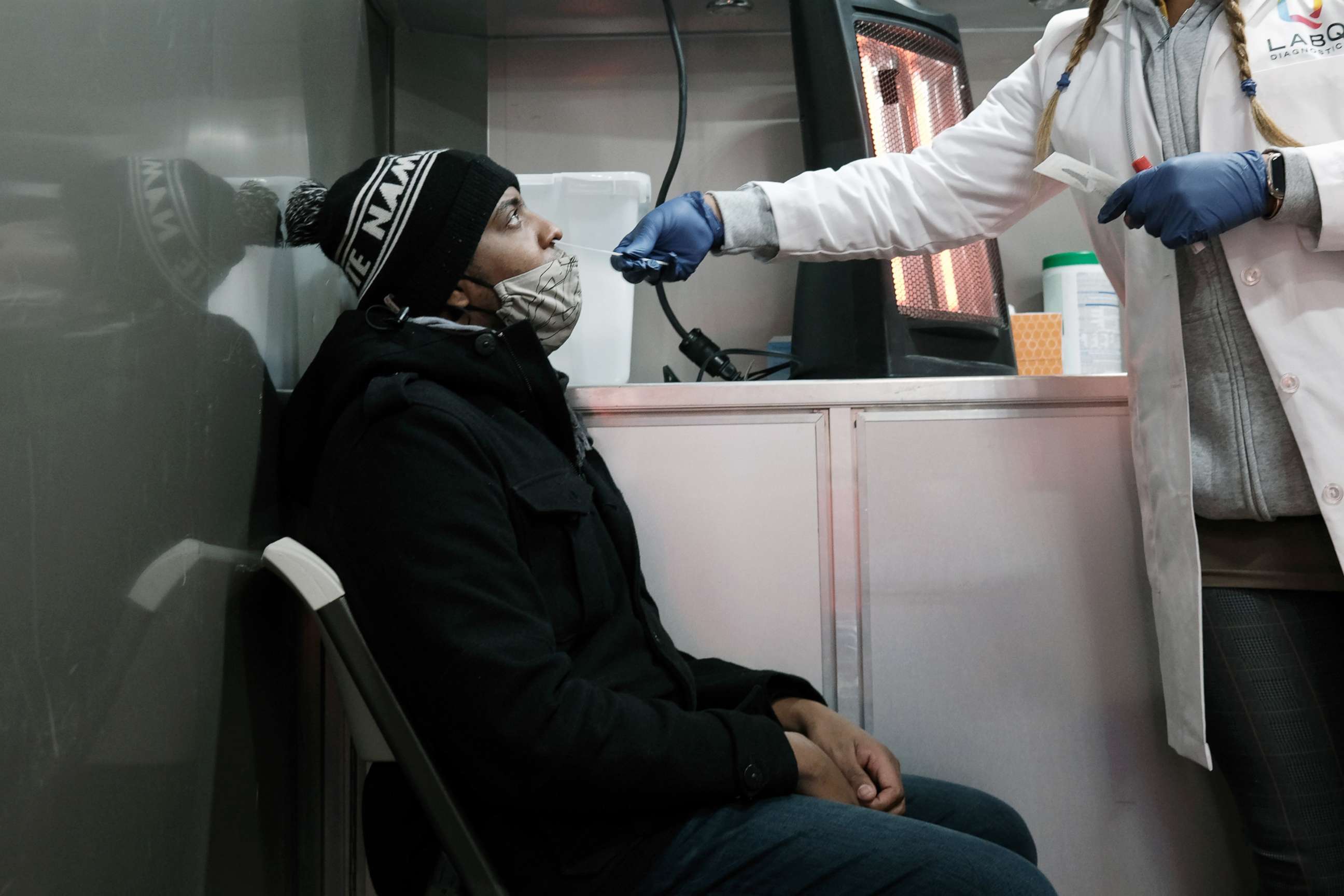
Brownstein predicted that as more and more adults develop immunity through vaccination or natural infection, "the virus will naturally gravitate to younger age groups, because essentially that becomes the natural pool of people that are susceptible."
Immunizations have been shown to reduce rates of severe cases and thus hospitalizations and deaths. If the virus continues to mutate and evade vaccines, scientists may have to adapt vaccines to more closely match the dominant strain.
"[We] will have to be nimble to be able to adjust readily, to make versions of the vaccine that actually are specifically directed towards whatever mutation is actually prevalent at any given time," Dr. Anthony Fauci, the nation's top infectious disease expert said in a White House briefing Jan. 29.
Although experts said it's impossible to predict the future, they agreed that the virus that causes COVID-19 is unlikely to be completely eradicated by current vaccines and prevention measures. Rather, it will likely transform into a milder illness that can be managed seasonally, like the annual flu.
"We may have to think about rewiring our brains around how we view this virus," Brownstein said. He said everyone should prepare for a yearly evolutionary arms race, similar to the one against the seasonal flu, and ultimately acknowledge that COVID-19 is here to stay.
In addition, if we can curb transmission as much, and as rapidly as possible, with inoculations as well as by staying vigilant with "non-pharmaceutical interventions," such as masks, distancing, hand hygiene and ventilation, we could prevent or slow down the emergence of new variants, Morse told ABC News.
ABC News' Sony Salzman contributed to this report.