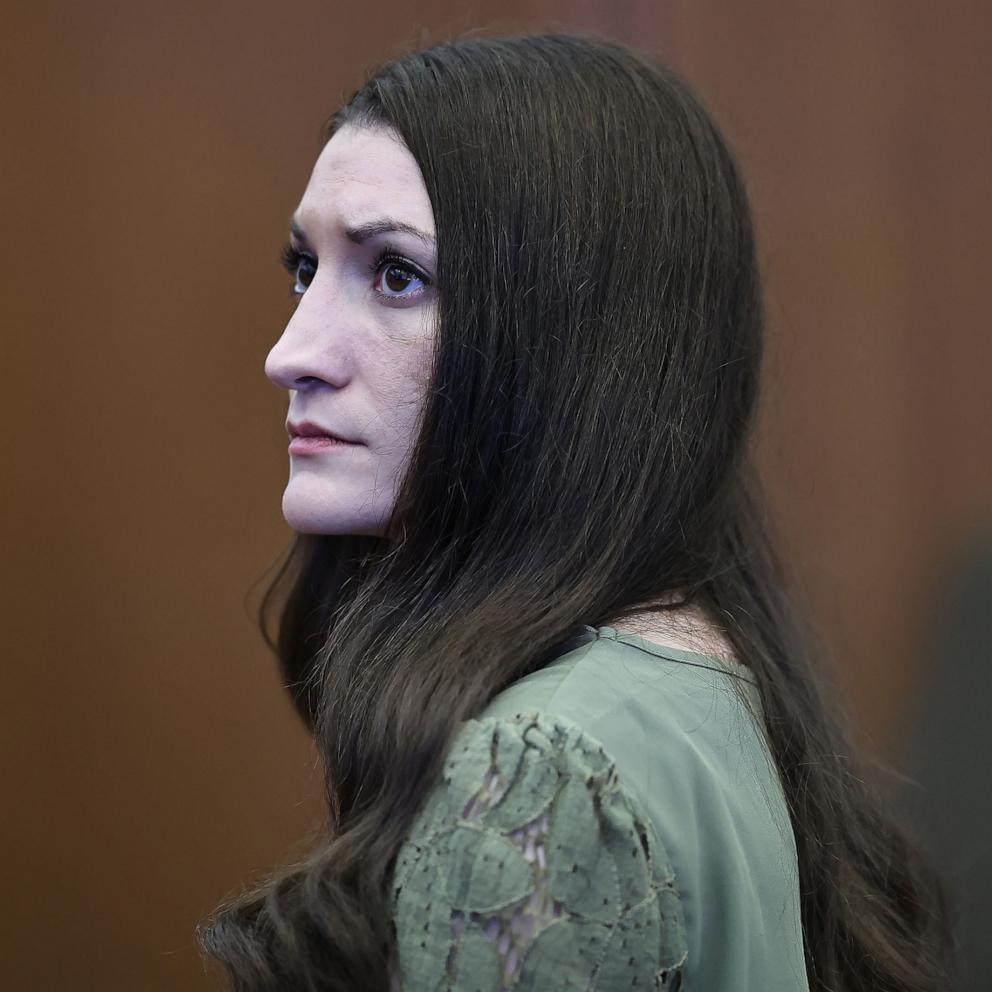
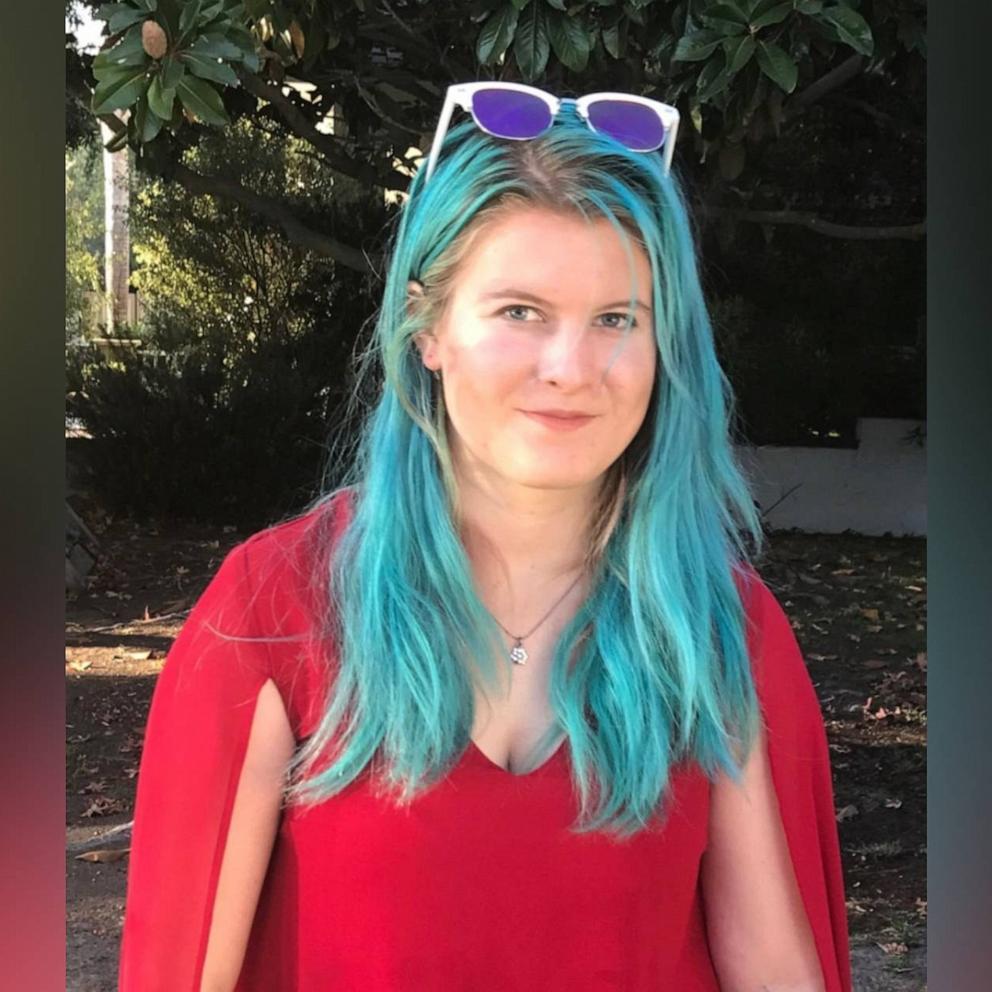
Manslaughter charge dismissed in Daniel Penny trial, jury to consider negligent homicide charge

A judge has dismissed the second-degree manslaughter charge against Daniel Penny in the death of Jordan Neely at the request of prosecutors after jurors said they were deadlocked.
Judge Maxwell Wiley encouraged the jury to continue deliberating on Monday the lesser charge of whether Penny committed criminally negligent homicide when he placed Neely, a homeless man, in a chokehold on the New York City subway last year.
The dismissed second-degree manslaughter charge carried a maximum 15-year sentence, while the lesser charge of criminally negligent homicide has a four-year maximum sentence. Neither crime has a minimum sentence.
Defense attorney Thomas Kenniff opposed the prosecution's motion to dismiss the more severe charge, arguing the move could lead to a "coercive or a compromised verdict" by "elbowing" jurors to convict on criminally negligent homicide.
"What that means is you are now free to consider count two. Whether not that makes any difference or not, I have no idea," Wiley said before sending the jury home for the weekend.

Penny, a 26-year-old former Marine, put Neely, a 30-year-old homeless man, in a six-minute-long chokehold after Neely boarded a subway car acting erratically, according to police. Witnesses described Neely yelling and moving erratically, with Penny's attorneys calling Neely "insanely threatening" when Penny put Neely in a chokehold.
The city's medical examiner concluded Penny's chokehold killed Neely.
He was initially charged with both manslaughter and negligent homicide charges. He pleaded not guilty to both.
Since getting the case on Tuesday, the jury has been deliberating for over 23 hours. On Friday, the jury sent two notes repeating that they could not come to a unanimous conclusion on the second-degree manslaughter count.
Wiley gave the jury an Allen charge, which refers to the jury instructions given to a hung jury that encourages them to continue deliberating despite the deadlock. He is giving the lawyers time to consider the next steps.
"Jury deliberations are not intended to be easy," Judge Wiley told the jury, instructing them that a future jury would be in no better position to reach a verdict than they would.
Penny's lawyer, Kenniff, unsuccessfully asked for mistrial twice, arguing that the Allen Charge would be "coercive."
"It would be a crazy result to have a hung jury just because they can't move on to the second count?" prosecutor Dafna Yoran said. She also told Wiley that a new trial would "ultimately [be] the case if they hang the case."
The jury on Friday also sent back a note requesting more information about the term "reasonable person" in their instructions.
"Ultimately, what a reasonable person is up to you to decide," Wiley told the jury in response to their note, referring them to a two-part test in jury instruction.
To convict Penny of manslaughter, the jury needed to be convinced Penny acted recklessly and grossly deviated from how a reasonable person would behave knowing the risk his conduct posed.
"Would a reasonable person have had the same honestly held belief as the defendant given the circumstances and what the defendant knew at that time?" Wiley asked, referring to the second part of the test.
Before the jury entered the courtroom on Friday, Wiley noted how the "reasonableness" standard was established in People v. Goetz – another high-profile New York trial after Bernhard Goetz shot four teenagers on a New York subway in 1984 after they allegedly tried to rob him. A New York jury convicted Goetz for one count of carrying an unlicensed firearm but acquitted on the more severe charges, and the trial sparked a nationwide debate about race and crime that has echoed forty years later in Penny's case.