What to know about the deadly Australia bushfires and why they're expected to continue for months
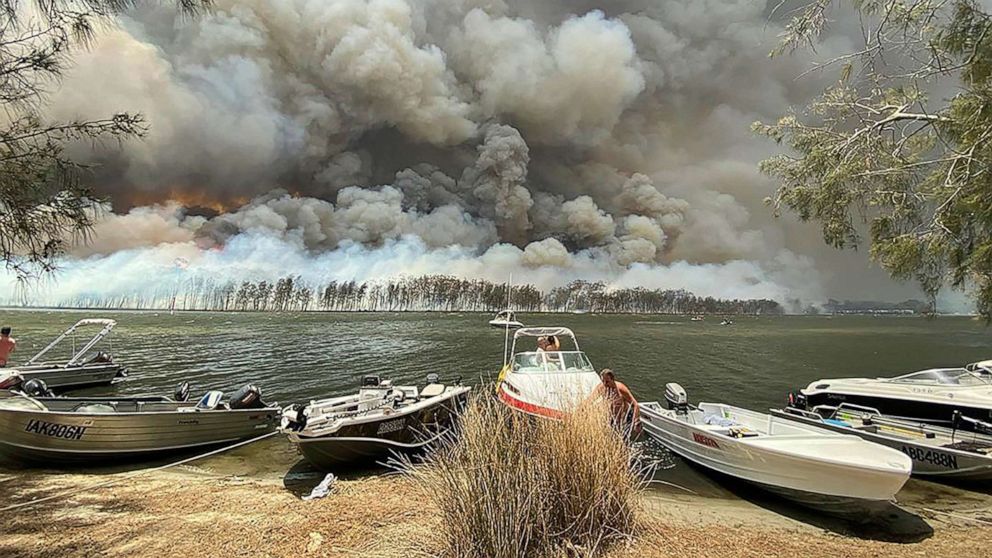
Australia's bushfires are continuing to wreak havoc on communities all over the country.
The wildfires began in September and are expected to last for several months as the hot weather continues.
Here is what you need to know about the fires:
Weather conditions are exacerbating the problem
The bushfires have been fueled by prolonged drought and deforestation as well as the seasonal dry weather that affects the country every summer.
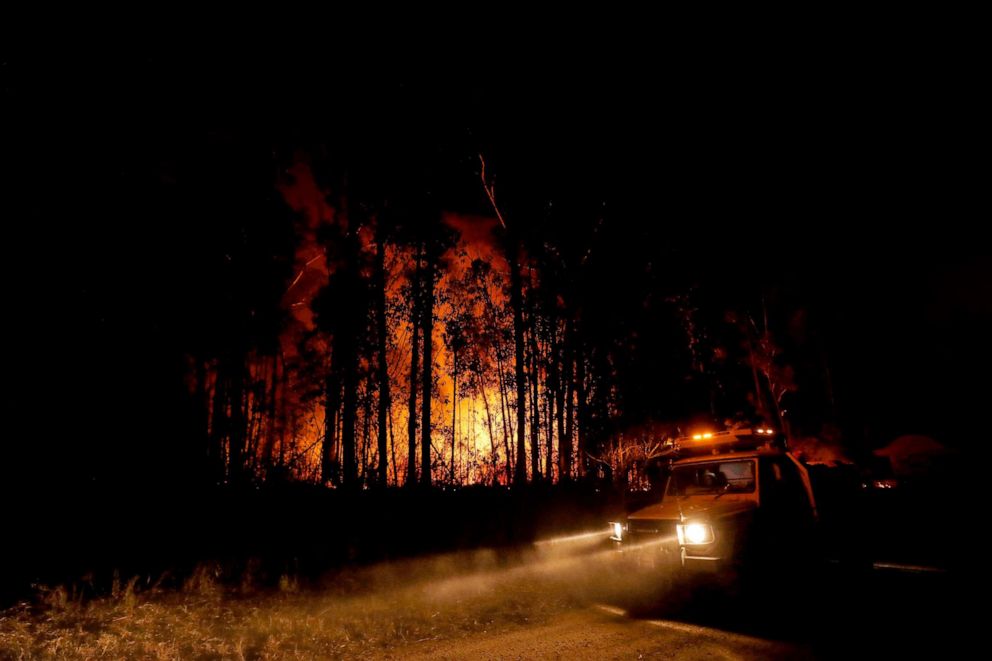
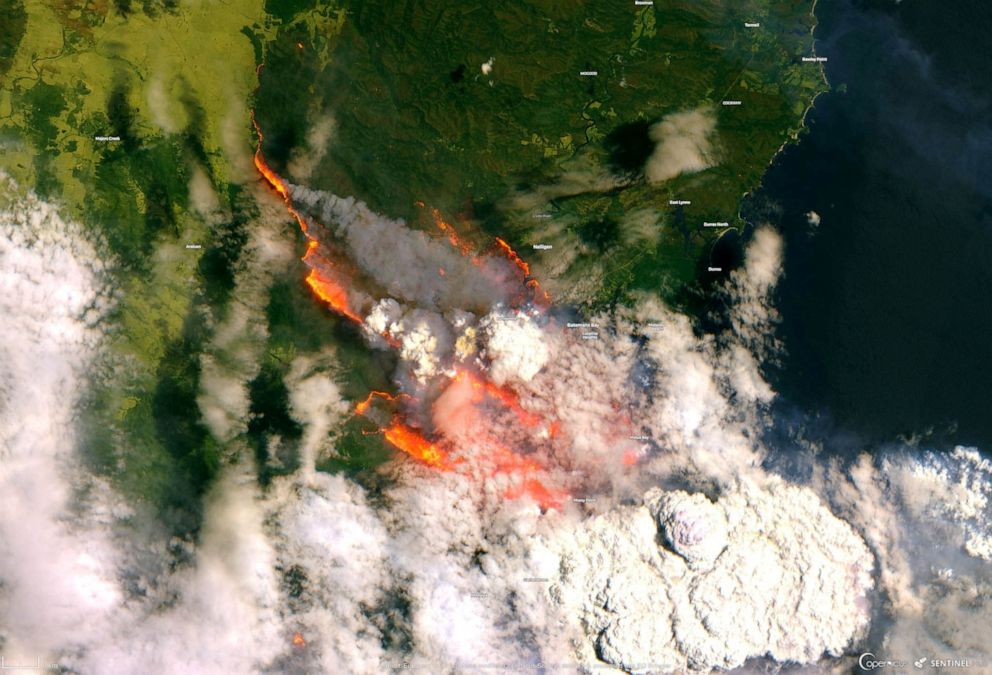
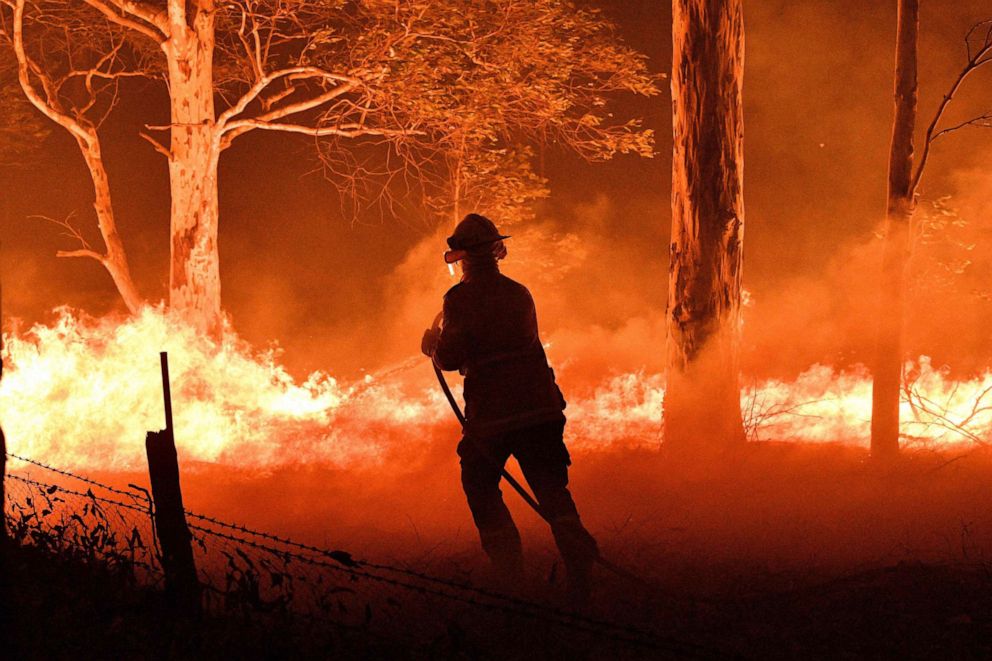
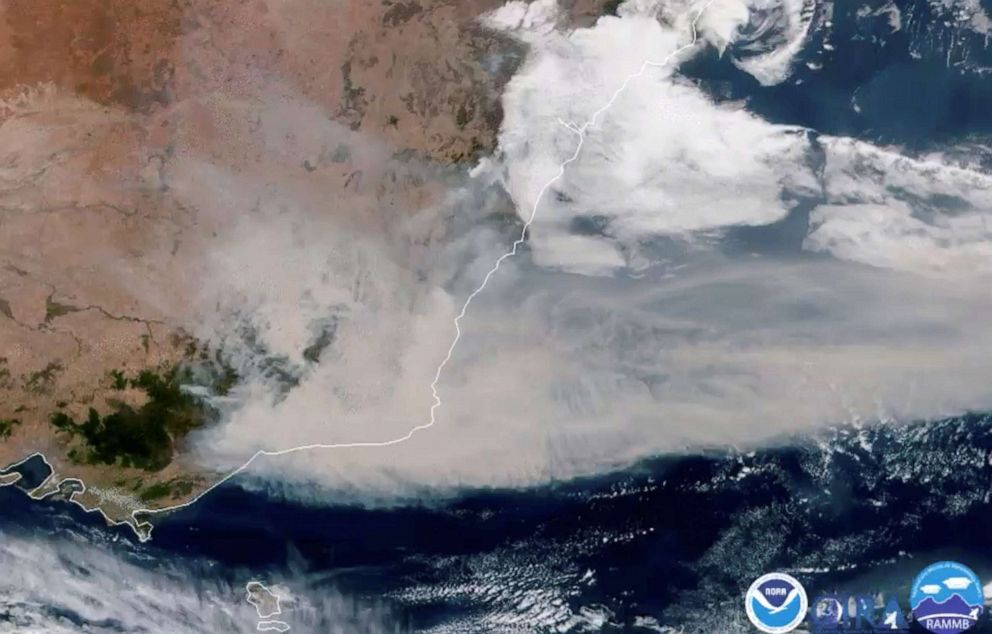
Fires are burning all over continental Australia and Tasmania. On the east coast in New South Wales more than 100 fires were burning on Wednesday.
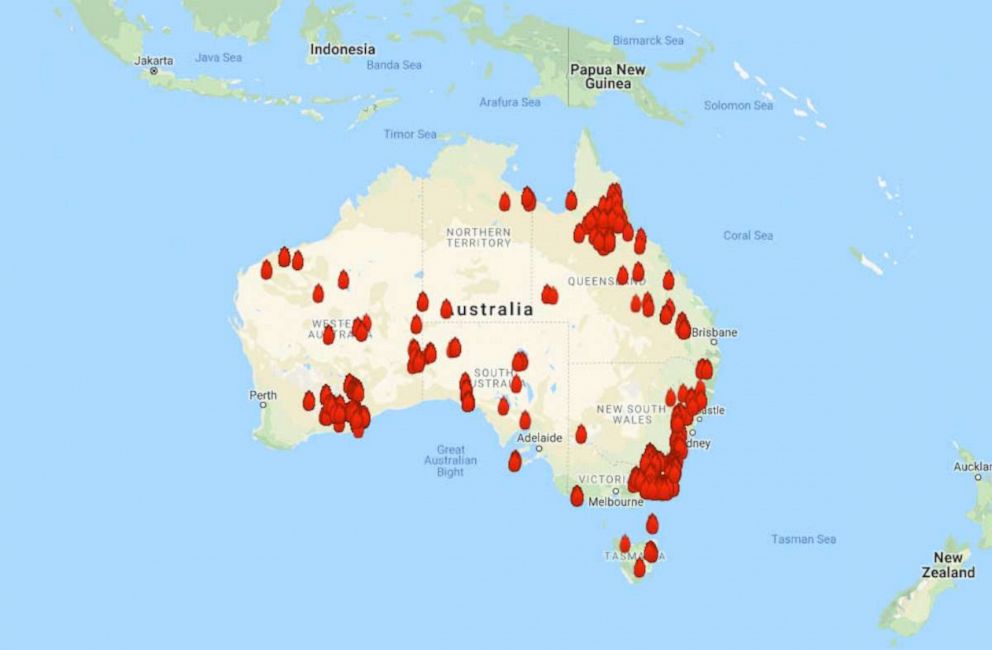
Although temperatures have cooled a bit, conditions are forecast to worsen by Saturday. Ahead of a trough moving over the east coast is a mass of hot air, which could impact wind speeds. Temperatures are expected to reach 104 degrees Fahrenheit in large parts of the country.
At least three more months of hot weather are expected in the country.
Australia's prime minister warned that the crisis will continue until the country gets a "decent rain," The Associated Press reported.
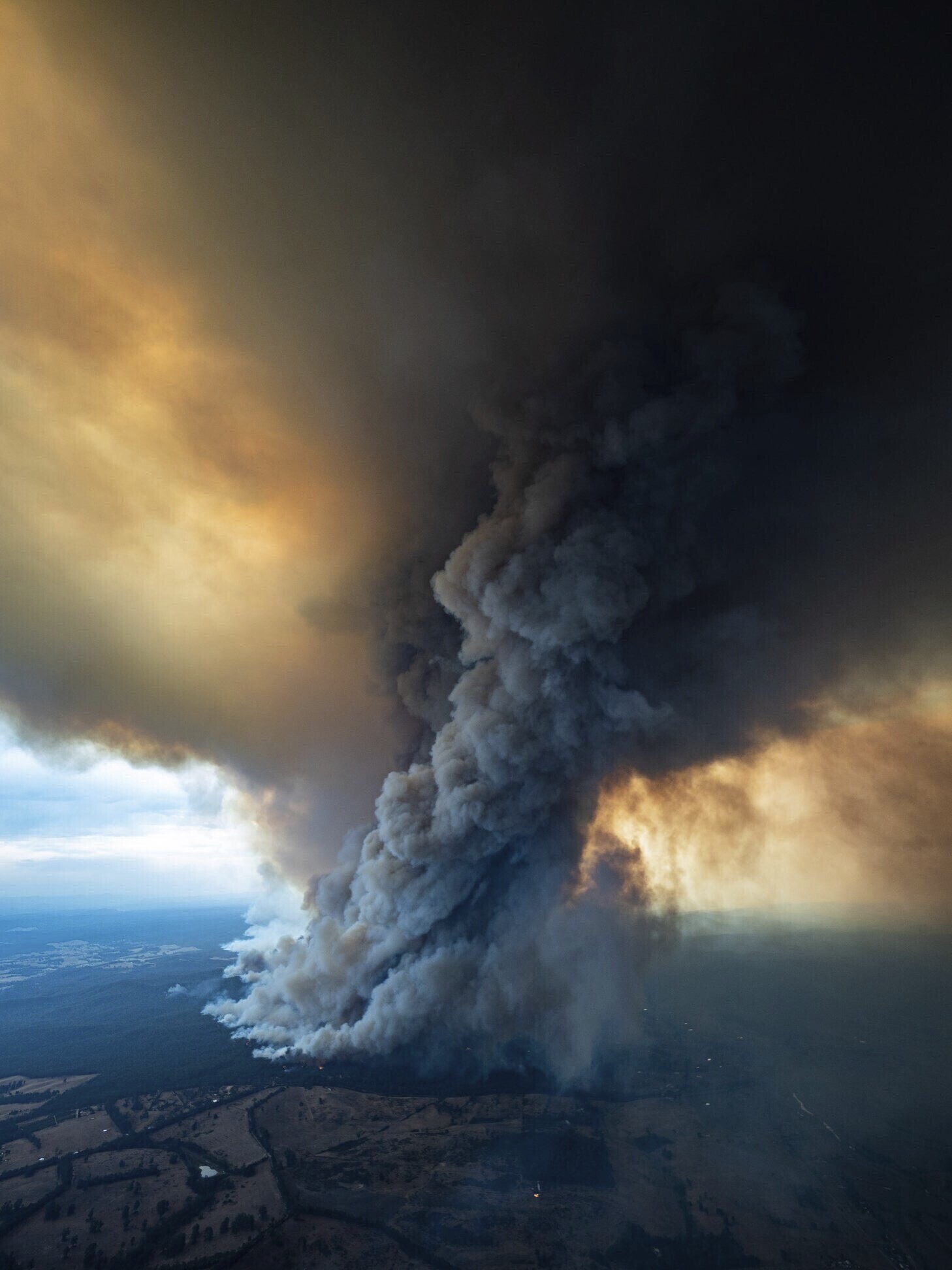
The smoke is so dangerous that the nation's capital, Canberra, is currently ranked the world's worst on the air quality index, the AP reported. Smoke has also wafted across the Tasman Sea into New Zealand.
Casualties and property destruction continue to rise
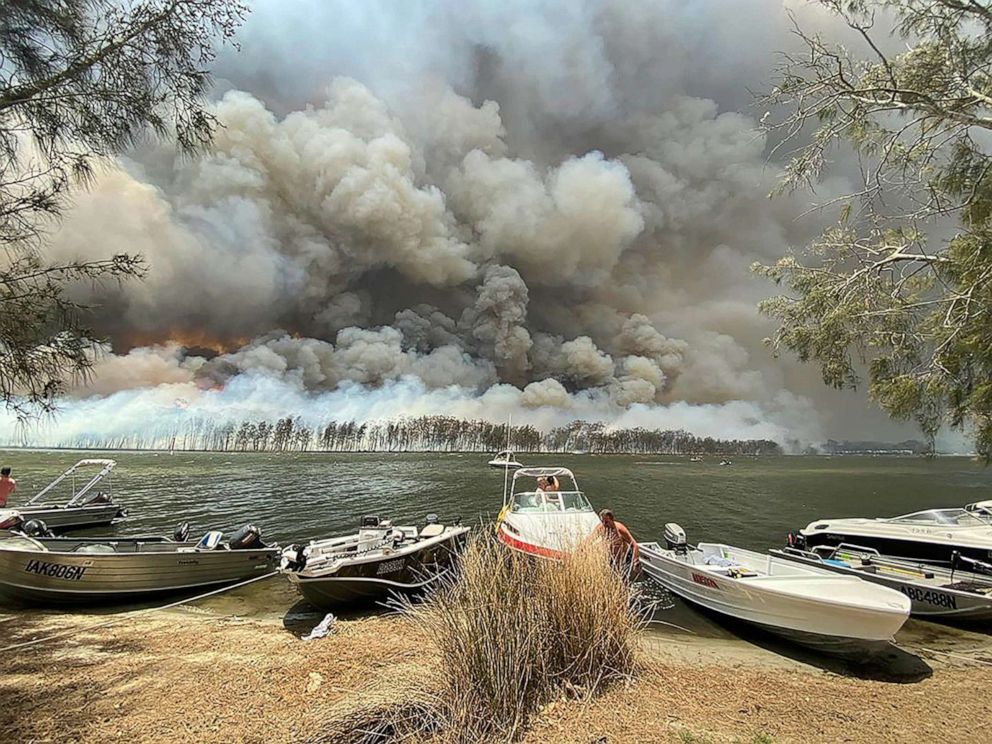
The death toll rose to 17 people on Wednesday after three additional bodies were found at Lake Conjola on the south coast of New South Wales, and several more people are listed as missing, the AP reported.
More than 175 homes have been destroyed from the most recent fires, the AP reported. In New South Wales alone, more than 400 homes have been burned.
Nationwide, more than 12.35 million acres of land -- about twice the size of Vermont -- have burned and more than 1,400 homes have been destroyed over the past few months, according to the AP.
The government has deployed military ships and aircraft to bring food, water and fuel to communities where roads were cut off by the fires. Some towns canceled firework celebrations for New Year's to prevent new wildfires.
Nearly 500 million animals are believed to have died in the fires
The fires have also been devastating for wildlife in the country.
University of Sydney ecologists estimate that around 480 million animals have been killed. Up to 30% of the koala population in New South Wales' mid-north coast may have been killed, Australia's minister for the environment, Sussan Ley, told the Australian Broadcasting Corporation. The region is known for its koala population.
"We have lost thousands, thousands of koalas, thousands of so many other species," Cheyne Flanagan, director of Koala Hospital in New South Wales, told ABC News. Flanagan said her hospital has taken in dozens of Koalas that had either been burnt or lost their habitats.
"This is the worst event this country has ever seen. Without a doubt, horrific," Flanagan said.
The fires also make the koalas more susceptible to certain disease, which could further endanger their populations, according to Flanagan.
"With the drought, there's no moisture out there in the eucalyptus leaves," Flanagan said. "There's no groundwater so they're all dying of dehydration, burns, and disease."
Videos have been circulating on social media of concerned passersby giving water to thirsty koalas they encounter on the side of roads. The marsupials "have no capacity to move fast enough to get away" from fires as they spread through the treetops, Mark Graham, an ecologist with the Nature Conservation Council, said during an a New South Wales parliamentary inquiry last month.
In November, fundraisers to save the koala population began to skyrocket as the fires worsened.
Thousands of residents, tourists ordered to evacuate
More than 30,000 people have been ordered to evacuate popular vacation spots in the country.
Authorities in New South Wales ordered tourists to leave a 155-mile zone along the south coast on Thursday morning. A seven-day state of emergency was issued and will go into effect on Friday. A first-ever state of disaster was also issued in Victoria, the country's second most populous state.
Many people headed to beaches, even standing in shallow waters, to avoid the flames, video from Reuters shows.
About 4,000 Australians who could not escape due to closed roads took refuge by the beach in the town of Mallacoota on New Year's Eve.
Parking lots at gas stations and surf clubs transformed into evacuation areas as those with nowhere to go were forced to sleep in their cars, according to the AP.
The evacuations have caused traffic standstills, gas shortages and depletion of stock at supermarkets, according to the Australian Broadcasting Corporation.
The U.S. embassy in Canberra has now advised Americans not to travel to the New South Wales south coast between Batemans Bay and the border of Victoria.
Residents placing blame on government
Morrison and his conservative government have been fielding criticism for not doing enough to mitigate the fire.
Residents and activists called on Morrison to enact policies to combat climate change, but the prime minister has refused to downsize the country's coal industry. Australia is the world's largest exporter of coal and liquefied natural gas.
Morrison was confronted by angry residents as he toured the town of Cobargo in New South Wales on Thursday. In the town of Quaama, a firefighter from the New South Wales Rural Fire Service refused to shake Morrison's hand.
Morrison's government has pledged to reduce gas emissions to 28% by 2030 compared to the Labor Party's pledge to reduce emissions by 45%, according to the AP. The prime minister has said that the country would still meet its emissions targets.
ABC News' Guy Davies, Daniel Manzo and Karson Yiu contributed to this report.