Dire state of coral reefs highlighted by first-ever World Reef Day
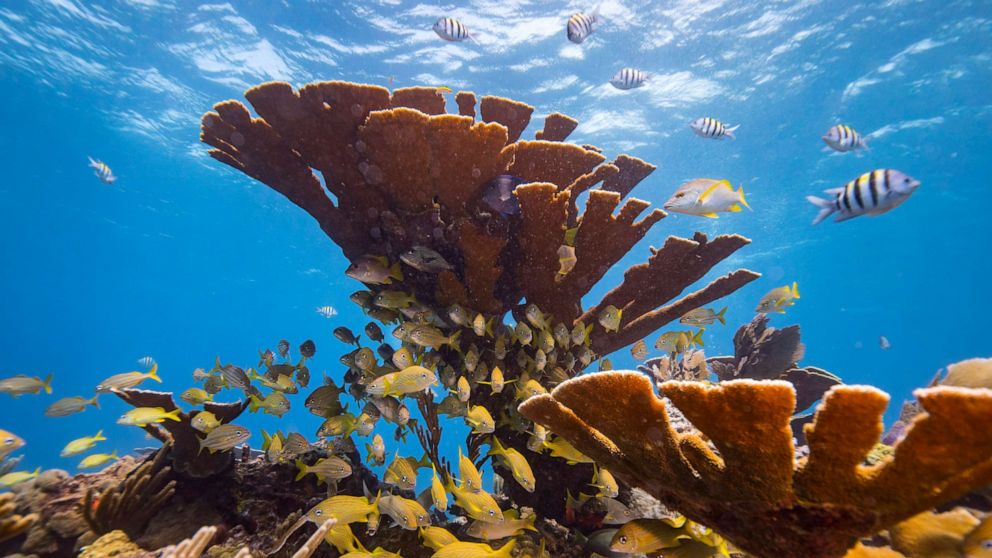
A quarter of the world's coral has disappeared in the last 30 years, and scientists warn that coral reefs could be entirely wiped out by the end of the century.
Coral reefs support more marine species than any other undersea habitat, with over 25% of the ocean’s fish depending on the healthy coral. The National Oceanic and Atmospheric Administration estimates that nearly half a billion people depend on reefs as sources of food and income.
This year, Brian Guadagno, CEO of Raw Elements natural sunscreen, has partnered with Hawaiian Airlines and Aqua-Aston Hospitality to launch the first ever World Reef Day on June 1. The goal of the day is to shed light on the state of coral reefs worldwide.
"It’s incredible to see something that started as an idea turning into a global movement," Guadagno said. "We are celebrating the inaugural year in Hawaii to honor the work the state has done to preserve its reef. Our goal is to build the day each year and create a legacy for future generations."
As one of the world’s most colorful and diverse ecosystems, coral reefs live every day precariously perched between thriving underwater communities and dying, bleached graveyards. The delicate balance is a product of both natural and man-made stressors – from ozone depletion to sunscreen pollution – and everything in between.
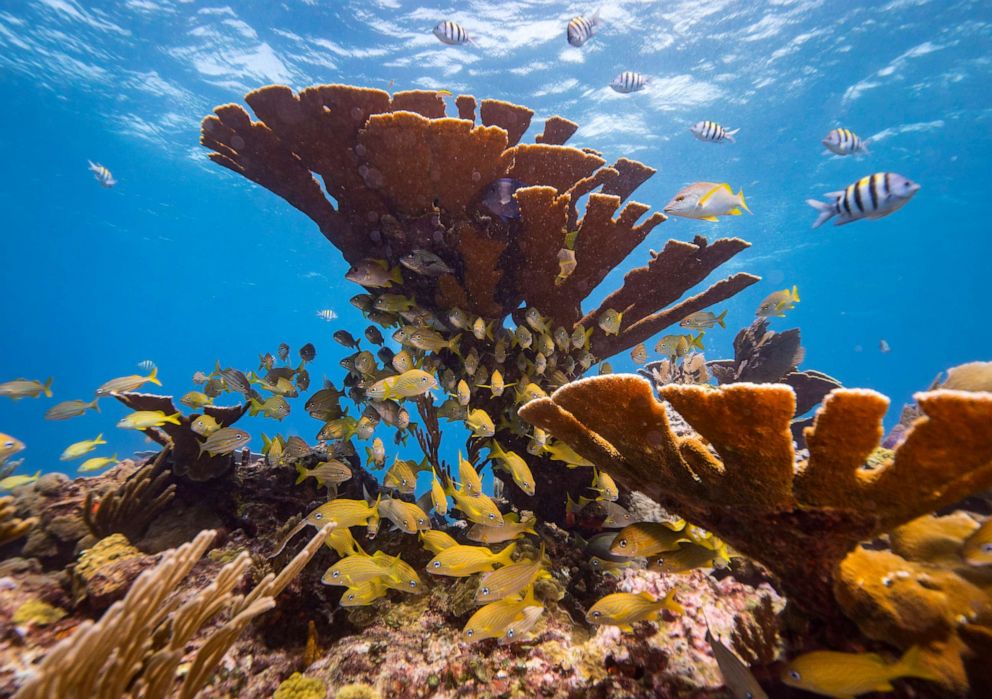
Most structures that we often identify as coral are actually comprised of thousands of tiny coral creatures called polyps, according to the NOAA. In hard coral, these polyps secrete rigid limestone skeletons and attach themselves to rock or nearby dead polyps and, with repetition, grow to become the expanse and vibrant coral reefs we have today.
Coral reefs can be found in both deep and shallow waters, but it is the latter that lends itself to booming coastal economies through tourism, fishing, shoreline protection and more. Mismanaged and unregulated use of these natural wonders and the waters they live in, however, is cited as one of the leading culprits in the alarming demise of coral reefs on a global scale.
Dr. Pamela Hallock, a professor of Marine Science at the University of South Florida, has placed particular emphasis on the link between stratospheric ozone depletion and coral bleaching – an event that occurs when warmer than normal waters and excess UV cause overwhelming stress to the already delicate corals. Ozone depletion can occur naturally from events such as volcanic eruptions, but also from certain man-made chemicals and products, including aerosol propellants and blowing agents for foam.
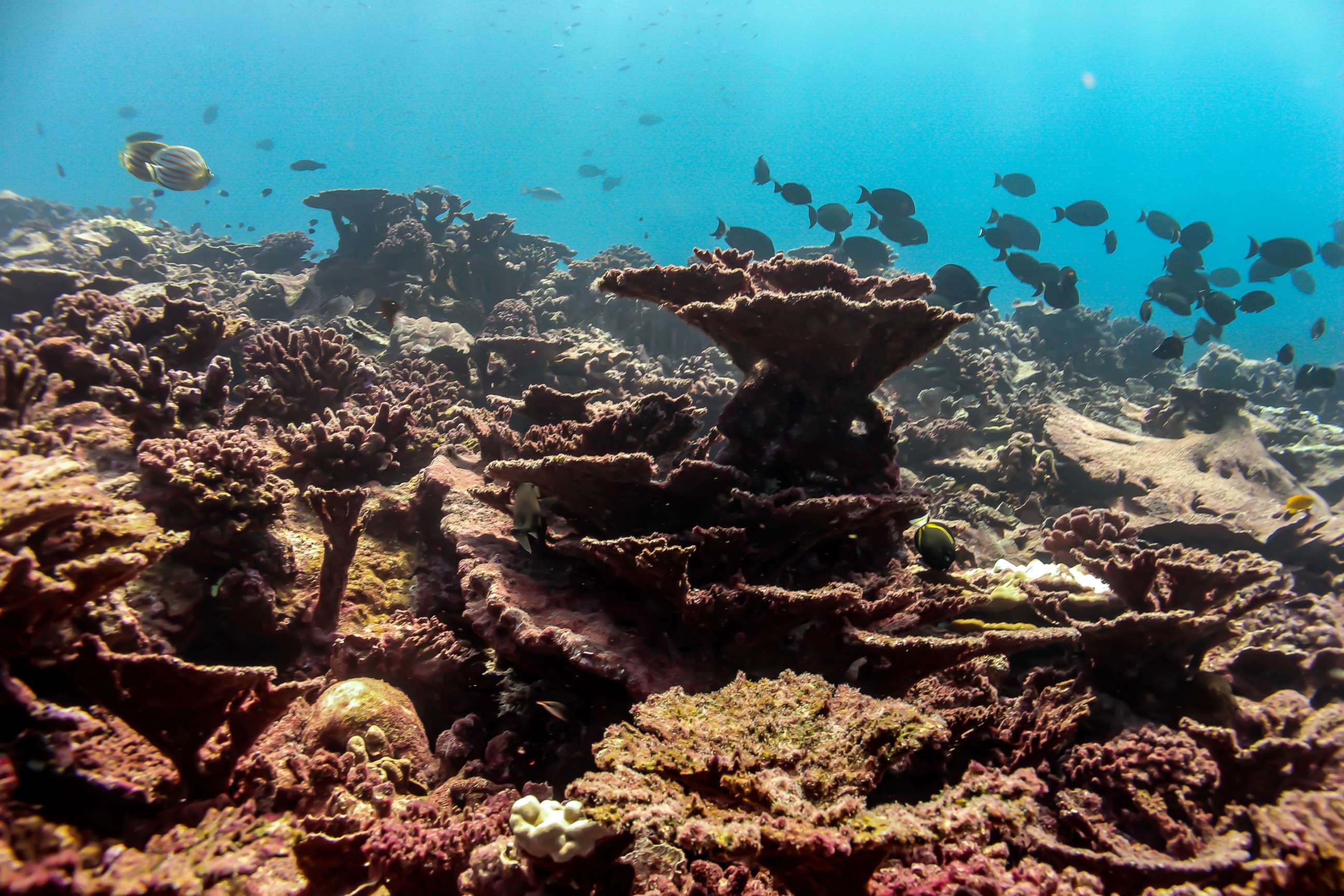
Dr. Craig Downs, executive director of the Haereticus Environmental Laboratory in Virginia, has found that sewage contamination, in addition to pollutants such as sunscreen, chemicals and plastics, is the leading cause of near-shore coral reef death. Climate change and ocean acidification, which slowly erodes reefs, have exacerbated the problem.
“Our coral reefs are not just dying. They aren’t coming back," he said.
Still, Downs said there is some room for optimism: a human problem can have a human solution.
“The thing about pollution is that we created it, and we are the only factor that can solve it," he said.