DNC ups the ante for next Democratic debate as primary enters new phase
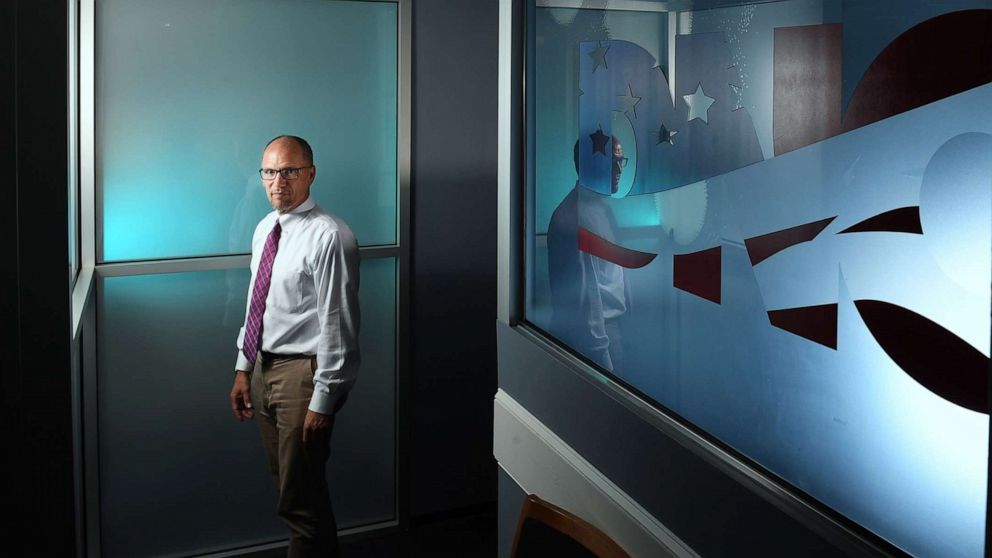
The Democratic National Committee imposed more rigorous qualifying rules for the Democratic debate in November, slightly raising the polling and grassroots fundraising thresholds for the presidential contenders and making it more difficult for the candidates to earn a spot.
The DNC outlined the new rules on Monday for a field that still counts 19.
Candidates must cross one of the two polling requirements and receive donations from at least 165,000 individual donors, an increase from 130,000 for the fall debates, in order to qualify.
For the polling requirements, Democratic hopefuls must earn either 3% or more in at least four polls in national or early state polls in Iowa, New Hampshire, South Carolina and/or Nevada -- a modest bump from the last round of debates -- or secure 5% or more support in two early state polls. For the first avenue of the polling threshold, each of the four qualifying polls must be sponsored by different poll sponsor or -- if by the same poll sponsor -- must be in a different geographical area. But with far less polling coming from the early states, the DNC is allowing for the two early state polls to be in the same or different geographical areas and from the same or different sponsors for the second avenue.
All qualifying polls must be publicly released between Sept. 13 and midnight seven days before the debate. The details for the November debate, including the date, have yet to be announced.
Party officials also upped the grassroots threshold and -- in addition to garnering 165,000 donors -- candidates must also receive a minimum of 600 unique donors per state in at least 20 U.S. states, U.S. territories or the District of Columbia.
In the crowded field, at least 11 candidates have already clinched the donor threshold, according to an ABC News analysis: Former Vice President Joe Biden, South Bend Mayor Pete Buttigieg, former Housing and Urban Development Secretary Julian Castro, Hawaii Rep. Tulsi Gabbard, California Sen. Kamala Harris, Minnesota Sen. Amy Klobuchar, former Texas Congressman Beto O'Rourke, Vermont Sen. Bernie Sanders, billionaire activist Tom Steyer, Massachusetts Sen. Elizabeth Warren, and entrepreneur Andrew Yang.
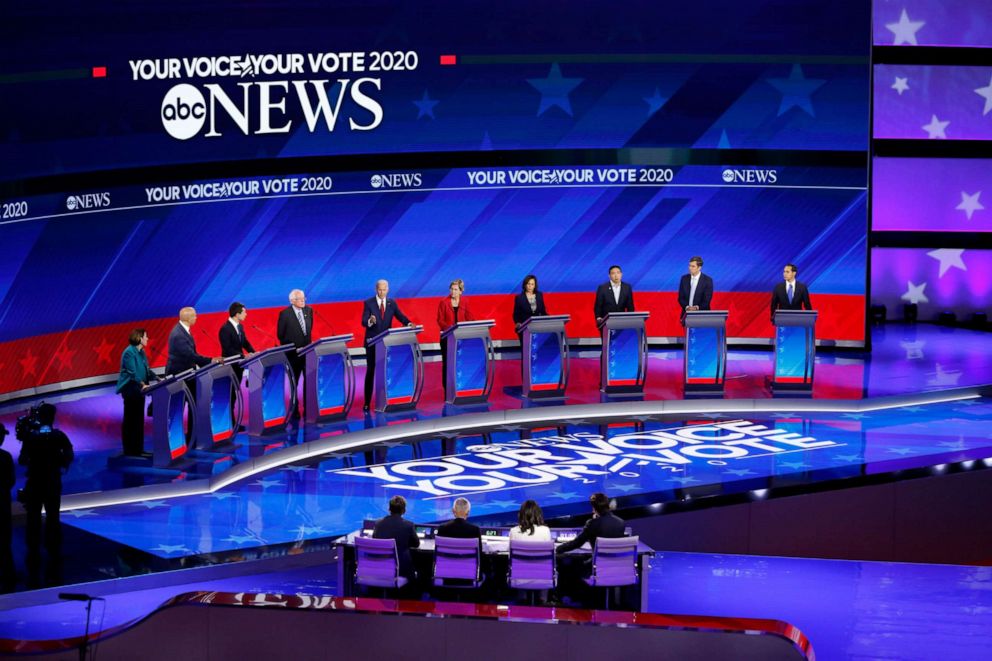
Throughout the Democratic primary contest, the committee has consistently introduced more stringent rules for debate qualification. After 20 candidates qualified for the first two debates in June and July -- with 10 candidates appearing over two nights of debate -- the rules for the third debate, hosted by ABC News and Univision, cut the field in half, with only 10 candidates on the stage in Houston for a single night of debate.
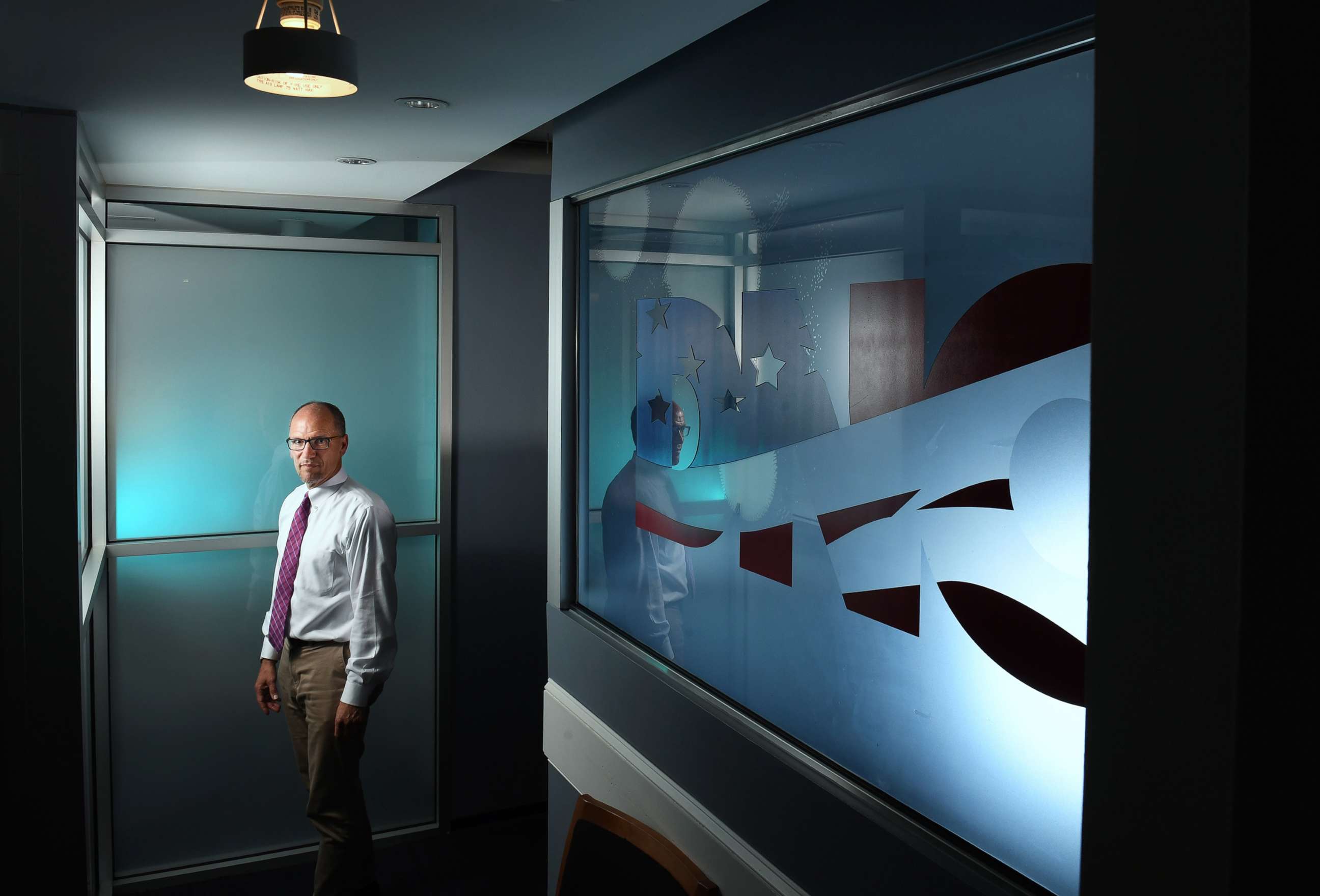
Several candidates in the field have openly expressed their gripes with the tightening qualifying rules, but DNC Chair Tom Perez maintained earlier this month that the qualifications are designed to reflect voter preferences at this stage in the race.
"Our process has been the most fair, transparent, inclusive process in the history of the Democratic primary," he told ABC News Chief Anchor George Stephanopoulos on "This Week."
Next month's primary debate will be hosted by CNN and the New York Times and is slated for Oct. 15, under the same qualifying rules as September. If necessary, a second debate will be held on Oct. 16. In order to qualify for the October debate, candidates must receive 2% or more support in at least four national polls, or polls conducted in the early-voting states of Iowa, New Hampshire, South Carolina and/or Nevada and publicly released between June 28 and 11:59 p.m. Oct. 1.
Candidates must also have received donations from at least 130,000 unique donors over the course of the election cycle, with a minimum of 400 unique donors per state in at least 20 states.
So far, 11 candidates have qualified for the next debate, according to an ABC News analysis.