This is when domesticated dogs possibly arrived in the West, new research says
The origins of how dogs became man's best friend across large swaths of the globe are becoming more clear.
Dogs may have been widely distributed throughout western Eurasia at least 14,200 years ago, but the exact timing of their origins toward domestication had been largely uncertain, according to researchers.
Scientists are now getting a better understanding of when domesticated dogs arrived in the West, a paper published Wednesday in Nature found.
Previous research pointed to dogs likely diverging from wolves more than 15,000 years ago, during the Palaeolithic period, according to the paper. The earliest recognizable dog remains found in Europe date to at least 14,000 years ago, and the previous genetic record of a domesticated dog was from about 10,900 years ago, the researchers said.
Researchers analyzed the genomes of 216 dog and wolf remains from Europe and nearby regions, according to the paper.
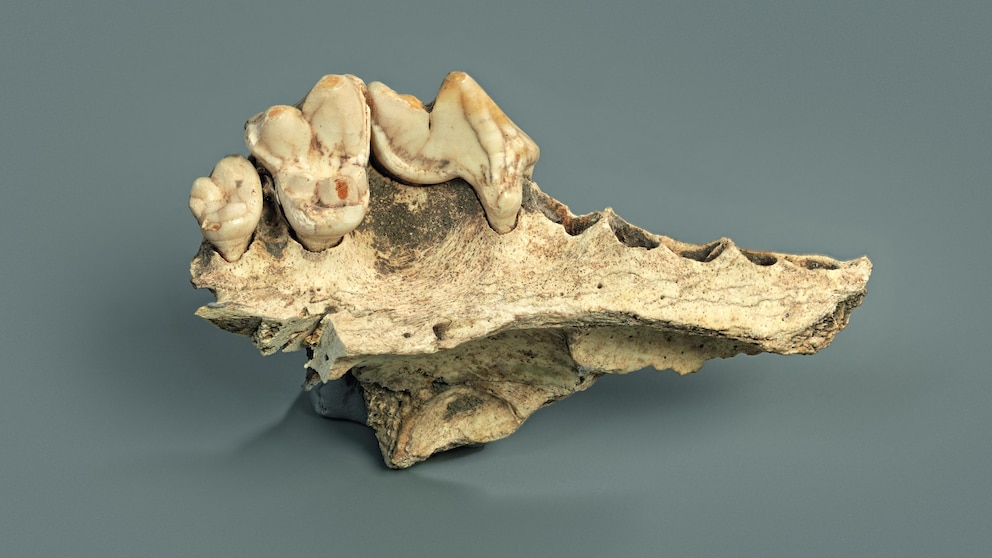
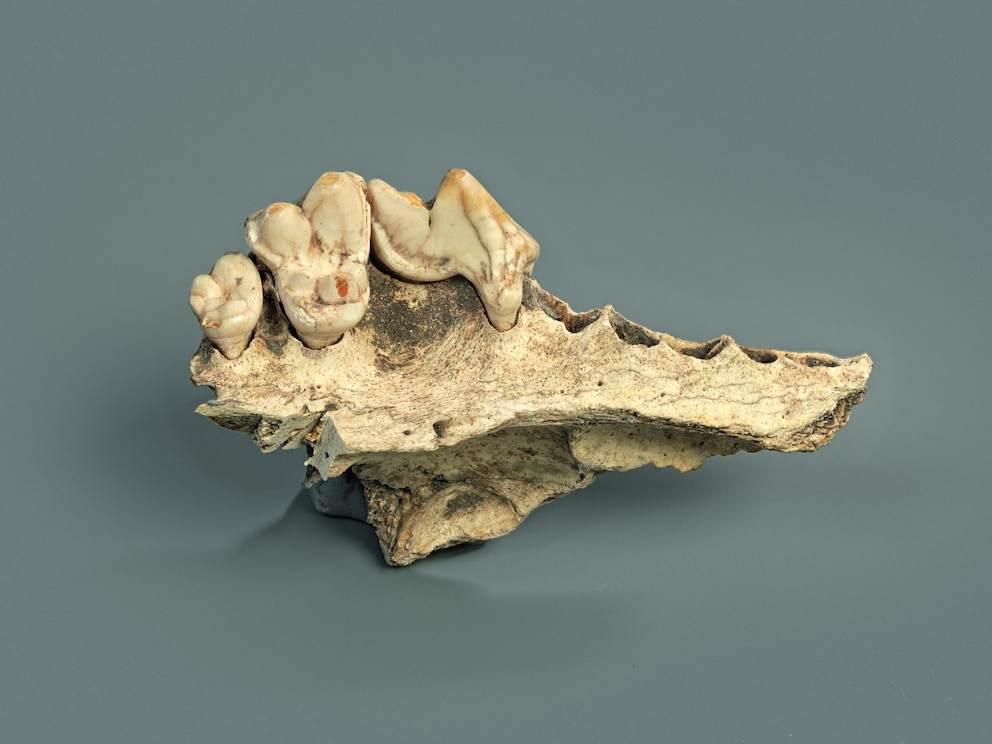
The earliest specimen the researchers analyzed was an early dog from a site in Kesslerloch, Switzerland, that dated from about 14,200 years ago through radiocarbon dating.
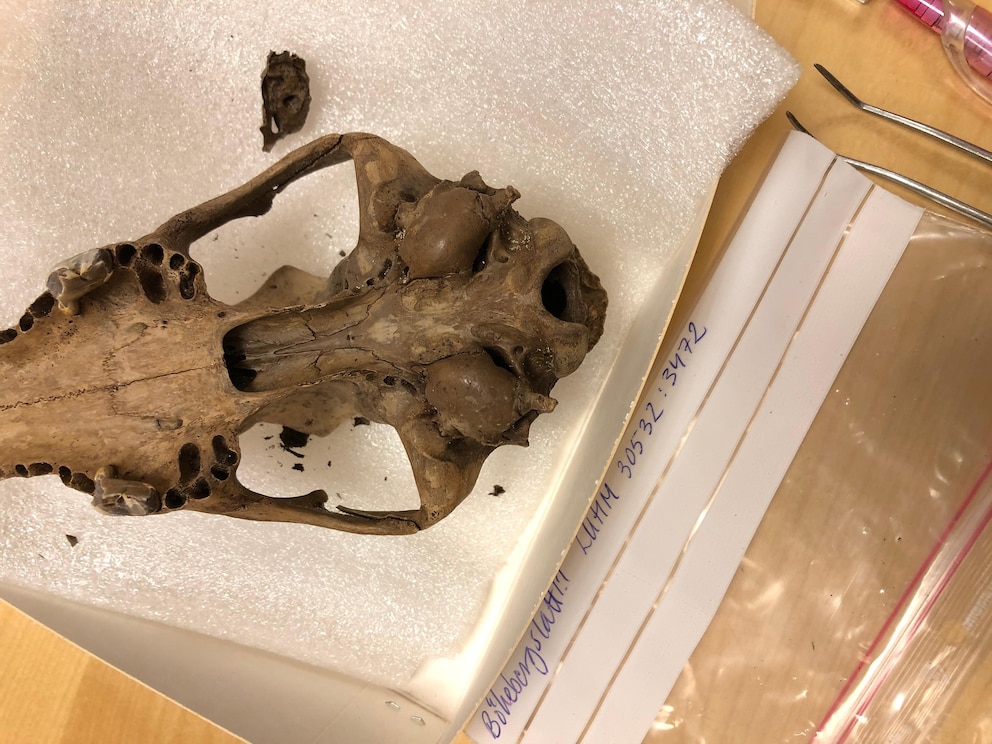
Examination of the Kesslerloch dog's genome indicated a shared ancestry with dogs from other regions. This means genetic diversification of domesticated dogs actually began more than 14,200 years ago and that the dogs from the Palaeolithic period in Europe did not derive from an independent domestication process, the researchers said.
There was also an influx of Southwest Asian ancestry into some European dogs from the Neolithic period -- about 12,000 to 2,000 years ago -- which could reflect the migration of people during the spread of farming in Europe, according to the paper.
This suggests that dogs from local hunter-gatherer groups made a "substantial" contribution to European dogs during the Neolithic -- and possibly modern -- era, the authors said.
The process was "large-scale and dramatic," Anders Bergstrom, a lecturer at the University of East Anglia's School of Biological Sciences and co-author of the paper, told reporters during a news conference on Tuesday. The presence of the dogs spanned from Turkey to the U.K., and they were genetically similar, said Lachie Scarsbrook, a postdoctoral researcher at the Ludwig Maximilian University of Munich.
Dogs were the only domesticated animal present in Europe before agriculture, the researchers said.

An additional study examined genomes from dogs found at a site in Pinarbasi, Turkey; Gough’s Cave in Somerset, England; and two sites in Serbia from the Mesolithic era -- about 11,500 to 7,900 years ago -- and found that domesticated dogs were already widely distributed across western Eurasia by at least 14,300 years ago, according to the paper.
These dogs were genetically similar and members of a population that expanded across the region between 18,500 and 14,000 years ago, the authors said. Their remains are also associated with local hunter-gatherer groups that were genetically and culturally different, so the spread of domesticated dogs may be linked to migration and interaction of these groups, the scientists said.
"The sprint of these dog populations between these human groups that were culturally and genetically distinct must have been extremely rapid," Scarsbrook said.
There was likely an expansion of humans during the end of the last Ice Age from the Balkan Peninsula to the surrounding region, in which they interacted with other hunter-gatherers, Scarsbrook said.
In both scenarios, the humans brought their dogs with them, the authors said.
While the researchers are unsure about the kind of role dogs played at the time, it appears that they were "useful" to the humans they surrounded, Bergstrom said.
"Whatever roles they did play, they were useful to hunter-gatherer societies," he said.
Both studies provide strong genetic evidence for the early presence and spread of dogs in Europe -- confirming the presence of dogs in Europe back to the late Paleolithic period and offering new insights into how ancient human populations migrated, according to the paper.