• Video
  • Shop
  • Culture
  • Family
  • Wellness
  • Food
  • Living
  • Style
  • Travel
  • News
  • Book Club
  • Newsletter
  • Privacy Policy
  • Your US State Privacy Rights
  • Children's Online Privacy Policy
  • Interest-Based Ads
  • Terms of Use
  • Do Not Sell My Info
  • Contact Us
  • © 2026 ABC News
  • News

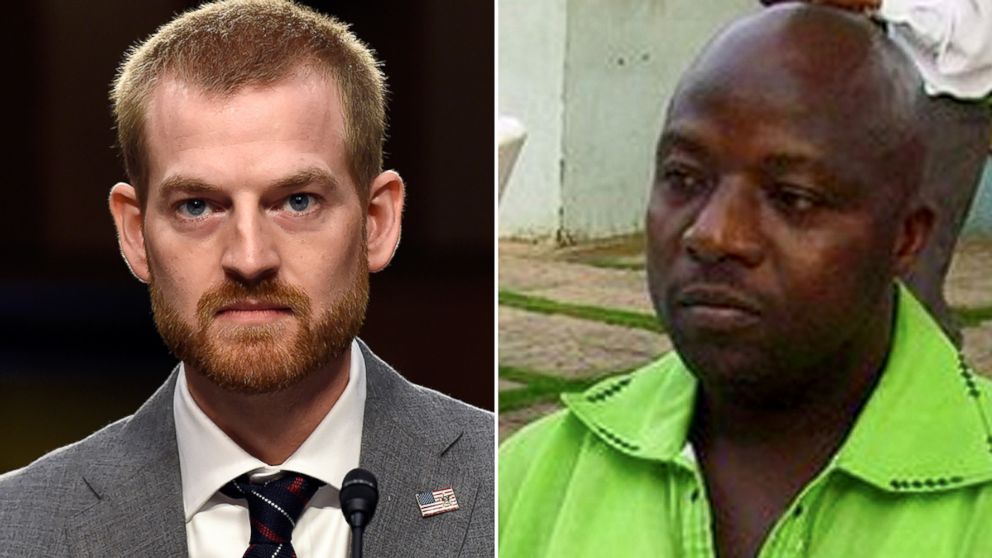
Why Dr. Kent Brantly Couldn't Donate Blood to Thomas Eric Duncan
2:30
Former Ebola Patient Dr. Kent Brantly Donates Blood to Help
AP Photo
ByDr. RICHARD BESSER and LANA ZAK
October 16, 2014, 2:11 AM

— -- Thomas Eric Duncan, the first person in the United States to be diagnosed with Ebola and who later died, didn't receive a blood transfusion from a physician who survived the virus because their blood types didn't match.

Dr. Kent Brantly told ABC News today that his blood type is A+, while Duncan's family has said his blood type was B+, making them incompatible for a transfusion of whole blood or plasma. Blood transfusions from someone who successfully battled the virus are believed to possibly be beneficial to Ebola patients.

Had Duncan received a blood transfusion from Brantly, it would have caused hemolysis - the breakdown of red blood cells - according to Dr. Christopher Stowell, director of Transfusion Medicine at Massachusetts General Hospital.

Related Articles

Why Blood Transfusions From Ebola Survivor Dr. Kent Brantly Could Help Patients

Related Articles

Timeline of the Deadly Virus in the US

Related Articles

Ebola World View: Who Has It and Where

Brantly was caring for sick Ebola patients with the aid group Samaritan's Purse in Monrovia, Liberia, when he became the first American diagnosed with Ebola in late July. He said he has since given blood plasma to Ashoka Mukpo, Dr. Richard Sacra and Nina Pham.

Brantly said he hasn't been asked to donate blood plasma to Amber Vinson, the second health worker who tested positive for the virus after treating Duncan.

Duncan died last Wednesday at a hospital in Dallas where he was being treated. According to Texas Health Presbyterian Hospital, where Duncan was being treated, Duncan did not receive any kind of blood transfusion because his blood type was not compatible with any of the donors.

Up Next in News—

Over 1 million Jeep Gladiator, Wrangler vehicles voluntarily recalled

June 10, 2026

Navy base employee critically injured in shark attack in Florida

June 10, 2026

Nick Reiner demands trust fund money to pay for his defense, court filing shows

June 9, 2026

Apple announces Siri AI and more at Tim Cook's last Worldwide Developers Conference

June 9, 2026

Shop GMA Favorites

ABC will receive a commission for purchases made through these links.

Sponsored Content by Taboola

The latest lifestyle and entertainment news and inspiration for how to live your best life - all from Good Morning America.
  • Contests
  • Terms of Use
  • Privacy Policy
  • Do Not Sell My Info
  • Children’s Online Privacy Policy
  • Advertise with us
  • Your US State Privacy Rights
  • Interest-Based Ads
  • About Nielsen Measurement
  • Press
  • Feedback
  • Shop FAQs
  • ABC News
  • ABC
  • All Videos
  • All Topics
  • Sitemap

© 2026 ABC News
  • Privacy Policy— 
  • Your US State Privacy Rights— 
  • Children's Online Privacy Policy— 
  • Interest-Based Ads— 
  • Terms of Use— 
  • Do Not Sell My Info— 
  • Contact Us— 

© 2026 ABC News