Effort to clean up ocean plastic to begin in 12 months, years ahead of schedule

— -- A Dutch foundation dedicated to removing plastic pollution from the world’s oceans announced a new system design today that will allow them to begin an ambitious cleanup plan in the next 12 months, two years ahead of schedule.
The Ocean Cleanup said today its new system features an anchor that does not attach to the ocean seabed, instead floating with the ocean currents. The anchor is deep enough to keep the system moving slower than the plastic that floats on the ocean's surface. The system can then catch plastic inside its barrier.
“As long as the system moves slower than the plastic, it will still collect the plastic,” said the 22-year-old head of the foundation, Boyan Slat, at a press conference accompanying the announcement today.
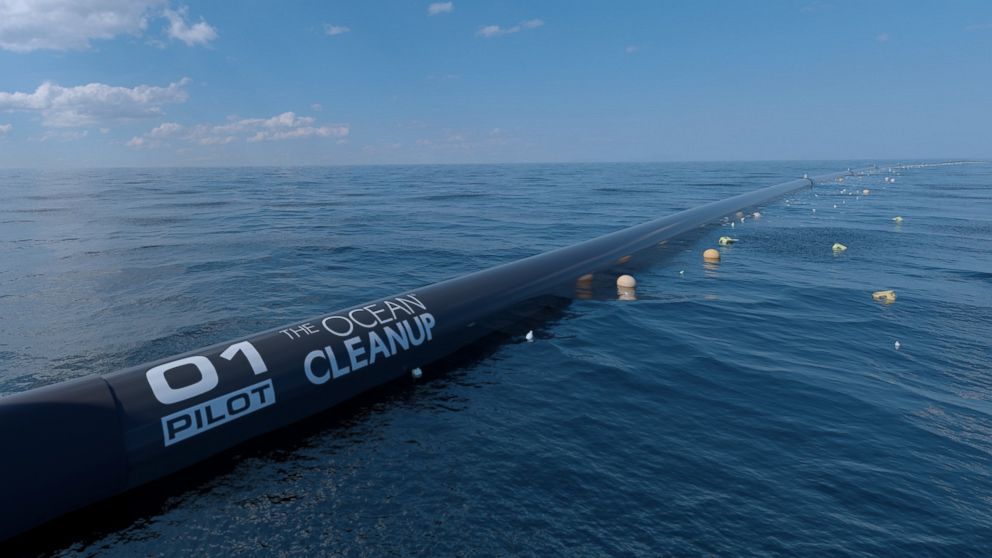
Slat went on to say that the new design allows the system to act like “plastic magnets” traveling in the current to the places in the ocean with the highest concentrations of plastic.
About 80 percent of marine debris originates as land-based trash, according to the Environmental Protection Agency. Plastic debris in particular presents physical and chemical hazards to marine life because it often gets mistaken for food by birds and fish, the EPA says.
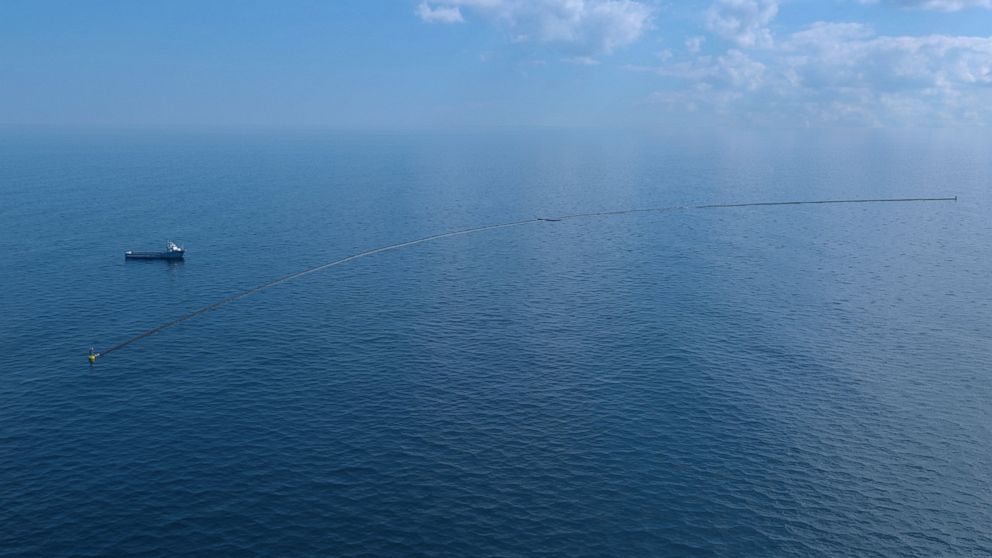
“To catch the plastic, act like the plastic,” Slat said. He hopes to have multiple systems working simultaneously in different parts of the Pacific ocean.
Slat estimates that if the plan is successful, they will be able to clean up 50 percent of the so-called Great Pacific Garbage Patch in five years. Scientists and environmental advocates have identified several so-called patches of marine debris floating in the world's oceans, but scientists caution that the term doesn't accurately describe the scope of the problem because much of the plastic in the oceans breaks down to small parts that are not easily visible.

Slat said the first element of the floating pipe is being made in California now and that the new design allows the organization to gradually scale up funding and increase financial viability.
Slat, who was inspired to help clean up the ocean after a SCUBA diving trip said, “We can do this, we must do this and we will do this.”