Elusive predator hunted to local extinction returns to its historical range

A species that was hunted to local extinction made a comeback on its historical range, scientists who witnessed the population recovery via satellite imagery said.
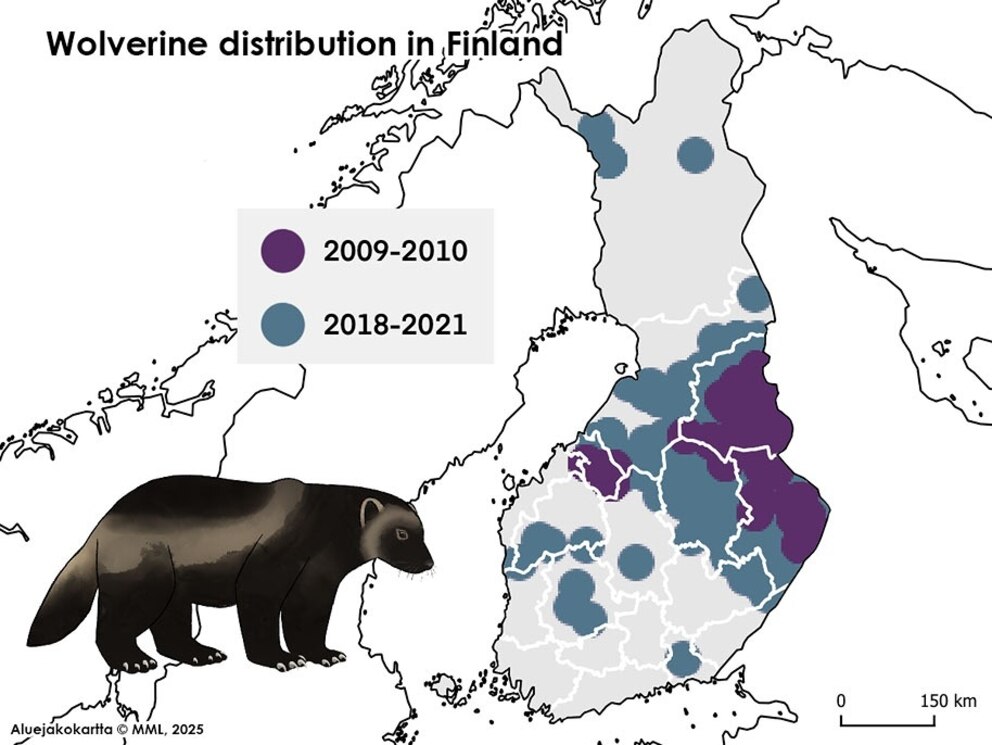
The wolverine, listed as endangered due to over-hunting in the 20th century, has returned to the forests of southern Finland, according to a paper published last month in Ecology and Evolution.
Wolverine populations are distributed throughout boreal regions in the northern hemisphere, including arctic and subarctic regions and western North America, the Wolverine Foundation noted.
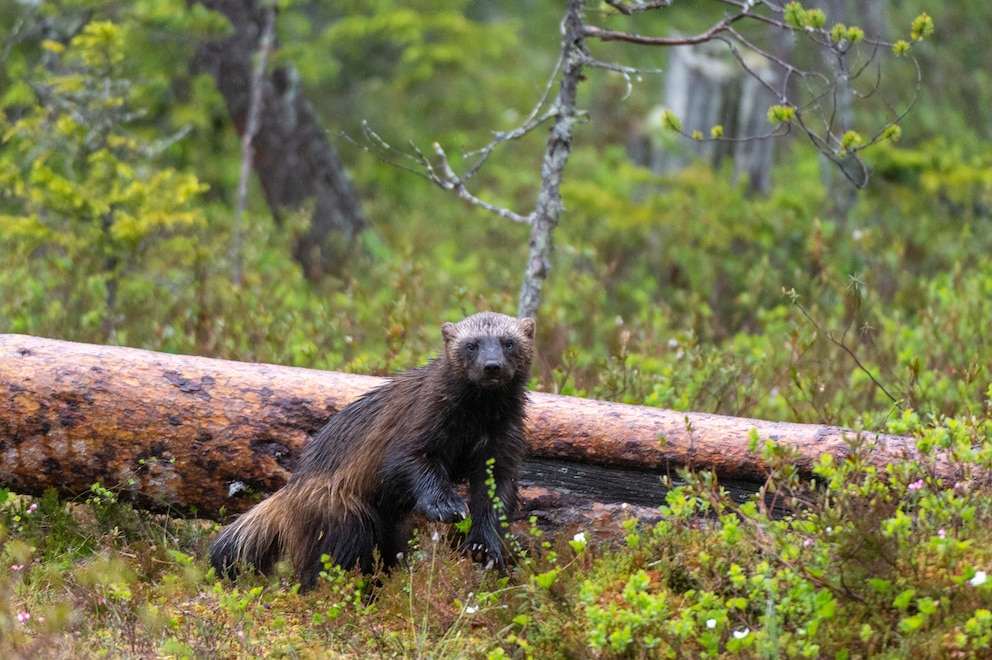
Historically, in Europe, they could be found as far south as Norway, southern Sweden and northeast Poland. Today, wolverines are only found in the northern parts of Norway, Sweden, Finland and Russia.
In Finland, the wolverine was classified as endangered in the 1980s. While they were known to have inhabited southern parts of the country as recently as the 19th century, hunting eradicated the species from the region, according to researchers at Aalto University in Espoo, Finland.
Scientists used remote sensing and field data to track the mammals, by combining snow track counts of wolverines with national forest inventory data based on satellite images and field measurements.
"Understanding habitats is essential for improving species conservation and management," Miina Rautiainen, a remote sensing expert at Aalto University and co-author of the paper, said in a statement.
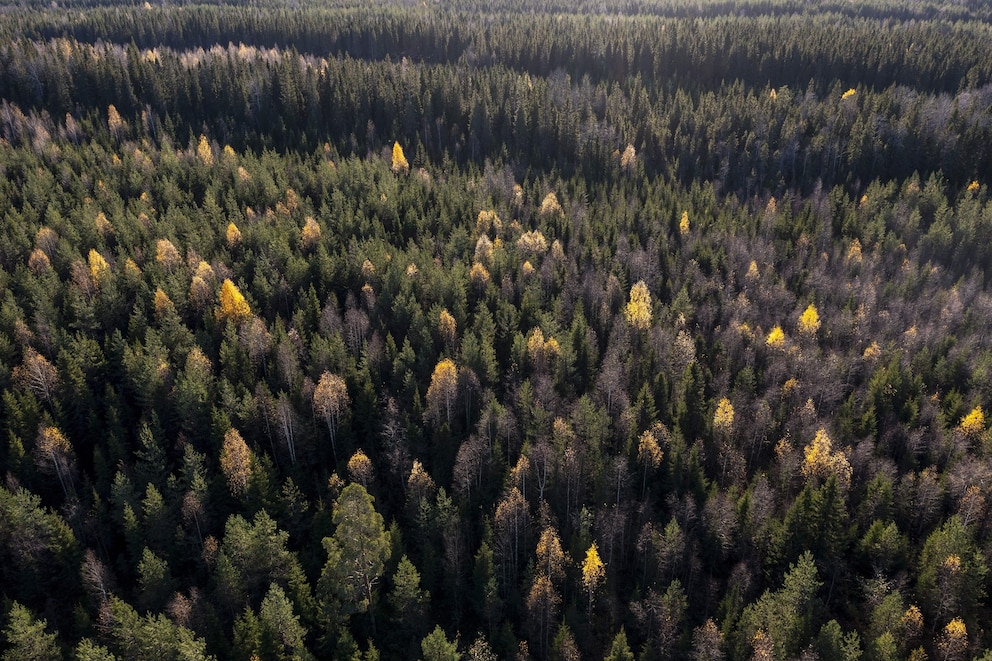
Remote sensing is "an excellent tool" for studying the distribution of animal species, according to Rautiainen. Satellite and aerial images can provide increasingly detailed information about how changes in forest landscapes affect wildlife.
Fragmentation of forests poses a particular threat for the wolverines, the researchers said. The elusive predator tends to favor large, forested areas with deciduous trees whose leaves fall off seasonally.
Wolverines were rarely observed near recent clear-cut trees, the researchers said. They were attracted to older felling sites -- around 10 years old.
In Finland, the average forest compartment is relatively small, which can lead to a patchwork-like fragmentation of forest landscapes, Pinja-Emilia Lämsä, a doctoral researcher at Aalto University and lead author of the paper, said in a statement.
The research shows that the deciduous-dominated mixed forests native to southern Finland may be more important habitats for wolverines than previously thought, according to Lämsä.
Previous studies focused on mountainous regions with vegetation dissimilar to the low-lying boreal forests of Finland, the researchers said.
Wolverine populations have recovered steadily in recent years, but the species remains endangered in Finland -- due to its small population size, low genetic viability and fragmented distribution, the researchers said.
In the U.S., the North American wolverine is protected as a threatened species under the Endangered Species Act.